
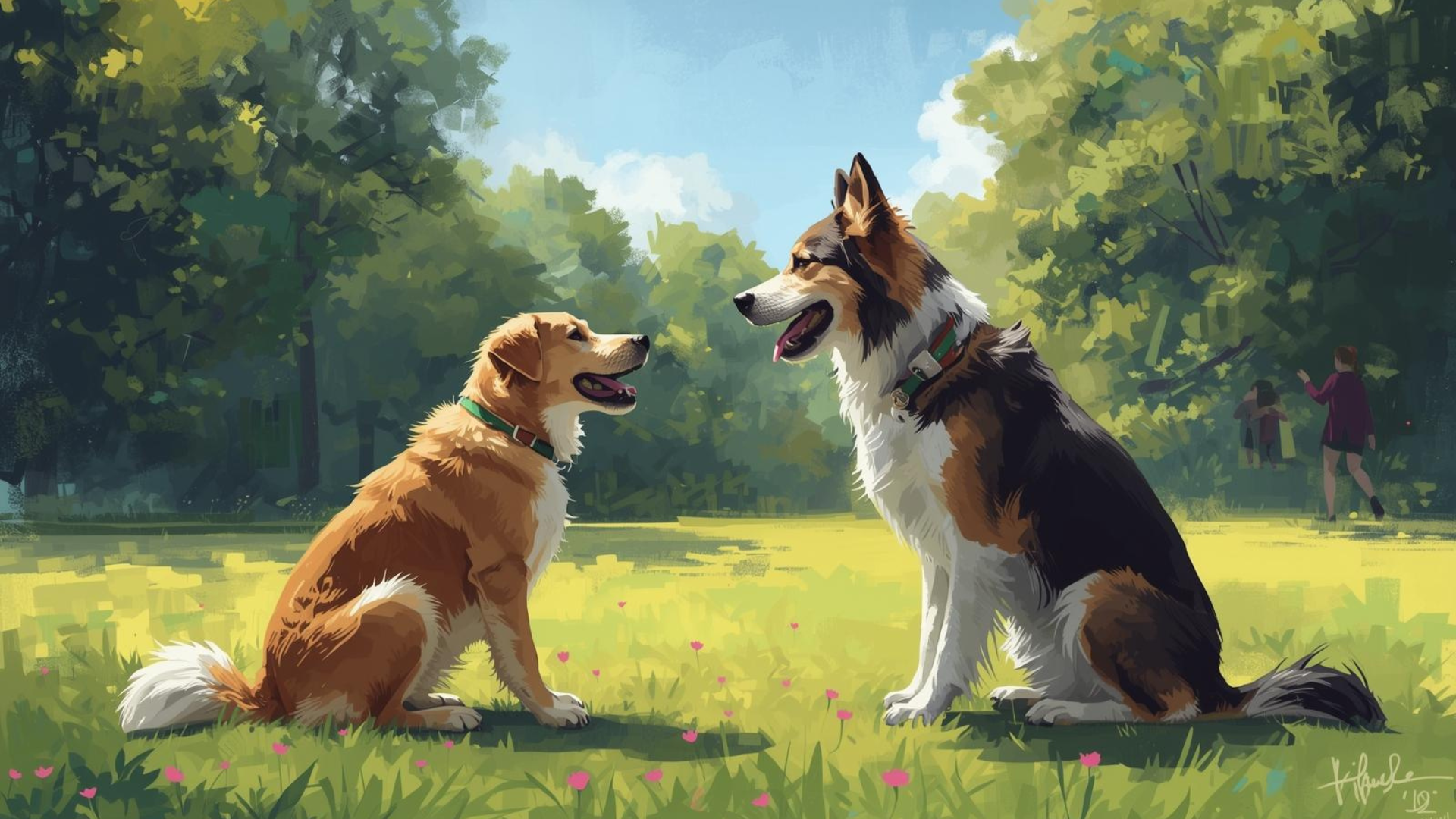
Dogs have lived alongside humans for thousands of years. During that time, they developed unique ways to communicate not only with other dogs but also with people. While dogs cannot speak human language, they use body language, sounds, facial expressions, and even scent signals to share their feelings and intentions.
Understanding how dogs communicate can help you build a stronger relationship with your pet. It also helps prevent misunderstandings and improves training. Below are 15 cool facts about how dogs communicate with humans and other dogs.
1. Dogs Use Their Tails to Express Emotions
One of the strongest tools of communication of the dog is its tail. Happiness does not necessarily mean tail wagging as most people believe.
There are several forms of tail movements, which may have different meanings. A fast wag is an expression of excitement or happiness, whereas a slow wag can be an expression of curiosity. When the tail is stiffened up and raised, the dog may be alert or threatened. A curled tail can be an indication of fear or submission. By observing tail position and speed, you can better understand what your dog is feeling.
2. Eye Contact Plays a Big Role
Dogs use a lot of eye contact. Trust and affection: when a dog gazes at you with the eyes unstrained, it is a sign of trust and love.
Yet, the long looking between dogs may indicate dominance or aggressiveness. This is the reason as to why some unfamiliar dogs do not make direct eye contact.
It has also been found that in instances where dogs look at their owners, they both release oxytocin, which is the same hormone that makes the parent- baby bond stronger.
3. Dogs Understand Human Gestures
Dogs are one of the few things that comprehend human gestures. Most dogs have the ability to be directed by pointing, hand gestures as well as facial expressions.
A dog can be easily made to turn or look in the direction you point to when it is a toy or a food bowl. This demonstrates high sensitivity to the human body language by dogs.
This capacity allows them to be trained with ease as compared to most other animals.
4. Barking Has Different Meanings
Dogs bark because there are many reasons and the information contained in the sound of the bark is significant most of the time.
A short, sharp bark may mean alert or warning. A continuous bark might signal excitement or a desire for attention. High-pitched barking can indicate fear or distress, while deeper barking often shows protective behavior.
It is possible to learn the tone and rhythm of the dog bark to interpret what it wants to say.
5. Dogs Use Their Ears to Show Feelings
Another key tool of communication of a dog is its ears. Their position can reveal how a dog feels in a particular moment.
Ears forwarding in most cases denote interest or vigilance. Ears that are flattened could indicate fear, anxiety or submission. Ears that are relaxed usually indicate that the dog is relaxed.
The ear shape differs in breeds and so you need to notice the normal ear position of your dog to be able to detect any changes.
6. Facial Expressions Tell a Story
Dogs are actually very expressive. Their faces may tell happiness, stress, fear or excitement.
For Example, a dog is likely to be calm with a relaxed mouth and slightly open jaw. Lip licking can be a sign of nervousness. When growling with teeth, it is usually a warning.
Other dogs even lift their eyebrows or make their eyes bigger when they are speaking to people.
7. Dogs Communicate Through Body Posture
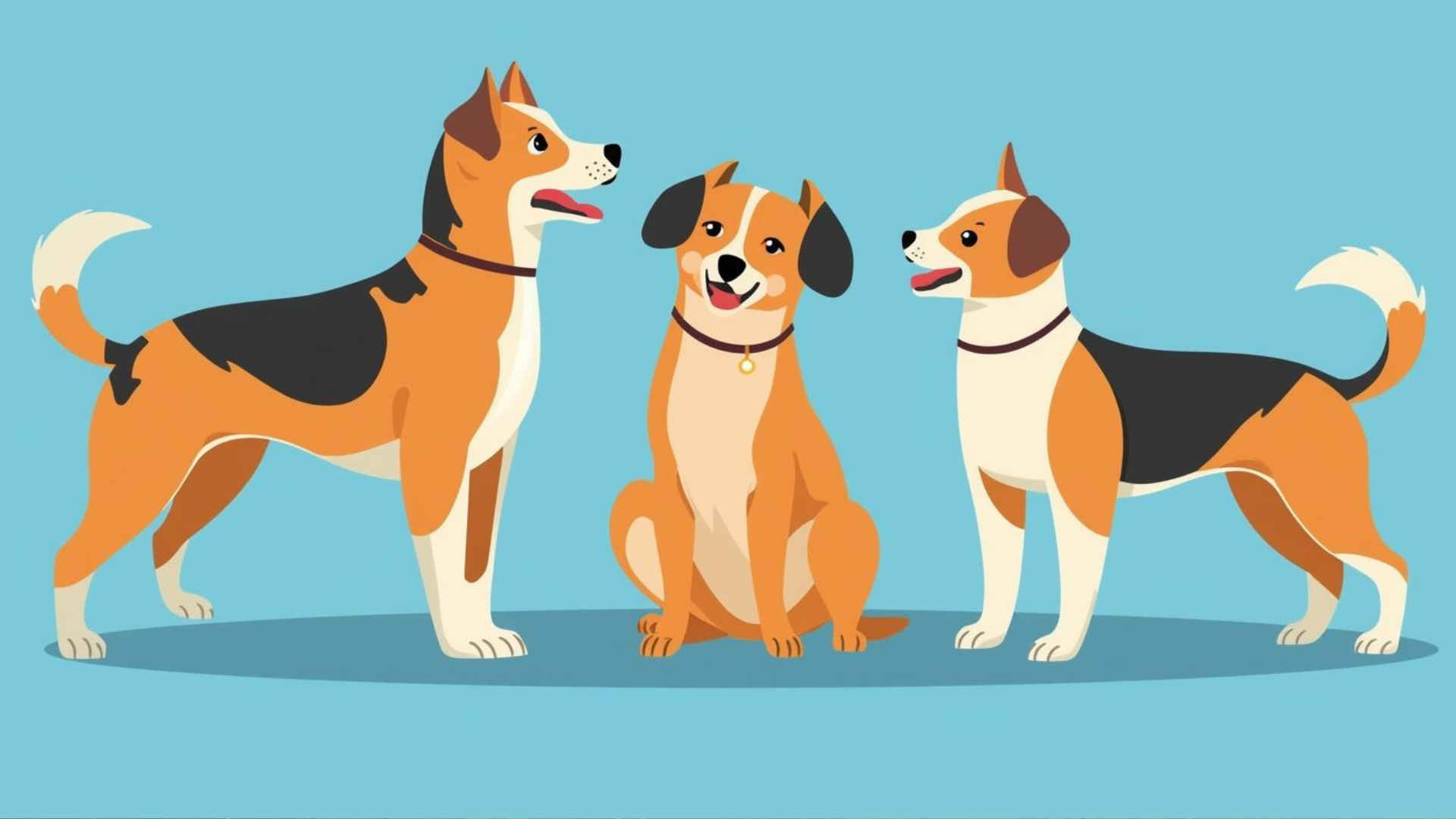
Dogs communicate through body posture, which is one of the most evident methods of communication.
A confident dog may stand tall with its chest forward and tail raised. A fearful dog might crouch low with its tail tucked between its legs. Rolling onto the back often shows submission or trust.
Dogs meet and they instantly interpret the posture of each other in order to determine whether the encounter is friendly or not.
8. Play Bows Invite Fun
The play bow is one of the most adorable types of dog communication. This occurs when a dog curches the front legs and holds back the rear.
The play bow simply represents a call to play. It informs other dogs that the actions that follow such as chasing or jumping are supposed to be fun as opposed to aggressive.
This is also a signal used by many dogs when they are playing with their owners.
9. Growling Is Not Always Aggressive
People assume that growling is an aggression behavior, and it is not necessarily the case.
Dogs are able to growl when they are threatened, yet they can also growl during a play. Growls of playfulness are usually fruitless and are accompanied by nonchalant body language.
Another vital warning is growling. A dog should not be punished because it growls but the situation that is making the dog behave in that way should be known.
10. Dogs Use Scent to Communicate
Dogs are very dependent on smell. Indeed, scent communication is among the primary methods through which dogs communicate.
In sniffing, dogs acquire a lot of information when they sniff each other. They are able to identify the age, sex, health status and emotional state.
Scent communication is also done by marking territory with urine. It enables dogs to leave messages to other dogs in the neighborhood.
11. Whining Shows Emotional Needs
Whining is a gentler sound that is used by the dogs as an expression of emotions. Dogs can whine when they are anxious, excited, or they require attention.
Puppies usually whine to tell their mothers that they are okay. Whining may be used by adult dogs to indicate discomfort, hunger, or loneliness.
Listening to context will enable you to know what your dog is attempting to convey.
12. Dogs Can Learn Human Words
The number of human words that many dogs can learn is dozens or even hundreds. They identify some sounds and relate them to things or activities.
Such words as walk, treat and sit soon become meaningful to them. There are also some well-trained dogs that can name certain toys.
This capability demonstrates the flexibility of dogs when interacting with people.
13. Licking Is a Form of Communication
Dogs tend to lick one another or other people as a way of communication. Such behavior may be taken in a number of senses.
Licking can be a sign of affection, respect, interest. Puppies lick their mothers on their faces to demand food, and adult dogs can also lick their owners in order to be reassured.
Sometimes dogs lick simply because they enjoy the taste of salty skin.
14. Yawning Can Signal Stress
Yawning in dogs does not necessarily deal with being sleepy. It is in most cases a soothing signal.
Dogs can also yawn when they are stressed or uncomfortable or confused. They also yawn in order to relax in stressful circumstances.
For example, a dog might yawn when meeting a new dog or when being scolded.
15. Dogs Mirror Human Emotions
Dogs are highly sensitive to the feelings of human beings. They are able to interpret facial expressions, tone of voice and body language.
When you are cheerful and vibrant, there are high chances that your dog will be excited as well. Your dog is likely to get anxious in case you are stressed or angry.
Dogs can be therapy and emotional support animals due to this emotional awareness.
Understanding Your Dog Better
Dogs have an incredible system of communication that combines body language, sounds, facial expressions, and scent signals. By observing these signals, humans can better understand what dogs are feeling and what they need. Learning how dogs communicate not only strengthens the bond between pets and their owners but also helps prevent behavioral problems. When you recognize the meaning behind a wagging tail, a certain bark, or a simple yawn, it becomes easier to respond to your dog in the right way.
The more attention you pay to your dog’s signals, the stronger your connection will become. Dogs may not use human words, but they are constantly communicating through their actions and behaviors. Once you start noticing these signals, you will realize just how much your dog is trying to tell you every day.








Leave a Comment