
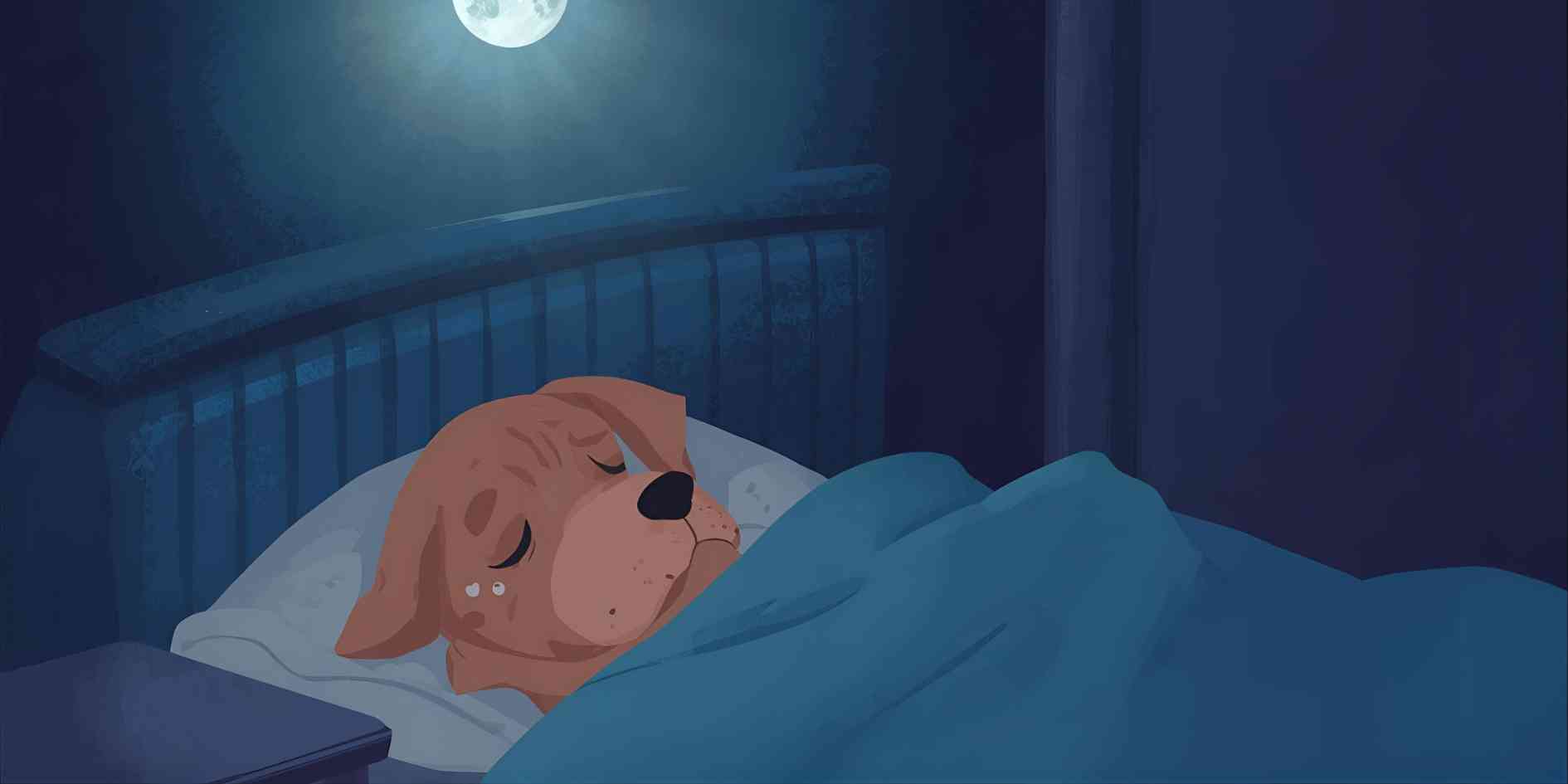
If you’ve ever heard your dog quietly whimpering or even crying in their sleep, you might have asked yourself: “Why is this happening?” It’s a common question among dog owners, for whom dogs are truly part of the family. The answers aren’t always simple, but understanding a few key points about your dog’s sleep, emotions, health, and routine can really help put your mind at ease — or alert you to something requiring veterinary attention.
In this article we'll explore:
- How dog sleep works.
- The most frequently used reasons why dogs whimper or cry during sleep.
- When such behavior is normal and when it is a red flag.
- Things that you can do to get your dog to sleep better.
Let's dive in.
Understanding How Dogs Sleep
Before we get to the causes of why your dog might cry when sleeping, it is a good idea to have some understanding about how dogs sleep – since it is not the same as how humans sleep.
Sleep Stages in Dogs
Dogs just like humans experience various phases of sleep, which include light sleep, deep sleep and a sleep process known as REM (Rapid Eye Movement) sleep. The brain is active during the REM sleep and in human beings this is the place where vivid dreams usually occur. Dogs have a similar pattern.
When in REM, you will find the twitching of the paws of the dogs, movement of the eyes with closed eyelids, or little sounds all indications that the dogs are dreaming.
Dogs Dream Too
Studies indicate that dogs actually dream – what they are exposed to during their awake life: playing fetch, chasing toys or communicating with you or other dogs. When the dreams are good then they may produce small happy sounds and when something in the dream is bad or disturbing then they may cause whimpering or crying.
Age and Breed Matter
Puppies and elderly dogs might not sleep as adult middle-aged dogs. This is due to the fact that puppies spend more time in deep sleep and REM as their brain is developing. The elderly might experience sleep disturbance, pain, or mental alteration that influences their sleep. In addition, small breeds of dogs go through REM and non-REM cycles more often than large breeds.
Common Reasons Dogs Cry or Whimper in Their Sleep
The most common causes of the noises that you may hear your dog making when it is asleep are listed below, most of them are not something to worry about, though a few are worth mentioning.
Dreaming and Emotional Processing
The dreaming stage triggers the emotional processing stage which symbolically interprets the dream and organizes it in a given way.
Dreaming is simply one of the greatest reasons. In a REM sleep a dog may re-experience an enjoyable moment (chasing a ball) or a painful one (a loud noise startles him/her). The feeling of the dream can be in the form of whimpering, crying, whining, and even barking.
Since the emotional processing occurs when one sleeps, a dog may bark more when they had a very stimulating or stressful day as they attempt to figure out the experience.
Physical Discomfort or Pain
There are other times when it is not only dreams that are involved- even physical pain may present itself in sleep. When the dog moves around, groans, whimpers, or cries, it may be due to pain caused by arthritis, hip dysplasia, injury, digestive disturbances or other health complications.
For example, an elderly dog can experience joint pain during changes in sleeping positions and that could lead to a muffled cry when sleeping. One should also pay attention to any discomfort signs in the time of waking up as well.
Stress, Anxiety & Trauma
Physical sensations are not the only ones that dogs store, and their emotional experiences are important. An anxious, fearful, or traumatized (e.g. rescue dogs) dog is more likely to vocalize during sleep. This can be nightmares, stressful events that were not resolved or feelings of insecurity.
For example, a dog that is sensitive to noises such as thunder or fireworks may dream of those phenomena and show its distress by whimpering.
Environmental/ Routine Factors
The environment is not the only factor that determines the quality of sleep; the brain and the body also make a significant contribution.
Some factors include:
Noise or abrupt disturbances: A loud bang or movement may startle a dog even during sleep and he/she will whine in surprise.
Temperature or comfort: When the room is either too hot or cold or the bed is not comfortable, your dog might change positions and make noises.
Boredom in the day time: A dog that was not exercised or challenged mentally may sleep without rest and display a lot of vocalizations.
Feeding time or digestive problems: There are dogs that are fed late or have problems with the tummy which may make them feel uncomfortable when sleeping, and thus, they end up whimpering.
Cognitive Changes with Age
Dementia like syndrome in older dogs is Canine Cognitive Dysfunction Syndrome (CDS). This may influence the sleeping patterns, confusion, anxiety and vocalization in sleep.
When your old dog starts crying during his sleep more often, it is a warning that needs to be addressed with your vet.
When Is It Normal vs. When to Worry?
The difference between a healthy and unhappy dog lies in the distinction between the times when whimpering in sleep is alright and when it is a warning sign.
What's Generally Normal
- The occasional whimpering or the gentle crying in the sleep, particularly after a day full of stimulation is generally normal.
- Shivering of paws, minor forms of coughing, faint whines or gentle cries up to a few seconds.
- Whimpering of puppy or young dog to suit sleeping or new environment.
- Dogs dreaming about their daily life (playing, running), and speaking about it.
What May Require Attention
You need to check or see your vet in case you notice:
- Extensive crying or howling in sleep.
- Symptoms of pain during the day pain when walking, stiffness of the joints, unwilling to move.
- Alteration of sleep pattern along with other symptoms such as disorientation, lack of appetite, vomiting, or drooling.
- Vocalizations during sleep with convulsions or uncontrolled movements (can be an indication of seizure activity).
- The development of sleep-crying in a dog that did not have it before.
- Change or trauma in the environment that may be the cause of stress every night.
Shortly: There is nothing wrong with crying every now and then; crying continuously, loudly, and distressingly can be an indication of something serious.
How You Can Help Your Dog Sleep More Peacefully

A number of activities that you can engage in at home can help your dog to have a healthy sleep life and minimize crying or whimpering during the sleeping hours.
Provide a Comfortable Sleep Environment
- Ensure there is a peaceful, undisturbed environment to sleep with no distraction of loud noises in the house.
- Have a good bed or mattress- one that will support the body of your dog, particularly when he or she is old or has joint problems.
- Maintain a comfortable temperature (not too hot or too cold) in the room, with no drafts.
- Use something that is familiar such as a favorite toy or blanket as a reassurance.
Maintain a Good Daytime Routine
- Ensure that your dog receives sufficient exercise on a daily basis (walks, play time) to ensure that the body is prepared to have a good sleep.
- Stimulate the mind–puzzle toys, training games or socialization. This will assist in calming the mind and thus it will not tend to think of the anxious thoughts during sleep.
- Eat at the same, constant time and do not eat heavy meals very late in the night and that can disrupt one.
Address Emotional or Anxiety Issues
In case your dog is anxious (separation anxiety, constant fear, or reactive), with the help of a trainer or a behaviorist, you can make sure that your dog does not experience stress throughout the day. Dream based vocalization can be decreased through reduction of emotional load.
Gentle comfort: When your dog whimpers when sleeping, and you feel that it is a simple dream or a little discomfort, you can call its name softly or utter some words of comfort without necessarily waking them. Avoid startling them awake. Waking a dog up in the middle of the REM will confuse or even scare the dog.
Monitor Physical Health
In older dogs or dogs having problems with their joints, make sure to visit the vet regularly to check their arthritis, hip or elbow dysplasia, dental, and other pains. In case you think that the vocalizations are associated with pain, request your vet to recommend some pain reliever or a change in lifestyle (ex: orthopaedic bed, weight management).
Monitor diet and digestion; the stomach may be sore and bloated, leading to disturbed sleep and whimpering.
Use Bedtime Rituals
- Establish a soothing pre-sleep ritual a brisk stroll, a little snuggle time or a little quiet time to get your dog to relax.
- Do not engage in too much stimulating activities (e.g. rough play or loud TV) just before bed this has been proven to stimulate dreams.
- You can think of a night light in case your dog wakes up frequently, or some background music that will help to cover the sudden sounds.









Leave a Comment