
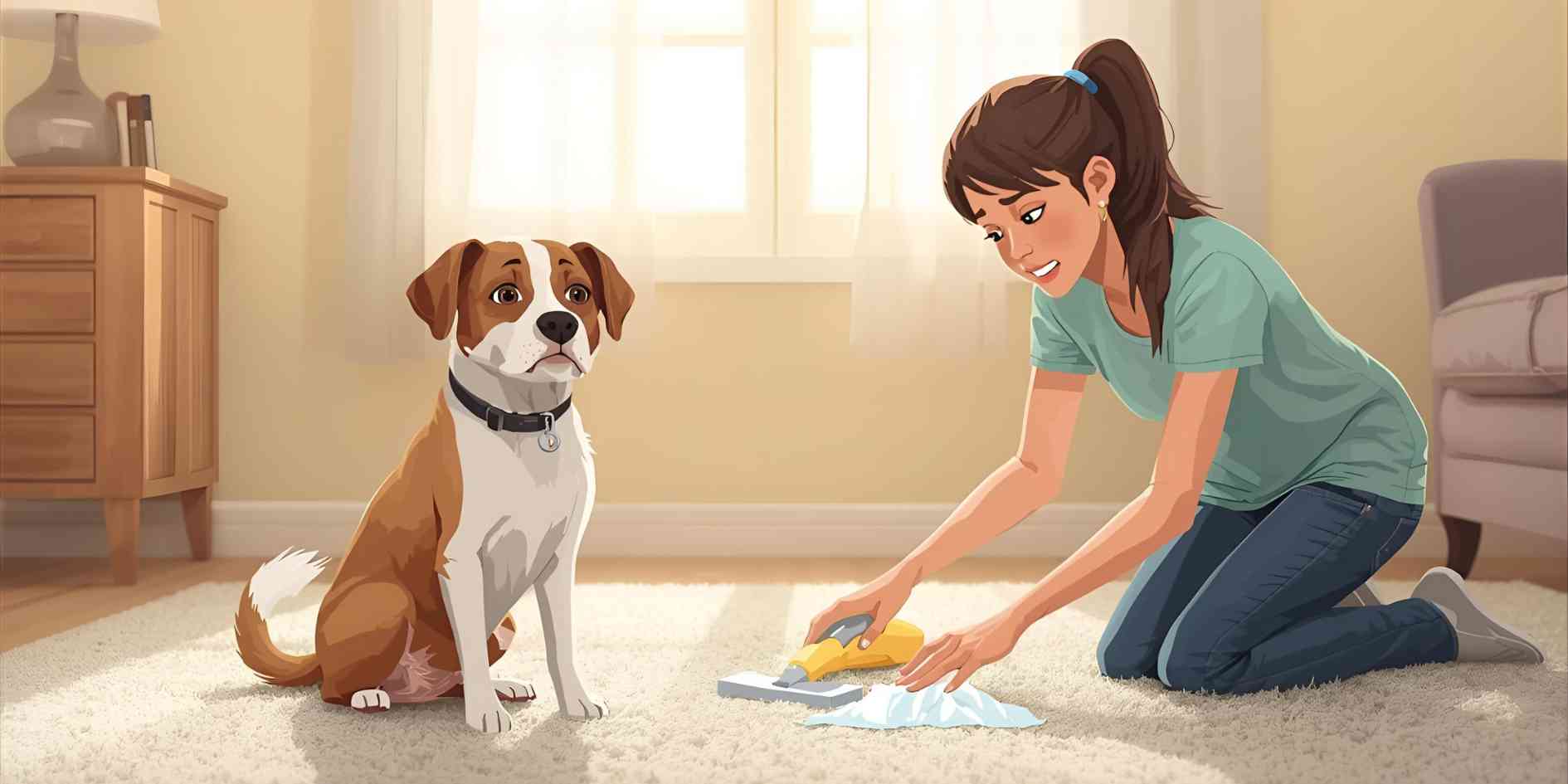
Owning a dog is a blessing, they are good companions, loving, and family members. But you find that when your pet dog starts to urinate on the carpet that happiness can soon become frustrating. Carpet stains and Odors are not only unpleasant but also may end up causing the damage to your flooring in the long-term. The positive thing is that you can break the habit of your dog that you do not like by being patient and consistent and using the right strategies.
We will discuss the reasons why dogs urinate on the carpet and explain the best techniques to use to rectify it in this detailed guide. This step-by-step method will make you achieve peace (and cleanliness) in your household whether you have a new puppy, a recently adopted dog or an older pet that has acquired new habits.
Understanding Why Dogs Pee on the Carpet
You must first ask yourself why your dog is peeing indoors before you take action to resolve the issue. Dogs do not do it out of vengeance, they have certain reasons, and the identification of the root cause is the key to the long-term success.
Medical Issues
In some cases, indoor urination is not associated with a behavioral issue, but with some health issues. Dogs with urinary tract infections (UTIs), bladder stones, diabetes or kidney disease may also have difficulty controlling their bladder. These problems may lead to frequent urination, discomfort or accidents among the house-trained dogs.
When your dog starts to pee on the carpet, or has other symptoms that are worrisome to you, e.g. excessive thirst, changes in appetite, lethargy or laboured urinating, make an appointment with your veterinarian as soon as possible. A momentary examination can exclude or cure underlying medical issues. After ensuring that the dog is healthy, then you can be assured to invest time in training the dog to behave as you wish.
Incomplete House Training
Complete house training is also another frequent cause of dogs urinating indoors. Naturally, puppies require time and practice to get the correct bathroom behaviour, but adult dogs might require a reminder, too–particularly those who have just been adopted in shelfs or they have been with their former owners who did not practice their bathroom behaviour.
Someone would think that a dog should have known better, but house training is based on routine, reinforcement, and patience. As long as your dog does not actually know which places it should be in and which it should avoid, accidents are inevitable.
Territorial Marking
Dogs have a natural instinct of marking their territories. This tendency is prevalent in case of some changes in the house: new pets, new visitors, even new furniture. When your dog urinates on certain areas, it is marking its territory that it belongs to or to show any form of competition.
This behaviour is more common among the male dogs, especially when they are not neutered although females may also mark. Marking is usually characterized by small quantities of urine upon vertical surfaces and not big wet spots on the floor.
Anxiety and Stress
Dogs just like humans are capable of being stressed and anxious and this affects their behaviour. Routine alteration, new surroundings, loud sounds or long periods of loneliness are some of the factors that may bring about the emotional distress. Some dogs pee inside the house when scared to calm themselves down or express that something is wrong.
When the accidents are preceded by stressful situations in your dog such as you leaving to work, change of residence or the introduction of a new pet, chances are that anxiety is one of the factors that have been triggered.
How to Stop Your Dog from Peeing on the Carpet
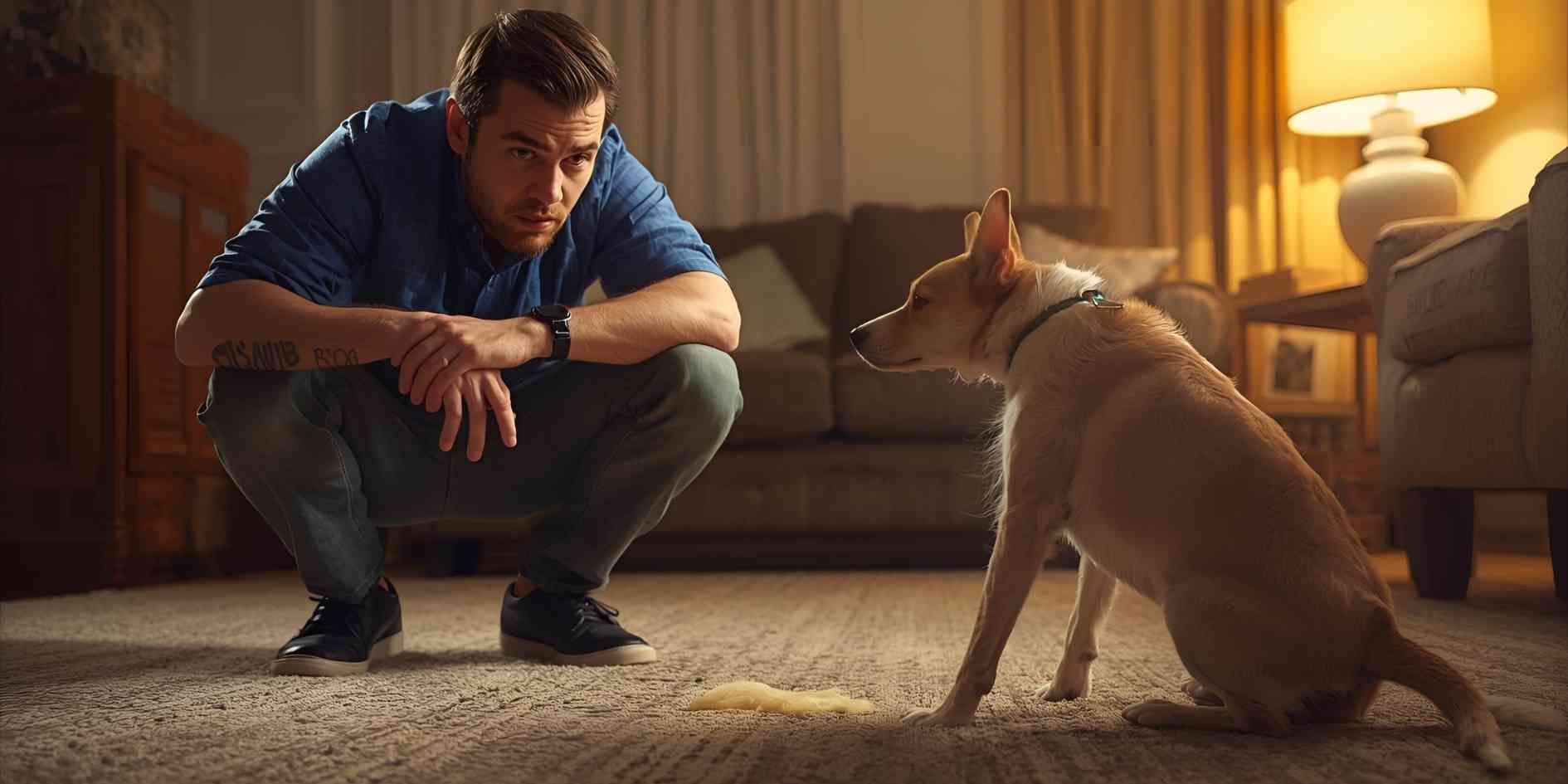
After realizing the reason behind it, then you can start correcting the behaviour in a patient and systematic manner. The following are effective measures that can make your dog learn not to pee on your carpets ever again.
Visit the Veterinarian
The initial thing to do is to have a medical check-up. Eliminate health issues prior to behavioral training. Infections or metabolic conditions could be causing the problem and these could be shown by just a simple urinalysis or blood test. When your dog is confirmed to be healthy by your vet, then you can proceed with confidence that, it is not a medical problem but a behavioral issue.
Reinforce House Training
Even adult dogs can be refresher trained on house training. Consider it as a gradual, organised beginning.
Establish a Routine
Dogs survive on predictability. Establish a regular routine of meals, walks and bathroom restroom.
Preferably, walk your dog:
- First thing in the morning
- After meals
- After naps or play sessions
- Before bedtime.
Having a good schedule can assist in controlling their bladder and strengthening the time and place of urination.
Use Positive Reinforcement
Reward your dog whenever you see him or her urinate in the right spot. Immediately after going, praise, treats or playtime. Timing is the key–your dog must learn to be rewarded by going outside.
Watch for Signals
Watch signs that your dog is required to go, sniffing, circling, whining, or pacing at the door. As soon as you notice such signs, remove them out. This will eventually create a good communication pattern between you and your dog.
Clean Accidents Properly
Dogs are habitual animals and they are attracted back to places that have a urine smell. A slight Odor is enough to inform them that the carpet is a good bathroom place.
Use Enzymatic Cleaners
The common house cleaners tend to cover the smells but not eliminate the smell. Enzymatic cleaners, which can be found in the pet stores, disperse the urine molecules completely, which not only removes the smell, but also the urge to re-mark by your dog.
Do not use Ammonia-Based Products
Ammonia has the smell of urine, and this may trick your dog and make him urinate even more.
Deep Clean if Needed
In case your carpet has dirtied up on several occasions, you might be required to do deep washing of the carpet or change of padding beneath it. Even following the cleaning of the surfaces, lingering Odors may be present.
Limit Access to Carpets
- It is prudent to limit a dog access to carpeted floors until it starts to behave better.
- Close with baby gates or closed doors.
- Crate training may be useful when left unattended- most dogs do not like to soil their sleeping area.
- The crate should always be comfortable and of the right size.
You are also predisposing your dog to success by avoiding temptation, and also promoting habitual behaviour.
Use Dog Repellents
Dog deterrent sprays that are available commercially or homemade can deter your dog to urinate in certain places. These sprays normally carry natural fragrances that dogs dislike like citrus, vinegar or even essential oils like eucalyptus.
Test any product first on a small and hidden part of your carpet before applying it to make sure that it will not stain or ruin fibres. Apply frequently, particularly following cleaning accidents.
Address Anxiety or Stress
In case the behaviour of your dog is caused by anxiety, it is crucial to deal with emotional stimuli.
Increase Exercise
Sports are useful to reduce stress and surplus energy. An active dog is more relaxed and will not get into accidents.
Provide Comfort
Create a safe environment to your dog. When you are away, leave things that you are used to like a favourite blanket, toy or your clothes.
Use Calming Aids
Anxious dogs can be made to calm down with the help of products such as pheromone diffusers, calming collars, or supplements. Supplements should always be introduced by consulting your vet.
Professional Training
In extreme cases of anxiety or behavioral difficulties, a qualified dog behaviourist can make up an individualized program through desensitization and positive reinforcement.
Consider Spaying or Neutering
In case your dog is marking territory, spaying or neutering can usually be used to reduce or eliminate the behaviour. To a great extent, hormones are involved in territorial marking, particularly in males. Talk to your veterinarian about the timing and the benefits.
Training Tips to Prevent Future Accidents
The following are some other strategies that can help in making your training endeavours more effective and lasting:
Use a Potty Command
Learn some phrase such as Go potty or do your business with your dog. Use it regularly in the bathrooms outside. At last, they will relate the phrase with the action so that they can be easily cued even in new settings.
Gradually Increase Freedom
In case your dog has been confined to some rooms, it should be introduced gradually. A gradual introduction of short visits to the carpeted areas with supervision should be introduced first, and only when they remain accident-free, their freedom should be increased.
Control Diet and Bathroom Schedule
When you feed your dog at regular intervals, it becomes easy to know when he or she would need to go to the toilet. Reduce the amount of water intake prior to sleep and empty them out once more before going to sleep.
Leave a Comment