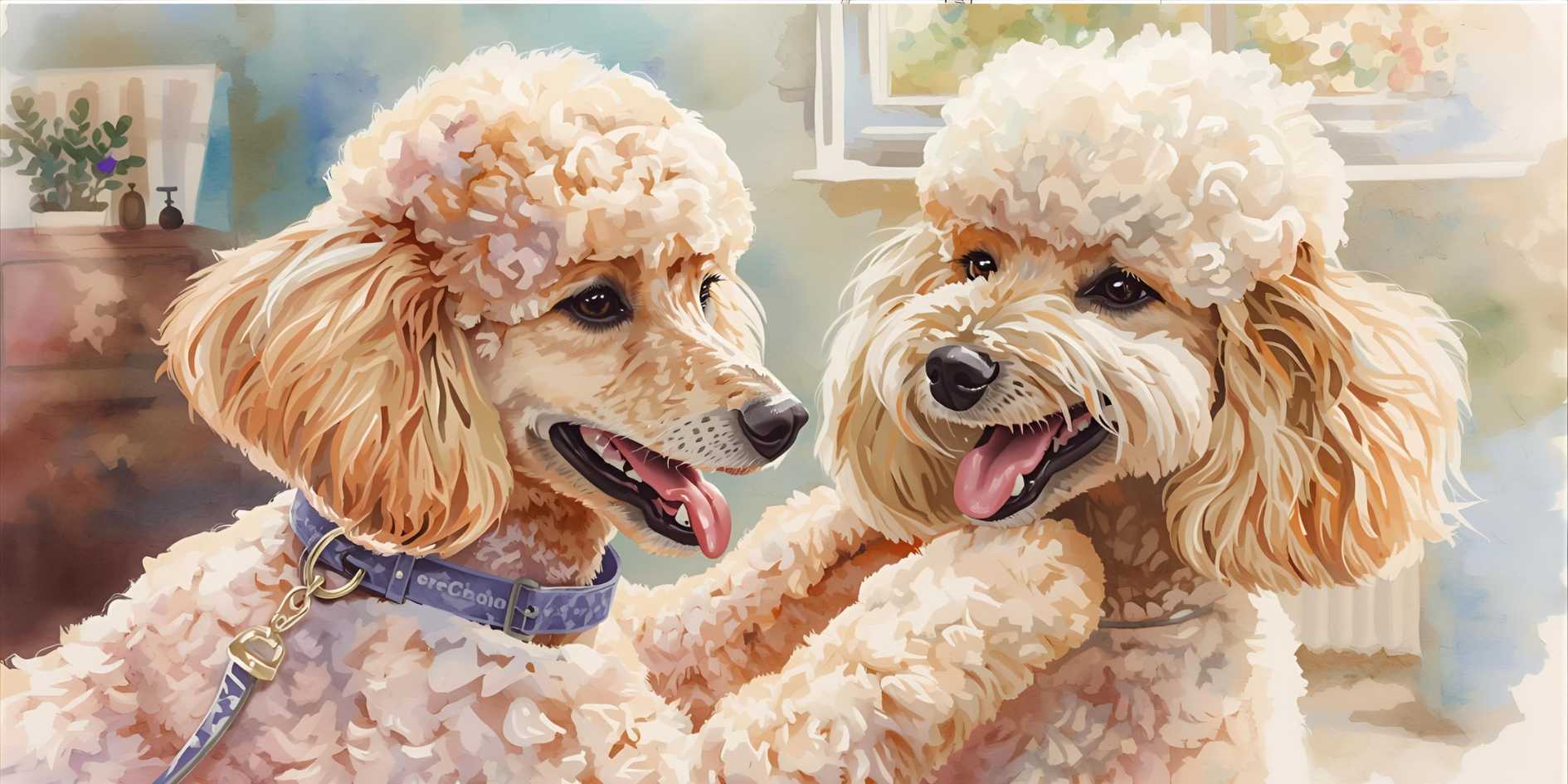
Communication in dogs is done in numerous forms such as through barking, shaking their tails, body language, and grooming one another. When you have ever seen a dog lick his ears, face, or body softly, you might have been wondering what it is all about. Why do dogs groom each other? Is it just on hygienic grounds, or is there more at stake?
We shall discuss the causes of this curious action, its significance in the language of dogs, and when it may foreshadow something connected with health, in this general treatise.
What Is Grooming in Dogs?
To get down to the reasons of the behavior, it is good to know what grooming entails to dogs.
Grooming usually involves:
- Licking (the most common type).
- Sucking with front teeth.
- Washing such parts as ears, eyes, or paws.
- Nuzzling or sniffing.
- Wound licked every now and then.
Whereas dogs groom themselves by instinct, social grooming, grooming by one dog to another, is more emotionally and socially meaningful.
Top Reasons Dogs Groom Each Other
Grooming Strengthens Social Bonds
Among the most significant motives that make dogs groom each other is to enhance social bonds. Such a behavior is founded on pack instincts. Wolves and wild dogs in the wild groom each other in order to bring harmony and strengthen unity within the group.
A Sign of Trust and Affection
A dog which has given another dog a chance to lick its face, ears or neck is showing its trust. These are weak points and grooming each other makes one develop a feeling of security and friendship.
Reinforcing Pack Hierarchy
This behavior can also help maintain social order:
- Subordinate dogs can be groomed by higher-ranking peers.
- Nevertheless, it is not always one-sided in grooming as it can be mutual.
To pet dogs, grooming can be simply an expression that states, You’re my family.
Dogs Groom Each Other to Communicate
Dogs do not speak; they just communicate all the time using body language and behavior.
One of their methods of communicating messages includes grooming which includes:
- Friendliness
- Affection
- Submission
- Calmness
- Reassurance
A Way to Reduce Tension
When two dogs are anxious, grooming will relax them. A dog can lick another dog when there has been a loud noise, during transportation, and after a vigorous play. It acts like a calming signal.
Apologizing or Making Peace
In a multi-dog household, you can find one dog licking another dog following a dispute. It is a gesture of peace, which means the need to reestablish harmony.
Grooming Helps Keep Each Other Clean
Dogs do not care as much about hygiene as cats but grooming is still involved.
Hard-to-Reach Areas
When dogs groom each other, they often focus on areas that are difficult to reach themselves:
- Ears
- Neck
- Face
- Upper back
This can help remove:
- Dirt
- Debris
- Eye discharge
- Dried food
- Loose fur
Ear Cleaning
Dogs tend to lick the ears of another dog especially the inside as the smell is very strong. This can be used to clean the ear but too much licking can irritate the ear hence the owners need to observe this behavior.
Grooming as a Stress-Relief Mechanism
Dogs are as much comforted by grooming as human beings are by being touched.
Releases Feel-Good Hormones
Dogs groom one another and this causes the hormone oxytocin- the bonding hormone to release. This assists the two dogs to be relaxed and emotionally attached.
Used by Mother Dogs
Mothers groom their puppies since they are born. They relate licking to warmth, safety and comfort. They replicate this behavior with other dogs as adults when they are stressed or even emotional.
Grooming Can Be a Social Learning Behavior
Older dogs are observed and learn by the puppies. Puppies might mimic the action of one of the dogs in the house who loves grooming other dogs. It is an inherent kind of social learning inherited by generations.
Puppies Groom for Comfort
Young dogs are allowed to groom older dogs when they desire:
- Attention
- Reassurance
- Playtime
- It is a kind of saying, I like you–interact.
Grooming Can Be a Caregiving Behavior
Dogs also groom one another in order to take care of a member of the pack who may be:
- Sick
- Injured
- Elderly
- Anxious
- Tired
This caregiving instinct is deeply ingrained in pack animals.
Licking Wounds
Even though this is normal, it may be dangerous. Dog saliva has enzymes which might be beneficial in cleaning small wounds however excessive licking can irritate or infect the part. The owners are expected to intervene in the case where one dog continually licks the wound of another.
Grooming May Signal Submission or Respect
At times, grooming may be a submissive act. A dog can also lick the face or mouth of a stronger dog to respect it. This is a behavior that is inherited through wolves where the lower ranking members of the pack groom the leaders to indicate that they are not aggressive.
How to Recognize Submission Grooming
A submissive dog may:
- Lower its head
- Lick up to the superior dog
- Avoid direct eye contact
- Keep its body relaxed and low.
This is natural and it ensures harmonious relationships in a multi-dog family.
When Grooming Might Indicate a Problem
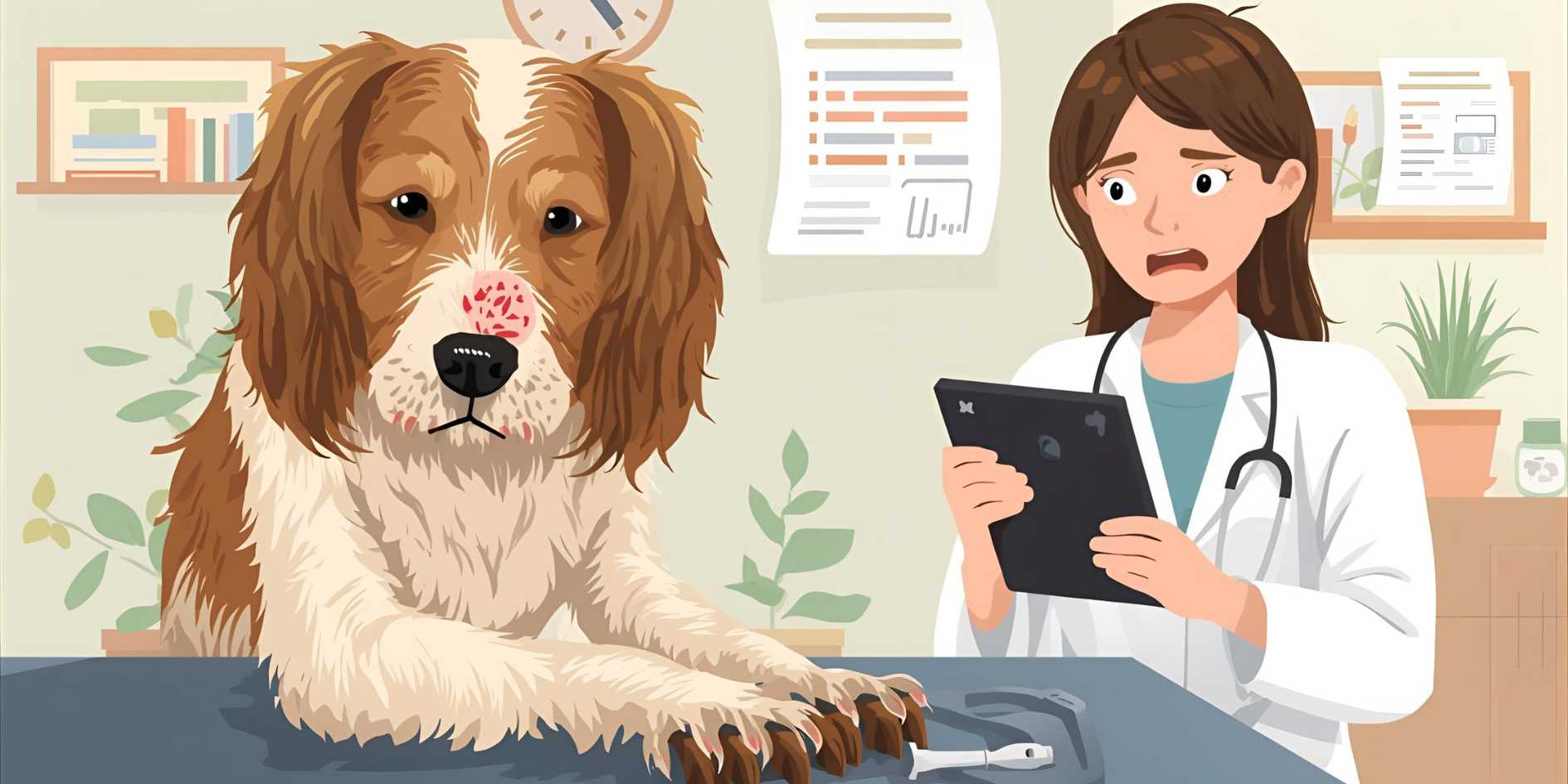
Although grooming is usually harmless and healthy, there are some cases when excessive grooming may point to an issue.
Overgrooming Due to Anxiety
When a dog licks another all the time to the extent that it irritates it, then this can be an indication of anxiety or compulsiveness.
Grooming Due to a Health-related Problem
In other cases, dogs groom each other due to the presence of something abnormal which include:
- Skin infections
- Parasites (fleas or ticks)
- Wounds
- Allergies
- Ear infections
Whenever a dog continues attacking the same point on the other, inspect the spot.
Developing Hot Spots
Repeated licking may result in hot spots which are irritated areas. These require medical care when they do not heal fast.
How to Manage Social Grooming at Home
Most of the times, it is advisable to allow dogs to groom one another. Nevertheless, the behavior must be healthy, and clients are to keep an eye on it.
Allow Grooming When
- The two dogs are relaxed and very comfortable.
- It's brief and gentle.
- No irritation of the skin is developing.
- Both dogs seem to enjoy it.
Interrupt Grooming When
- One of the dogs is stressed or attempts to move.
- The licking is obsessive.
- The skin turns red or irritated.
- It has to do with a laceration or a fresh operation.
- It targets ears excessively.
A simple verbal cue, distraction, or redirection to a toy usually works.

Leave a Comment