
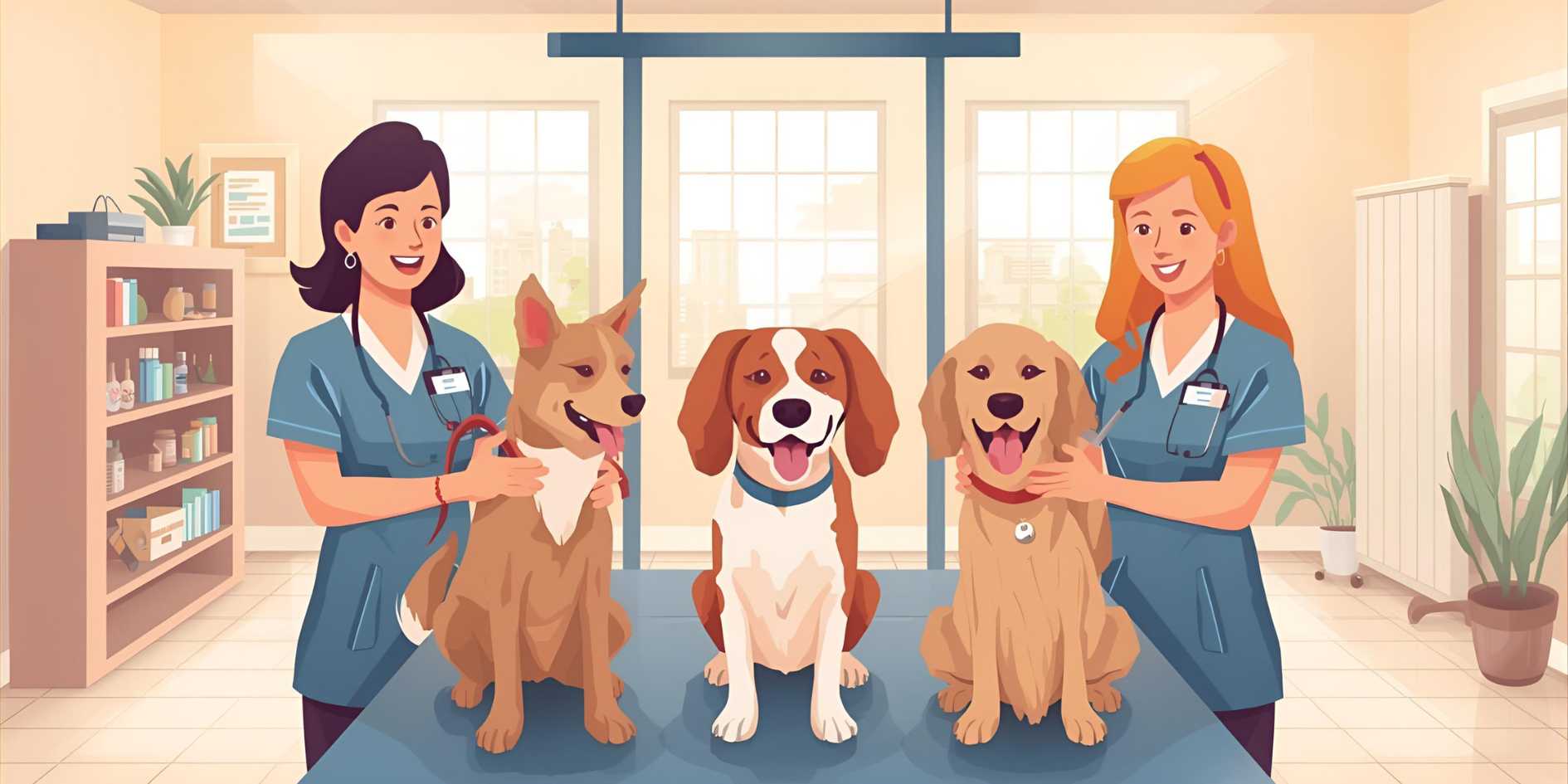
If you’re thinking about becoming a dog groomer either by working for a salon, starting a mobile grooming business, or opening your own shop—you may be wondering do you need a license to groom dogs?
The short answer is that requirements vary by state, country, and even local city laws. While some areas require business licenses or specific permits, others have no formal regulations for dog grooming at all.
This guide tells you all that you need to know such as legal requirements, certifications, training options, and what you actually require to run a successful grooming business.
What Is Dog Grooming?
Dog grooming does not only entail baths and haircuts.
Professional groomers work on such tasks as:
- Brushing and deshedding
- Bathing and blow-drying
- Nail trimming and grinding
- Ear cleaning
- Coat trimming and styling
- De-matting
- Anal gland expression (in certain states only veterinarians are allowed to do so).
Due to the sharp tools and animal safety, most of the people expect a license since groomers handle these sharp tools. Yet legal regulations are not so strict as you may think.
Do You Need a License to Groom Dogs?
Grooming License Requirements in the U.S.
No federal law in the United States stipulates that dog groomers should possess a certain license in grooming.
Other states or counties may however demand the use of permits or business licenses, based on how and where you are operating.
Here's what you may need:
Dog Grooming Certification (Optional)
The certification is not mandatory by the law but it is strongly advised since it:
- Builds trust with clients.
- Assists you in getting jobs more readily.
- Demonstrates that you are professionally trained.
- Minimizes injury risks on animals.
There are certified programs offered by organizations such as NDGAA, ISCC and PetTech.
Business License (Often Required)
In case you intend to operate your own grooming salon or mobile grooming unit, the majority of cities demand:
- A general business license
- A sales tax permit
- Zoning permit (home-based grooming).
Mobile Grooming permits (Sometimes needed)
Mobile groomers may need:
- A mobile vendor permit.
- Some cities have parking or route permits.
- Sanitation and health inspection.
Animal Facility Permit (State-Dependent)
Some states categorize grooming salons as animal welfare facilities and demand:
- Health inspections
- Facility permits
- Sanitation compliance.
Animal care facilities are sometimes regulated by the states like Colorado, California, and Florida, but the rules differ depending on the county.
Do You Need a License to Groom Dogs at Home?
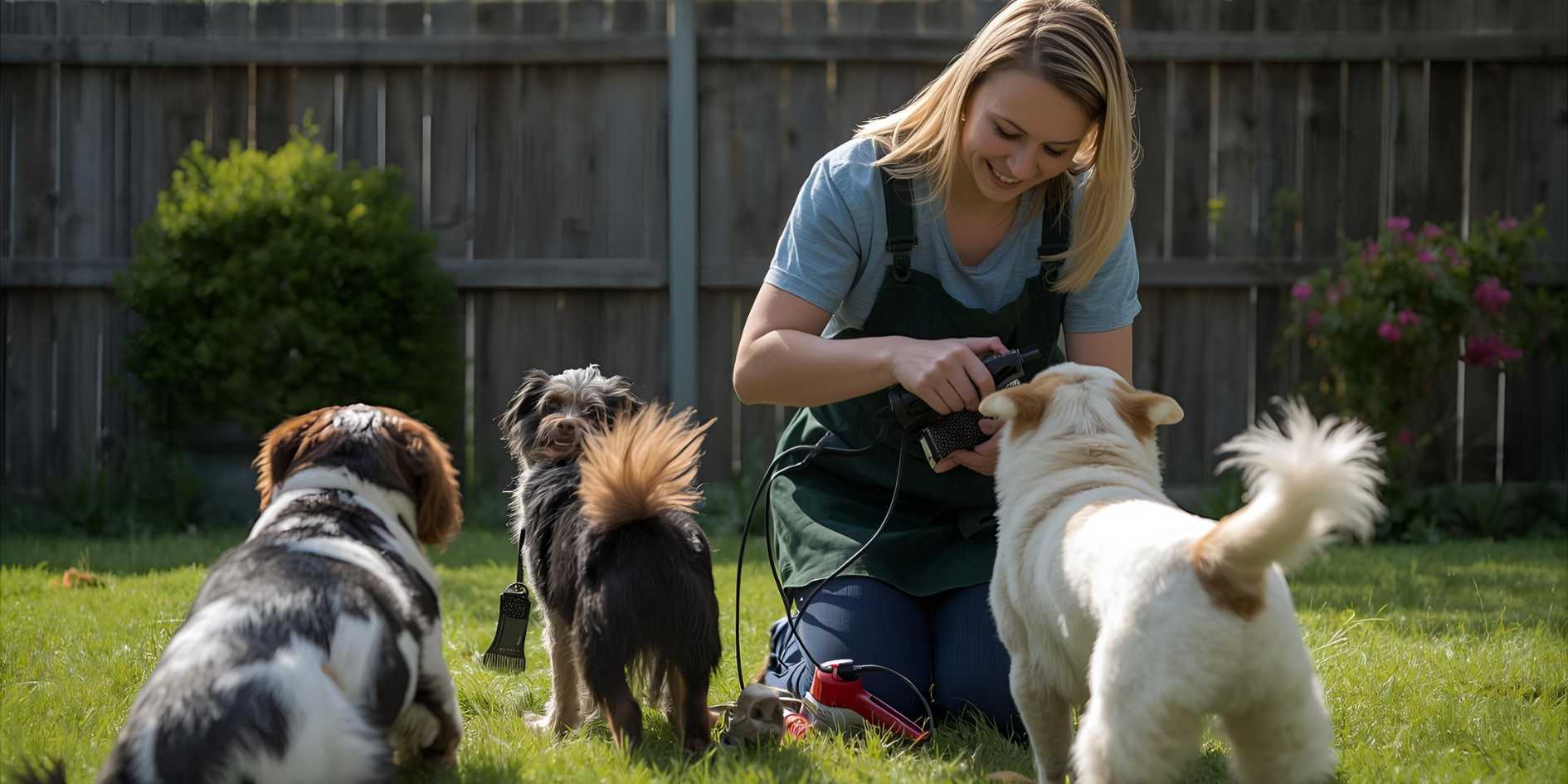
Home-based groomers might have less requirements, although they might also require:
- A home-occupation permit
- Local zoning approval
- A general business license
In other neighborhoods or HOAs, no home grooming business is permitted at all, and it is worth checking the local regulations.
Even if you groom dogs from home without a formal permit, you still remain legally responsible for:
- Animal safety.
- Noise control.
- Waste disposal and sanitation.
- Correct usage of chemicals and tools.
Do You Require a License to Open a Dog Grooming business?
Starting a Grooming Salon
In case you are starting your salon, you will probably require:
- A business license
- Employer Identification Number (EIN)
- Liability insurance
- Fire and safety inspections
- Building occupancy permits
Other cities need other animal-specific permits, particularly when boarding animals during grooming.
Starting a Mobile Grooming Business
Mobile grooming is quite popular, and demands are even more diverse.
You may need:
- A truck or bus license or permit.
- A mobile vendor license.
- Compliance of waste disposal fuel or water.
- Registration of the animal service by the local or county.
Starting a Home-Based Grooming Business
Many groomers start at home because it’s cheap and convenient.
Even when not legally required, it’s still wise to obtain:
- A basic business license
- Grooming insurance
- Professional training/certification.
Is Dog Grooming Certification Required?
The Reason why Certification is Important even when it is not mandatory.
Dog grooming is an art that incorporates anatomy, breed specific styles, dealing with nervous or violent pets, and working with sharp objects. Due to it, safety and professionalism should be taught formally, although it is not necessarily legally obligatory.
Certifications also make it easier to:
- Earn higher income
- Attract clients
- Reduce liability
- Work in reputable salons.
Popular Dog Grooming Certification Programs
| Organization | Certification Offered | Notes |
| NDGAA | National Certified Master Groomer | Industry respected |
| ISCC | Certified Pet Groomer | Focuses on breed standards |
| IPG | International Certified Master Groomer | Global recognition |
| Online Schools | Basic grooming certificates | Affordable and flexible |
These are not government-issued licenses but professional credentials.
Do You Need Insurance to Groom Dogs?
Insurance is not legally necessary, but highly recommendable.
Some of the risks associated with grooming include:
- Dog bites
- Injuries from tools
- Slips and falls
- Accidental cuts
- Damage to a client's property.
Common Types of Grooming Insurance
- General liability
- Professional liability
- Property insurance
- Mobile groomer van insurance.
A lot of grooming salons have employees or independent contractors that are supposed to be insured.
Why Regulation in Dog Grooming Is Increasing
Over the past few years, there has been an increasing discussion of the possibility of licensing groomers because:
- Safety concerns.
- Groomer-related accidents reports.
- Regulation by pressure of the people.
- Growing pet ownership.
Certain states have presented bills to control the industry, and further control can be enforced in future.
How to Become a Dog Groomer Without a License
Being a professional groomer, even without a license issued by a state, is possible with the help of the following steps:
Get Training
Enroll in:
- A grooming school
- An online grooming program
- An apprenticeship in a professional groomer.
Get Certified
Certification develops credibility and skills although it is optional.
Gain Experience
Practice on:
- Different breeds
- Different coat types
- Dogs of different temperaments.
Choose Your Career Path
You can work as:
- A salon groomer
- A mobile groomer
- A home-based groomer
- An independent contractor
- A grooming business owner
Register Your Business
Get the necessary:
- Licenses
- Permits
- Insurance
Build a Portfolio
Present before-and-after pictures to lure customers.
Pros and Cons of an Unregulated Grooming Industry
Pros
- Simple and less expensive to enter grooming business.
- Better flexibility to small business owners.
- No licensing exam barriers.
Cons
- There are huge differences in groomers in terms of quality.
- Lack of proper training exposure to safety risks.
- Absence of standard practices.
- Increased competition by undertrained people.








Leave a Comment