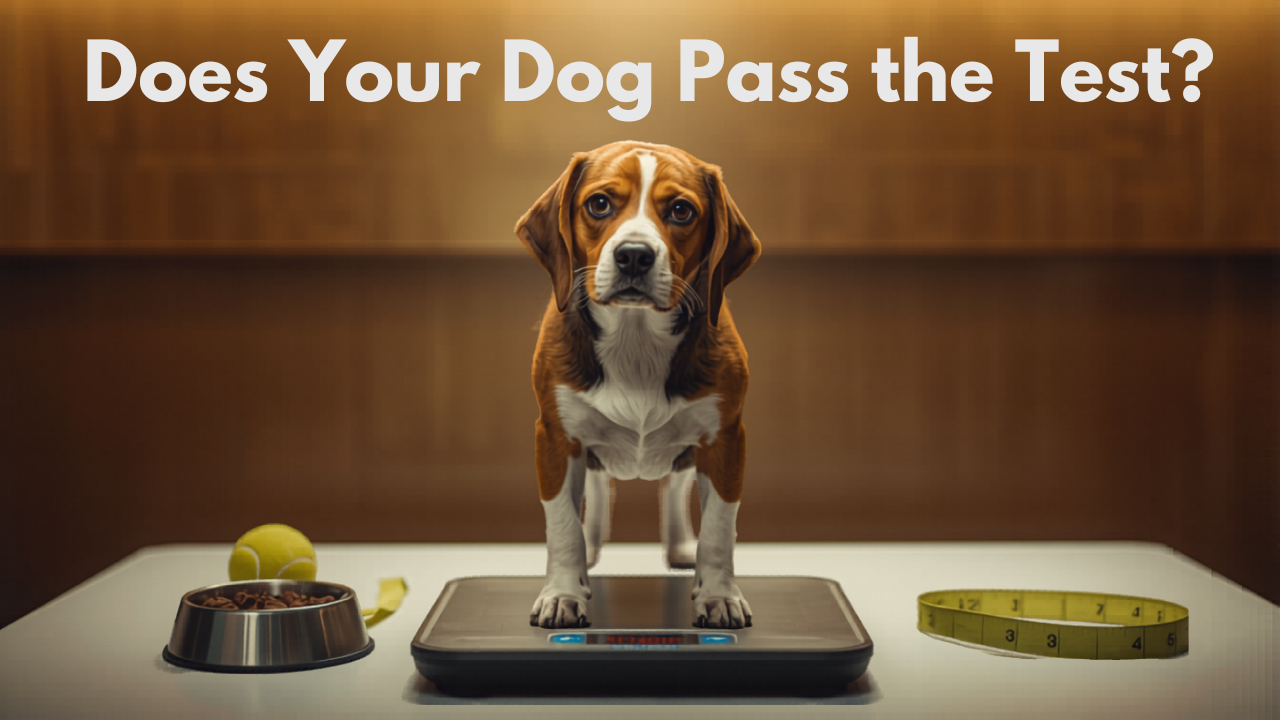
Maintaining a healthy weight is essential for your dog’s overall well-being. Just like humans, dogs can suffer from serious health issues if they carry extra weight. Unfortunately, many pet owners don’t realize their dog is overweight until it starts affecting their health and energy levels.
In this guide, you’ll learn how to identify if your dog is overweight, why it matters, and what you can do to help them get back to a healthy shape.
Why a Healthy Weight Matters
The healthy weight is not merely a matter of looks, but it also has a direct effect on the quality of life of your dog. Excessive weight dogs are more susceptible to diseases like diabetes, joint disorders, heart diseases, and shortened life span. Additional weight also causes unnecessary tension to their bones and organs, and thus, makes daily tasks harder.
The weight of your dog should be maintained at the optimum level to make them stay active, happy, and energetic in the coming years.
Common Signs Your Dog Is Overweight
Early detection of the symptoms can help to avoid chronic health problems.
The following are the most popular signs that your dog is overweight:
You Can’t Feel Their Ribs Easily
Gently feeling the ribcage is one of the easiest methods of determining the weight of your dog. In a healthy dog, the ribs should be felt and that too without pressing hard. In case the fat layer around the ribs is thick, it is possible that your dog is overweight.
Lack of a Visible Waist
A healthy dog must have a distinct waistline with the ribs when you are looking up at the dog. When you see that your dog is not oval or has a waist that cannot be seen, this is one of the indications that your dog is overweight.
Belly Sagging or Hanging
When a dog is looked at sideways, its stomach is expected to curve in a little way. When the belly is flat or is hanging down, then the dog may be having an excess of fat.
Reduced Energy Levels
In case your dog looks uninterested in playing games, gets easily tired on walks, or lies more than usual, then it might have too much weight.
Difficulty Moving or Breathing
Fat dogs may find it difficult to perform such activities as to climb stairs, jump, or walk long distances. Another symptom is increased or rapid breathing after little physical activity.
Weight Gain Over Time
A slow increase in weight may pass unnoticed when you are used to seeing your dog. The constant weigh-ins or comparison of photos over the time can assist you to notice the changes.
Causes of Weight Gain in Dogs
The first step to solving the problem is knowing why your dog is becoming fat.
Overfeeding
Most people who keep pets tend to overfeed their dogs by offering them huge amounts or frequent snacks without any intention. Even the little additional calories will accumulate.
Lack of Exercise
Dogs should have physical exercise to ensure they are not overweight. Inactive lifestyles usually result in gain of weight.
Age and Metabolism
The metabolism of dogs decreases with age. Even the older dogs need fewer calories but they tend to eat the same quantity as they used to eat when they were younger.
Medical Conditions
Some health problems may result in weight gain e.g. hormonal imbalances. A veterinarian should be consulted in case your dog is gaining weight even with a limited diet and exercise.
How to Check Your Dog’s Body Condition
A Body Condition Score (BCS) is a common method of assessing the weight of a dog used by veterinarians.
This scale is usually on the range of 1 to 9:
1–3: Underweight
4-5: Ideal weight
6-9: Overweight to obese
At an ideal score, your dog should have:
- Ribs that are easily felt with no extra fat.
- A visible waist from above
- An abdomen caused to be tucked.
When your dog reaches the higher range then it is time to act.
Effective Solutions to Help Your Dog Lose Weight
The process of assisting your dog to shed extra pounds will demand constant effort and moderation.
The following are some of the steps you can do:
Adjust Their Diet
Begin by assessing the current food consumption of your dog. Weigh ingredients, rather than roughing it. Think about changing to a good quality, weight control dog food, should there be a need.
Table scraps are not to be fed on as they tend to be high in calories and not good to the dogs.
Control Treats
No more than 10 percent of the total calories a dog should consume per day should be as treats. Use healthier options such as small portions of vegetables or low-calorie snacks that have been specially made.
Increase Physical Activity
Regular exercise is key to weight loss.
Depending on your dog’s breed and age, aim for:
- Daily walks.
- Such play sessions as fetch or tug-of-war.
- Moveable interactive toys.
Begin with low activity in case your dog is quite overweight and build up the activity levels.
Stick to a Feeding Schedule
It is better to feed your dog at regular hours every day, so that the metabolism becomes normal and not overloaded.
Monitor Progress
Monitor the weight of your dog and note any changes in the body build and the energy levels of your dog. Slow and gradual is more favorable than fast weight loss.
When to Consult a Veterinarian
In case if you are not sure the weight of your dog or the control measures, a veterinarian can give you some individual advice.
Seek professional advice if:
- Your dog becomes fat so quickly.
- Weight loss efforts are not working.
- Something is wrong with your dog or he is sick.
A vet is able to exclude the underlying health conditions and prescribe a harmless weight-loss program.
Tips to Prevent Future Weight Gain
Once your dog reaches a healthy weight, maintaining it is just as important.
- Continue regular exercise routines
- Stick to proper portion sizes
- Limit treats and snacks
- Schedule routine check-ups
Consistency is the key to long-term success.
Key Takeaways
Keeping your dog at a healthy weight is one of the most important things you can do as a pet owner. By recognizing the early signs of weight gain and taking proactive steps, you can prevent serious health problems and improve your dog’s quality of life.
A balanced diet, regular exercise, and mindful feeding habits go a long way in ensuring your furry companion stays fit and happy. Start making small changes today, and you’ll see a big difference in your dog’s health and energy over time.

Leave a Comment