
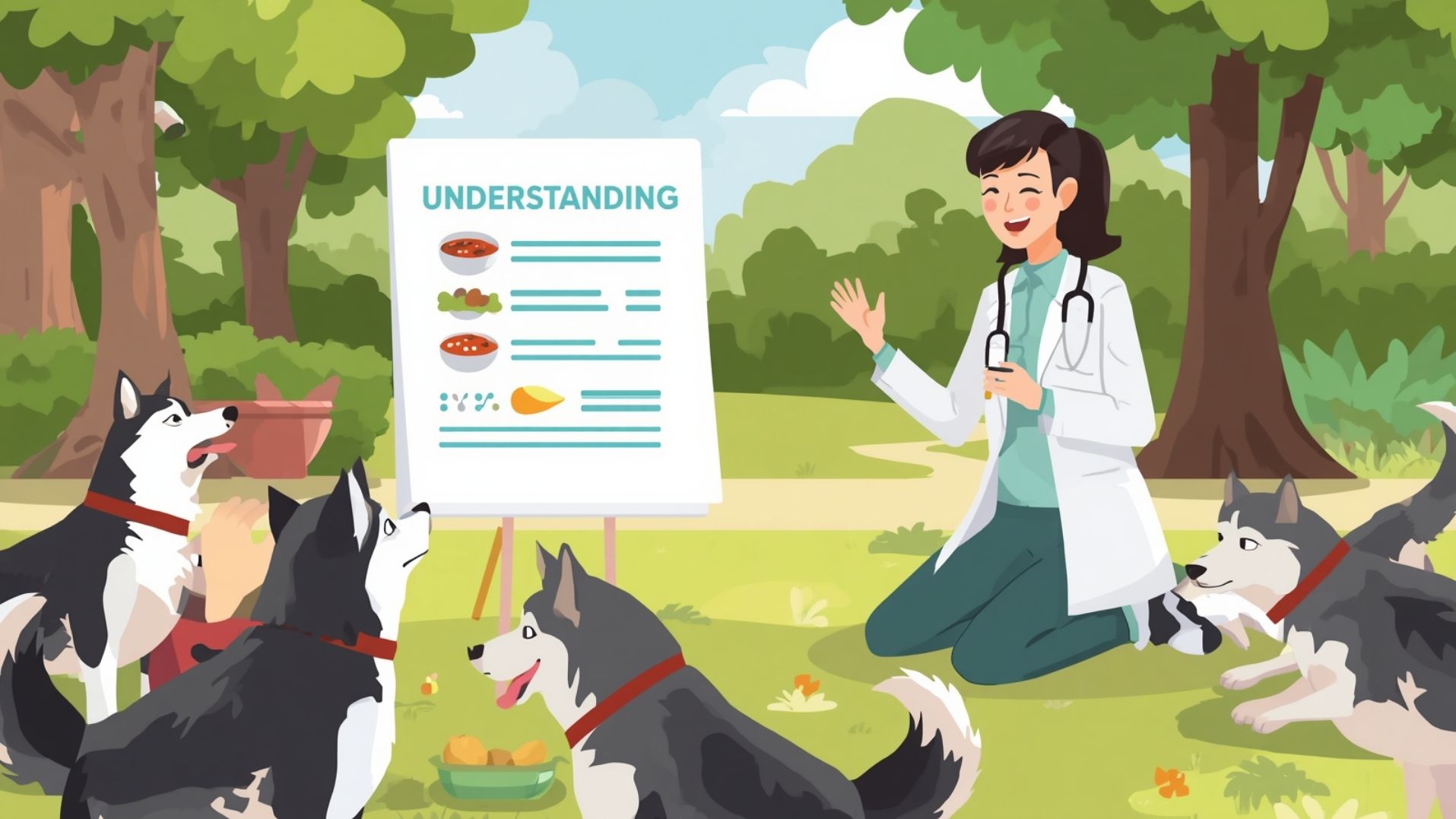
Huskies are active, sportive dogs that have special nutritional requirements. Being originally trained to pull sleds over a long distance, they are constructed to be enduring and can survive on rather moderate quantities of food than other dogs of the same size. Nonetheless, selecting the most appropriate dog food to feed Huskies is not as simple as just selecting a high-calorie formula.
A good Husky diet must contain good protein, fats, digestible carbohydrates, necessary vitamins and minerals and adequate calories to maintain the age, activity and overall well-being of the dog. This detailed feeding guide describes what Huskies eat, how much they require, what to seek in their food, and the pitfalls to avoid in feeding.
Understanding a Husky's Nutritional Needs
Huskies are energetic, powerful dogs that are efficient in energy consumption. Their diet must help them have strong muscles, healthy joints, long-lasting energy, shiny coat and strong immune system.
Protein is especially essential as it provides amino acids that are required to maintain and repair muscles. Sources of animal origin like chicken, turkey, beef, fish, lamb and eggs can be a great option when they are added to a complete and balanced formula.
Another vital component of a Husky diet is healthy fats. Fat is a source of concentrated energy and it aids in maintaining healthy skin and a thick, attractive coat. Sources of omega-3 fatty acids like fish oil can also help the skin, coat and general health.
Huskies do not necessarily have a problem with carbohydrates. Useful energy and nutrients can be obtained by easily digestible sources like rice, oats, barley, sweet potatoes, and other suitable grains or vegetables.
What to Look for in the Best Dog Food for Huskies
When selecting food to feed a Husky, pay attention to the nutritional value of the food, not to the marketing statements. Find a dog food that is complete and balanced at the particular stage of life of your dog.
The good formula must include a well-recognized animal protein at the start of the ingredients list. It must also contain the right amounts of fat, protein, vitamins and minerals.
Omega-3 and omega-6 fatty acids are good in keeping the skin and coat in good health. These nutrients may be found in ingredients like salmon, sardines, fish oil, flaxseed, and some poultry fats.
Fiber may also be helpful in digestion. Fiber can be added to a balanced diet by ingredients like pumpkin, beet pulp, vegetables, or some whole grains.
Do not use such phrases as premium, natural, or holistic to select food. These words do not necessarily imply that a food is healthier. Rather, look at the overall nutritional content and the suitability of the food to your Husky age and lifestyle.
Best Dog Food for Husky Puppies
The nutritional needs of husky puppies are not the same as those of adult dogs since they are developing at a fast rate. They require a healthy puppy diet that will help them develop healthy without excess calories or unsuitable levels of nutrients.
Select a puppy formula that is appropriate to the size of your Husky at adulthood. Puppy food must contain good quality protein and the right level of fat, calcium, phosphorus and other important nutrients.
Overfeeding may promote unwarranted growth and unnecessary weight gain. Use the feeding guidelines provided by the manufacturer as a guide, but increase or decrease the amounts depending on the body condition and development of your puppy.
Puppies usually require more than one meal a day. They can be helped to eat their daily food in three meals to help them get regular meals and sustain their active lifestyle.
Feeding Adult Huskies
Adult Huskies usually do well on a complete and balanced adult maintenance formula. Nevertheless, the optimal size differs significantly among dogs.
Age, body size, exercise, metabolism, weather and health are all factors that can influence calorie requirements. A Husky that runs or walks a lot during the day may need more food as compared to one that walks a short distance each day.
Instead of using the measuring cup all the time, check the body condition of your dog. The ribs should not be hidden in lots of fat. An observable waist when viewed overhead is usually a good indication that your dog is in a healthy body shape.
Weigh daily portions rather than free-feed. Huskies are also picky eaters at times, and having food around all day may complicate keeping track of their consumption.
How Much Food Should a Husky Eat?
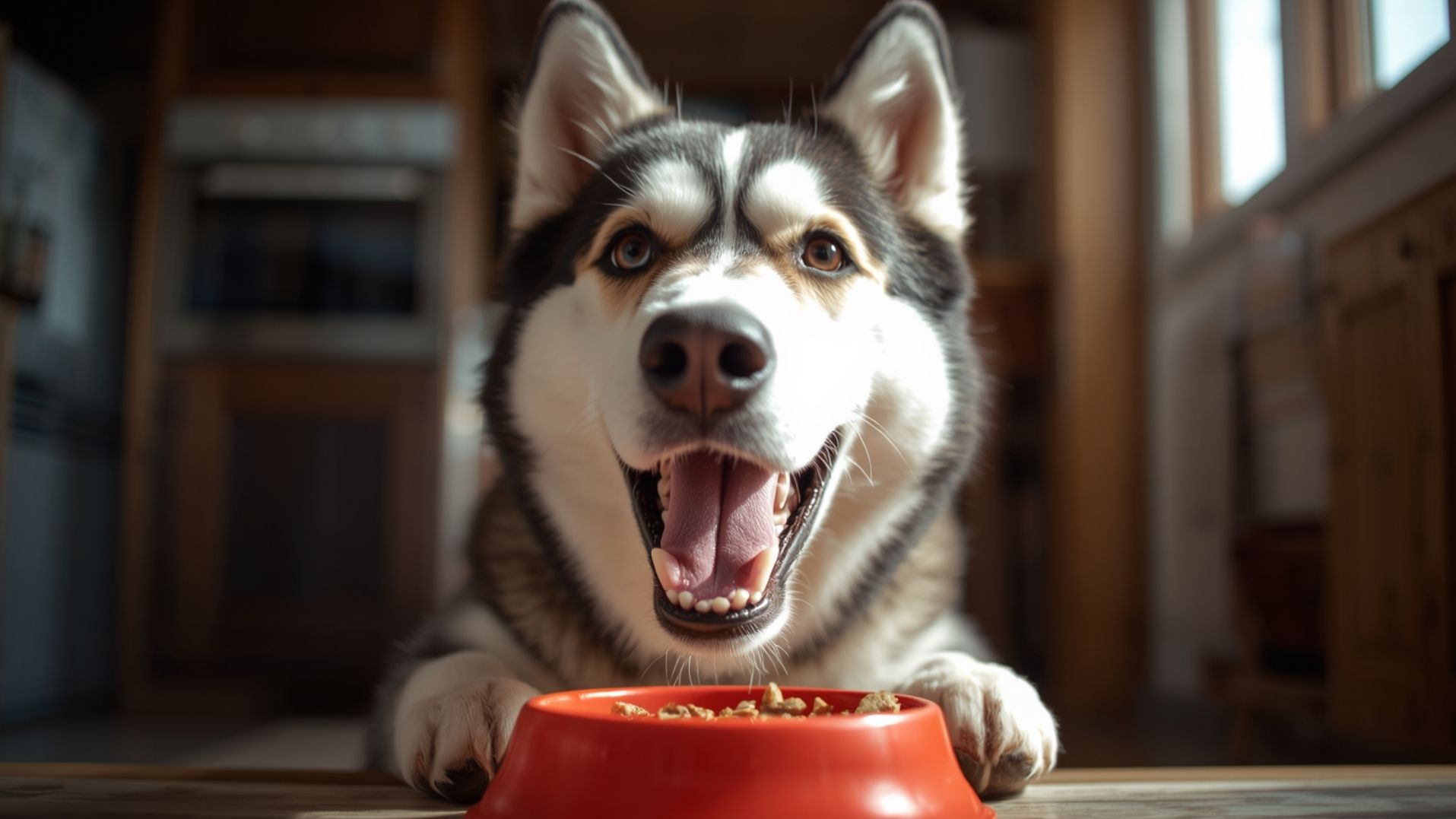
The feeding recommendations on the commercial dog food labels serve as a good starting point, but they need to be modified depending on the needs of your dog.
The amount of food an adult Husky needs to consume can vary based on body weight, activity level, and the number of calories in the food. Working dogs that consume a lot of energy can require significantly greater caloric intake compared to comparatively sedentary pets.
Split the recommended daily amount into the meal portions instead of the package recommendation being considered as a prescription. Remember about treats and snacks, which are also a source of calories in the daily diet.
When your Husky is gaining weight, slowly decrease the total number of calories per day. When your dog is losing weight even though he/she is eating normally, then visit a veterinarian to exclude the possibility of an underlying issue and just increase the food.
Wet Food, Dry Food, or a Combination?
Kibble in dry form is convenient, simple to measure and is usually easy to store. When properly formulated to meet the life stage of your Husky, a good kibble can be all the nutrition your Husky needs.
Wet food is much moister and may be helpful to dogs that like soft food or require encouragement to eat. It is however, usually more costly per calorie and may not be as convenient to feed on daily.
A large number of owners mix dry and wet food to ensure variety. When you do this, cut down on the kibble intake accordingly to maintain the right level of calories.
There should be fresh water at all times. Active Huskies need hydration especially after exercise or in hot weather.
Foods Huskies Should Avoid
There are human foods that are harmful or dangerous to dogs. Never intentionally feed Huskies foods containing chocolate, grapes, raisins, onions, garlic, xylitol, alcohol, or excessive amounts of salty or fatty foods.
Cooked bones are also not to be used as they can splinter and result in severe injuries. Raw diets and homemade diets must be carefully planned in nutrition; merely mixing meat, vegetables, and supplements does not make a balanced diet.
Table scraps may also lead to obesity and digestive upset. In case you wish to give treats, then you should select the right dog treats and limit them to a small amount of the total calories consumed by your dog each day.

Leave a Comment