

The first time you leave your dog in a boarding center may be stressful to both you and your dog. Dogs are habitual animals and a new surrounding with strangers, noise and new routine may be too much to handle unless they are well prepared.
The positive aspect is that boarding can be a safe, comfortable and positive experience to your dog with the right training and preparation. The transition can be made a lot easier by helping your pet to gain confidence, learn simple commands, and adapt to brief stays at home.
You may be on a vacation, business trip or emergency stay, but preparing your dog before boarding will help you to be less anxious and give your dog the best possible care.
Start Preparing Your Dog Early
Delaying till the last moment to get the dog ready to be boarded is one of the most common errors that pet owners make. Dogs need time to adjust to new experiences, especially if they have never spent time away from their family.
Start training your dog a few weeks before the day of boarding. Slowly introducing your dog to new surroundings, individuals, and habits may make your dog feel more at ease and secure.
Preparation early will enable you to recognize any challenges like separation anxiety, fear of new places, or inability to follow instructions and practice before the boarding stay.
Help Your Dog Become Comfortable Being Alone
Most dogs are stressed when they are not with their owners. Although a certain degree of attachment is normal, dogs that do not cope with being alone might have a more difficult time boarding.
One of the ways you can make your dog independent is by training him to spend a few minutes alone at home. Begin by leaving your dog alone a few minutes and then slowly increase the time.
Do not make departures and arrivals too emotional. Remaining calm will make your dog realize that being alone is a normal aspect of life and that you will come back.
Practice Basic Commands Before Boarding
Training helps to make your dog manageable when in a boarding facility. Your dog does not require knowing any complicated tricks, but simple commands can enhance safety and communication.
Other key commands to practice are:
- Sit
- Stay
- Come
- Leave it
- Down
- Drop it
A dog that obeys simple instructions is more manageable to the boarding employees, particularly when feeding, playing, taking walks and communicating with other dogs.
Socialize Your Dog with New People and Dogs
The boarding facilities usually have contact with strangers and other pets. In such cases, proper socialization will make your dog less nervous.
Get your dog used to various individuals, sounds, and surroundings in a gradual manner. Confidence can be enhanced through positive experiences at parks, training classes, pet-friendly places, or with trusted friends.
In case your dog does not get along with other dogs, then notify the boarding facility in advance. A lot of professional facilities may offer individual activities or separate accommodations depending on the needs of your dog.
Visit the Boarding Facility Before the Stay
It can be made much easier by visiting the boarding facility prior to your dog’s stay. Give your dog the opportunity to be exposed to the environment, the staff, and familiarize with new smells and sounds.
When visiting, observe cleanliness, safety precautions, staff interaction, and treatment of various kinds of dogs by the facility.
It will be less intimidating to a familiar place, particularly to dogs that can be nervous in an unfamiliar environment.
Create Positive Associations with Boarding
Dogs are learners and therefore, by making the activities associated with boarding positive, stress can be minimized.
Attempt to expose your dog to things and activities that it will undergo when boarding.
You can, e.g.:
- Train to sleep in a crate.
- During practice stays, bring a familiar blanket or toy.
- Reward new environment calm behavior.
- Go on little excursions.
Positive reinforcement assists your dog to realize that new experiences may be secure and gratifying.
Book a Trial Boarding Stay
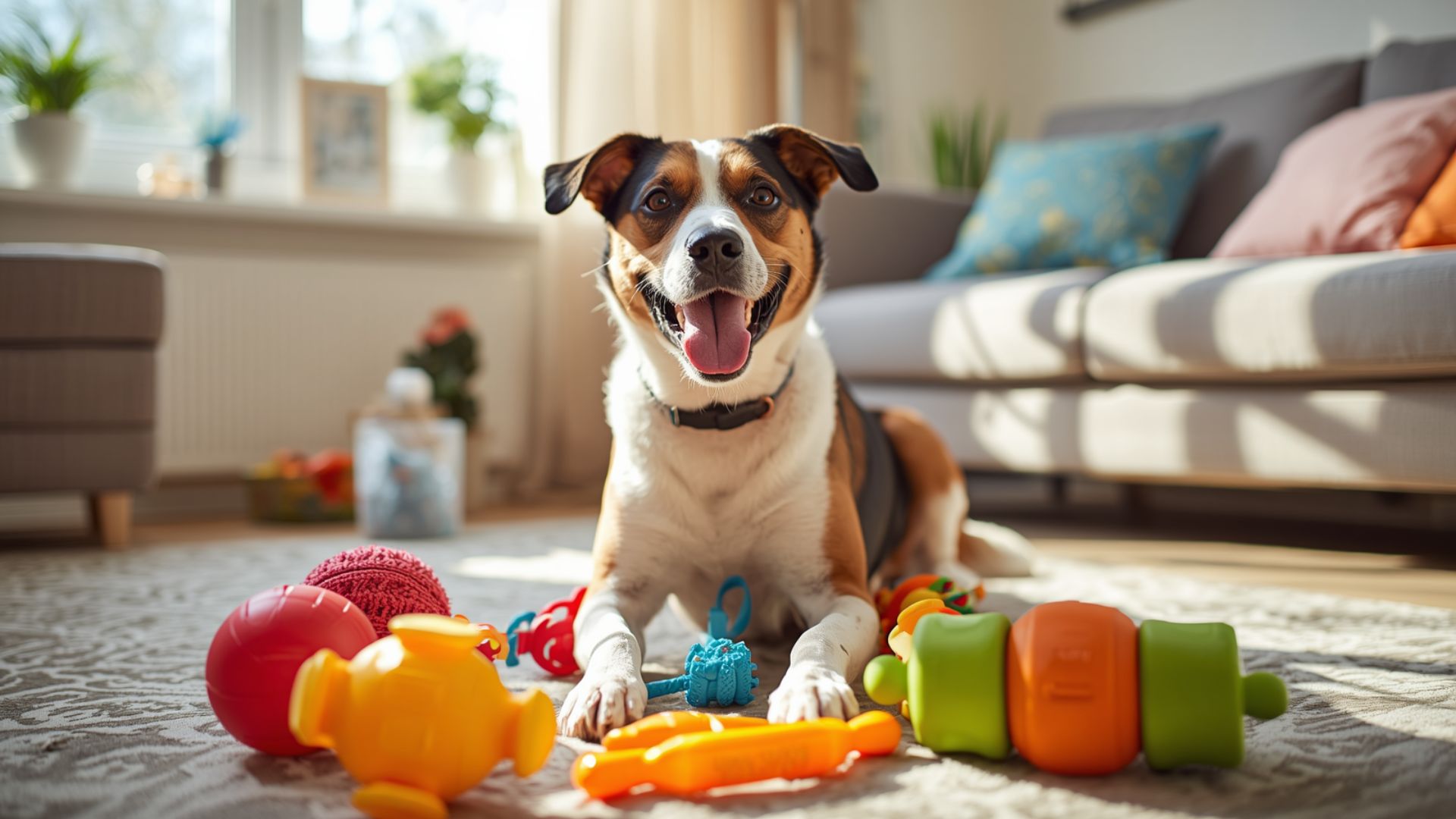
Even a trial stay can be of great assistance particularly when it comes to first time dog boarding. One night or weekend stay will enable your dog to enjoy the facility without spending a long time away.
Trial boarding assists your dog to get acquainted with the staff, routine, sleeping and environment.
It also provides you with important information on how your dog reacts to boarding prior to a longer stay.
Prepare Your Dog’s Health and Vaccinations
Ensure that your dog is in good health and is vaccinated against the necessary diseases before boarding. In the majority of boarding facilities, the evidence of vaccines is mandatory to safeguard all pets that are going to be housed in the facility.
Arrange a visit to the veterinary in case your dog has not undergone a recent health check. Talk with your veterinarian about any concerns, medications, allergies or special care needs.
Typical health preparations can be:
- Updated vaccinations
- Prevention of fleas and ticks.
- Medication instructions
- Dietary requirements
- Emergency contact information
Pack the Right Supplies for Your Dog
You can make your dog feel at ease when boarding by preparing his/her belongings.
Depending on the facility’s requirements, you may need to pack:
- Food and snacks
- Medication
- Leash and collar
- Favorite toy
- Comfort blanket
- Feeding instructions
- Emergency contact details.
Do not overpack since boarding facilities are normally limited in storage space. Select common objects that are comforting but do not clutter.
Keep Your Dog’s Routine Consistent
Dogs prefer to be in familiar routines. Attempt to keep your dog on schedule before boarding, in terms of meals, walks, exercise and sleep.
Disclose the routine of your dog to the boarding personnel, including:
- Feeding times
- Exercise preferences
- Sleeping habits
- Behavioral triggers
- Favorite activities.
The better the facility knows the normal routine of your dog, the better it will be to give it individual care.
Manage Your Own Emotions During Drop-Off
Dogs are very sensitive to human emotions. Your dog might also be anxious when you seem nervous or upset when dropping off.
Make the farewell peaceful and happy. Do not have lengthy emotional goodbyes, which will cause separation to be more dramatic.
Trust that a well-prepared boarding facility is equipped to help your dog adjust and settle into their temporary routine.
Leave a Comment