
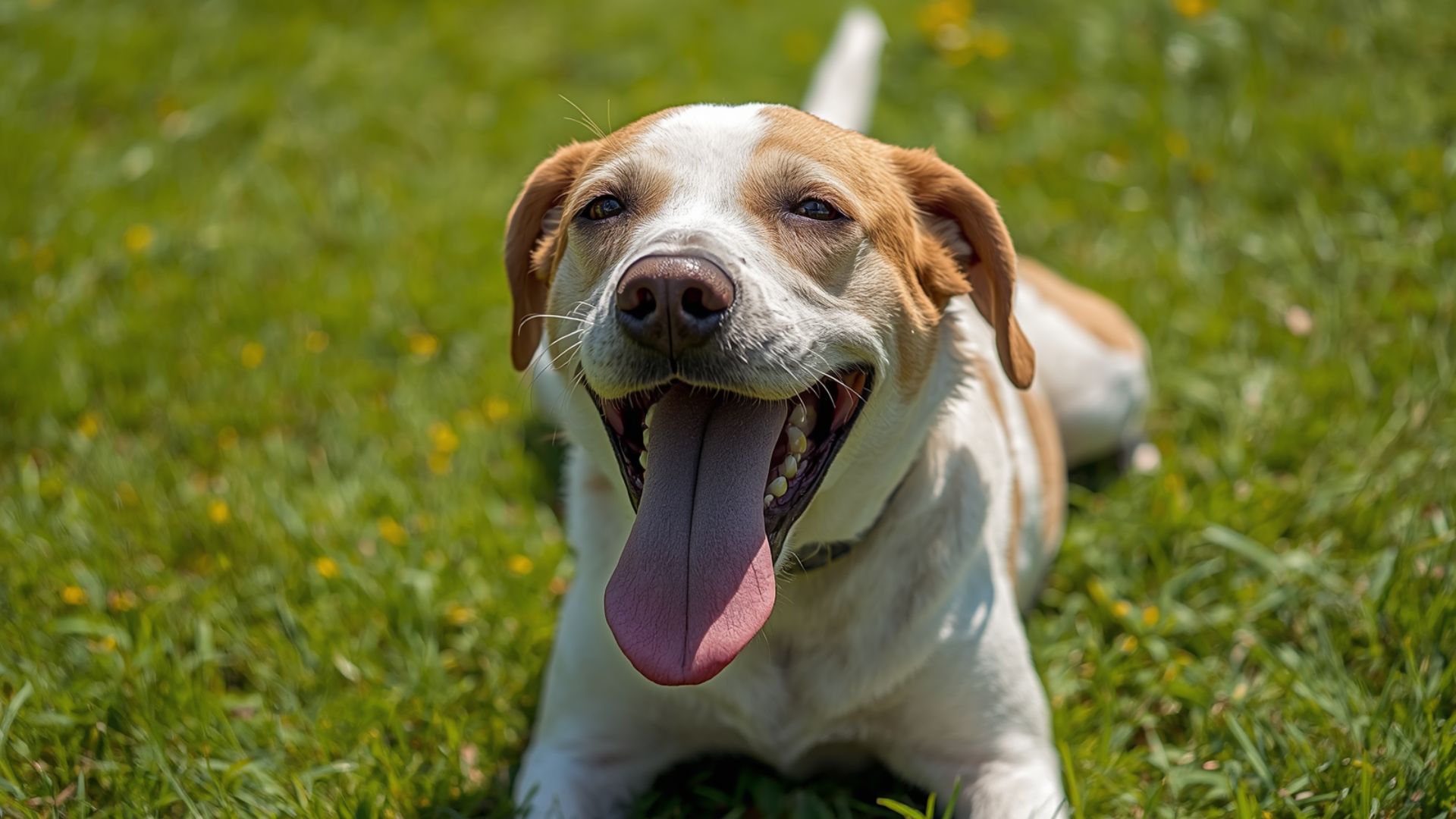
Panting is a natural thing to do as a dog. Dogs, unlike human beings, depend on panting a lot in order to maintain body temperature since they have very few sweat glands. Your dog may also pant more than normal after exercise, in hot weather or when excited. But, too much panting may be a sign that something is amiss.
When your dog is in need of attention, knowing the distinction between normal and abnormal panting may save your time. In other instances, over panting can be associated with heat, stress, pain, medication, or underlying health condition.
What Is Normal Dog Panting?
Normal panting is typically light, rhythmic and temporary. When your dog runs, plays, goes on a walk, or is in hot weather, it might begin to pant. Temporary panting may also be caused by excitement and anxiety.
When your dog is in a cool and comfortable place, the breathing will slowly go back to normal. What matters is to think of what your dog was doing just before the panting began.
Panting is more worrisome when it occurs without a clear cause, is abnormally severe, prolonged, or accompanies other behavioral or health alterations.
Why Do Dogs Pant Excessively?
There are many possible causes of excessive panting. One of the most common is heat. Dogs are easily overheated, especially when the weather is hot or humid, when the dog is exercising intensively, or when there is no sufficient shade and water.
Heavy panting may also be caused by stress and fear. A dog may also pant when there is a thunderstorm, when it is in a car, when it is being taken to the veterinarian, during fireworks or when it is under stress.
Another potential cause is pain. Even without an apparent injury, dogs can pant when they are not comfortable. Abnormal breathing or panting may also be caused by medical issues in the heart, lungs, airways, or other body systems.
Could Excessive Panting Mean Heatstroke?
Yes. Heatstroke is a severe emergency and overheating may be one of its initial symptoms. Others can be excessive drooling, weakness, vomiting, confusion, loss of coordination, collapse or abnormal gum color.
Bulldogs and Pugs have short, flat faces, which might make them especially susceptible since they have limited airways, making it harder to cool down. There are also possible additional risks of heat in older, overweight, and dogs with heart or lung issues.
In case of heatstroke, take your dog out of the heat and rush him or her to the emergency veterinary. The cooling process should be slow instead of the use of very cold water.
Signs That Panting May Be Abnormal
Being aware of what to look at can guide you to know when to call a veterinarian. Note the variations of the normal behavior and breathing pattern of your dog.
Regarding signs, they might include panting when your dog is resting, breathing unusually fast, difficulty breathing, coughing, feeling weak, restless, decreased exercise capacity or unusual fatigue. Alterations in the color of the gum, excessive drooling, vomiting, stumbling or falling are of particular concern.
Symptoms that can be involved in respiratory problems include rapid or labored breathing, coughing, abnormal breathing sounds, and exercise intolerance. These are symptoms that cannot be overlooked.
When Should You Call the Veterinarian?
When your dog is overly panting, and there is no apparent cause, persists following rest, or persists in occurring, book a doctor visit. To identify the potential cause, a veterinarian can examine the history of your dog, physical condition, breathing, heart, and other indicators.
Your veterinarian might want to know when the panting has started, whether it occurs during rest or exercise, and the duration of the panting, as well as whether your dog has had any changes in appetite, drinking, urination, energy, or behavior.
Early veterinary care is especially necessary in cases where panting is accompanied by difficulty in breathing, weakness, collapse, extreme lethargy, vomiting, seizures, or other acute symptoms.
How to Help a Panting Dog at Home
Provided your dog is panting due to normal activity and otherwise appears healthy, then leave it to rest in a cool, well-ventilated place. Ensure that there is fresh drinking water and avoid exercise until your dog has recovered.
During hot weather, avoid strenuous activity during the hottest parts of the day. Take your dog out during the cool weather and give him shade when he is outside. Do not leave a dog in a parked car, even with partially open windows or a parked car in the shade. The temperatures in cars can increase at a very high rate.
Do not administer human drugs to your dog in case of suspected pain or illness unless directed to do so by your veterinarian.
How to Prevent Excessive Panting
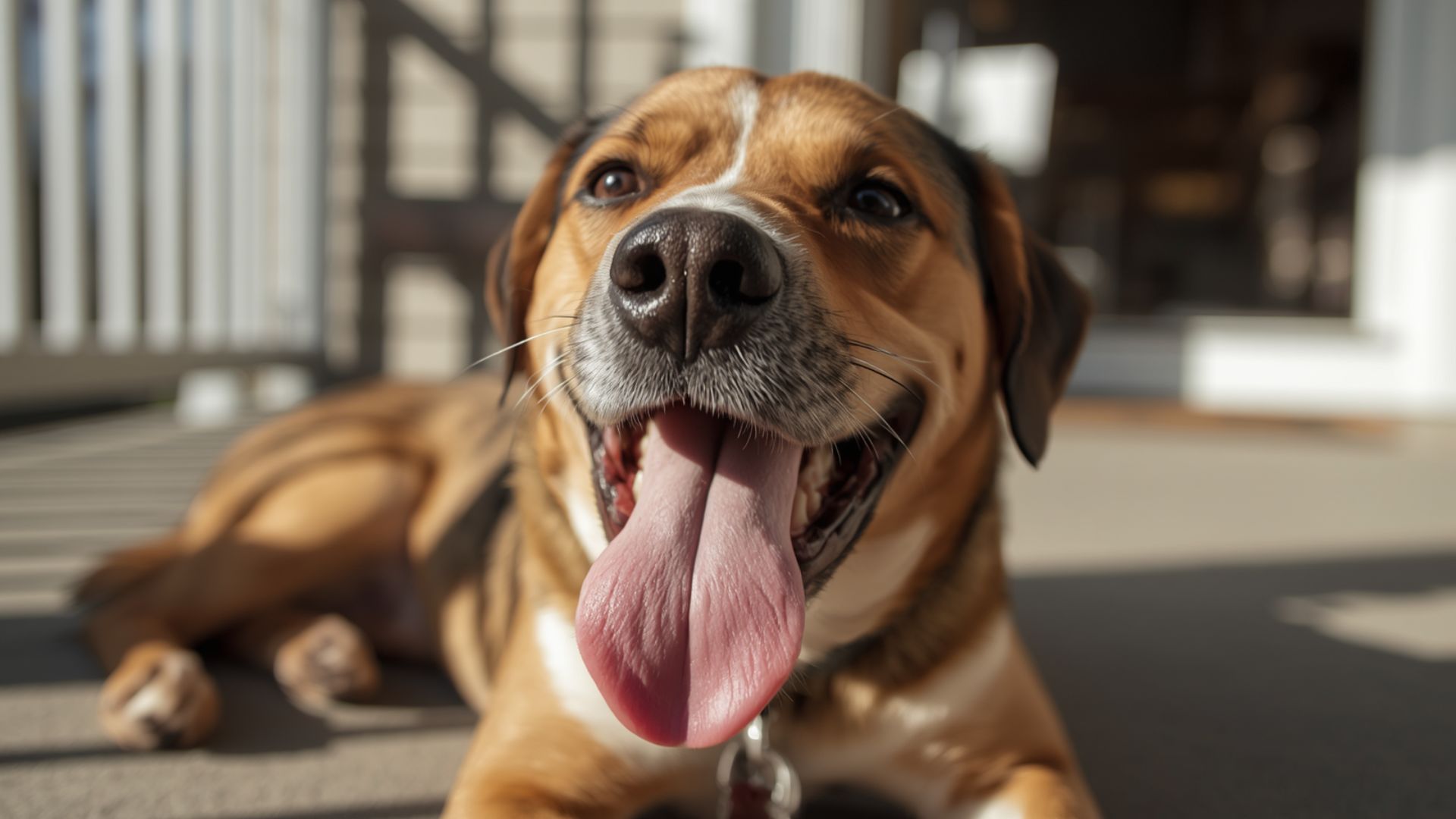
The first step in prevention is to identify the needs of your dog. Maintain a healthy weight of your dog, exercise him/her regularly and properly, and ensure that a dog is always supplied with fresh water.
During hot weather, restrict vigorous exercise and be very attentive to overheating. Short-nosed dogs, elderly dogs, fat dogs, and dogs with heart or lung diseases might need additional care.
Veterinary checkups can also be conducted regularly, which can be used to detect health issues before they escalate. It may be easier to observe significant changes by monitoring normal breathing and behavior of your dog.
When Excessive Panting Should Not Be Ignored
Normal and significant cooling down of dogs is through panting, which should not be automatically disregarded. When your dog has an apparent cause to pant, like a workout or excitement, the breathing ought to typically become better when the stimulus is eliminated.
Panting which comes suddenly, continues during rest or is accompanied by other symptoms can be a sign of a problem. Heatstroke, respiratory issues, and pain among other health conditions may escalate rapidly.
In case of suspicion, call your veterinarian. When your dog is having difficulty breathing, is collapsing, or exhibiting the symptoms of heatstroke or another severe or acute symptom, do not wait for the issue to go away on its own but take them to the emergency veterinary care.
Leave a Comment