
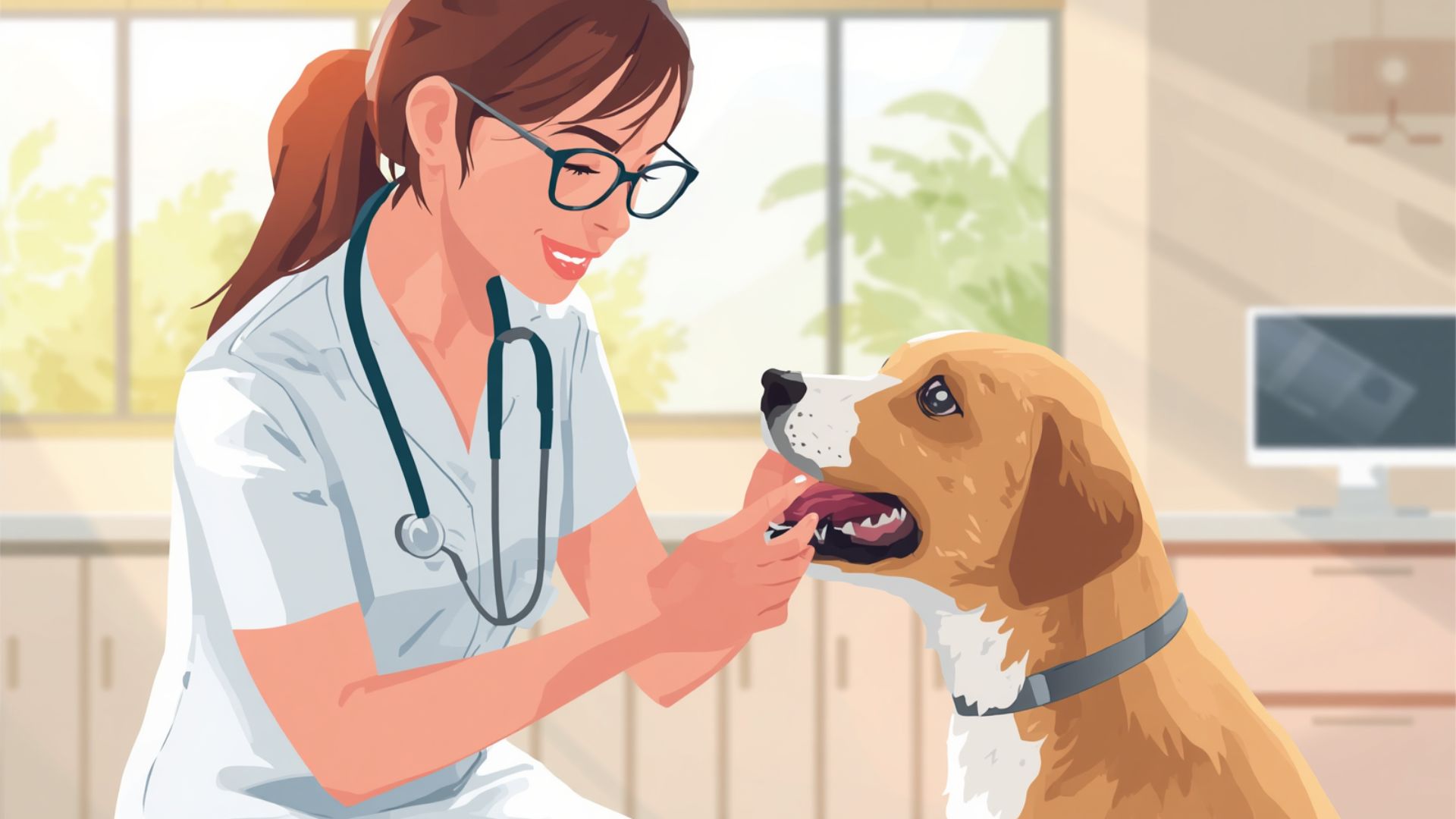
Bad breath in dogs, also known as halitosis, is more than an unpleasant smell. Although the breath of a dog can never be minty fresh, a strong or persistent smell can be an indicator of a health issue. Dental disease is the cause of bad breath in most instances, although digestive problems, infections and some medical conditions may also play a role.
Learning about the causes of bad breath in dogs can assist the owners of pets to know when they can do it at home and when they have to visit the veterinary clinic. Most of the causes of bad breath in dogs can be controlled with proper dental care, regular checkups and proper treatment.
What Causes Bad Breath in Dogs?
The most common cause of bad breath in dogs is poor oral health. The accumulation of food particles, bacteria, and plaque can occur along the teeth and gums. With time, the plaque may become hardened to form tartar causing inflammation, infection, and unpleasant odor.
The other causes may be gum disease, broken or infected teeth, something stuck in the mouth and oral injuries. Other dogs can also acquire bad breath due to the consumption of something strange like garbage or feces.
Persistent bad breath should not be always dismissed as a normal aspect of being a dog even though dental problems are the most common cause.
Dental Disease and Bad Breath
One of the most common causes of dogs developing chronic bad breath is dental disease. Bacteria in plaque may irritate the gums leading to gingivitis, an initial stage of gum disease. Gingivitis may develop into periodontal disease without treatment.
Periodontal disease may result in swollen, bleeding, or red gums, loose teeth, difficulty eating, and foul-smelling breath. In severe cases, the tissues and bone that hold the teeth may be destroyed by the infection.
Small and toy breeds might be especially susceptible to dental issues since their teeth can be crowded and thus harder to clean on a daily basis. Frequent dental treatment is thus significant to both large and small dogs of all ages.
Other Health Problems That May Cause Bad Breath
In some cases, bad breath may be linked with non-mouth related health conditions. As an illustration, diabetic dogs can have a sweet or strange smell of breath. In some cases, kidney disease may result in ammonia or urine-smelling breath.
Changes in breath odor may also be caused by digestive issues, respiratory infections, and some liver diseases. The conditions usually lead to other symptoms, including thirst, frequent urination, vomiting, weight loss, loss of appetite, lethargy, or behavioral changes.
In case of sudden bad breath or when the bad breath is accompanied with other unusual symptoms, it is worth contacting a veterinarian.
Signs Your Dog Needs Dental Care
The initial symptom of a dog that requires improved oral care is often bad breath, although other symptoms can be observed as the dental disease advances. Be aware of yellow or brown tartar on the teeth, red or swollen gums, excessive drooling, biting one side of the mouth, or spitting food when eating.
Hard food or chew toys may also be avoided by your dog due to pain in the mouth. Other dogs lose their appetite and some dogs eat even when they have a lot of dental pain.
It is important to check the mouth of your dog regularly to be able to see the changes in time. Never, however, make your dog open his mouth when it causes him fear or aggression.
How Vets Diagnose the Cause
A veterinarian will typically start with a physical examination and thoroughly examine the mouth, teeth and gums of the dog. In case of the suspicion of dental disease, a professional cleaning of the teeth can be prescribed.
Further testing is required in certain instances. Blood tests can be used to determine medical conditions that could be causing bad breath. Dental X-rays can also be required to identify issues that are below the gumline and cannot be seen using the visible examination.
It is important to find the underlying cause since merely covering the odor will not solve the health issue.
Professional Dental Cleaning for Dogs

Professional cleaning might be required when tartar and dental disease have set in. Veterinary dental cleaning enables the removal of plaque and tartar in the teeth and under the gumline.
The veterinarian can also prescribe infected gums treatment or tooth removal in case of severely damaged teeth, depending on the state of the teeth. Such processes assist in eliminating causes of infection and pain.
A veterinary professional should carry out professional dental care instead of scraping or cleaning the teeth which may harm the gums or cause damage to tooth enamel.
Brushing Your Dog’s Teeth at Home
One of the most effective methods of preventing the accumulation of plaque and bad breath in dogs is to brush their teeth on a daily basis. Apply dog toothbrush and toothpaste. Toothpaste that is used by humans should not be used since some of the ingredients are not safe to dogs.
Introduce brushing gradually. Begin by letting your dog sample a small portion of pet toothpaste, and then rubbing the teeth and gums. After getting your dog at ease, take the toothbrush and clean the outer part of the teeth.
Brushing more than once or twice a week can be beneficial, though the best way to maintain good dental health is by brushing every day.
Dental Chews, Diet, and Oral Hygiene
Tooth brushing can be supplemented with dental chews and dental diets. There are products that are meant to aid in the reduction of plaque or tartar by chewing. They are not, however, to be viewed as an alternative to normal brushing or professional veterinary care.
Select the dental products that suit your dog in terms of size, age, and chewing patterns. Hard objects may also cause damage to teeth and therefore, it is advisable not to give dogs objects that are too hard.
There should also be fresh drinking water at all times. General nutrition is good and does not prevent all dental disease, but diet alone cannot prevent all dental disease.

Leave a Comment