
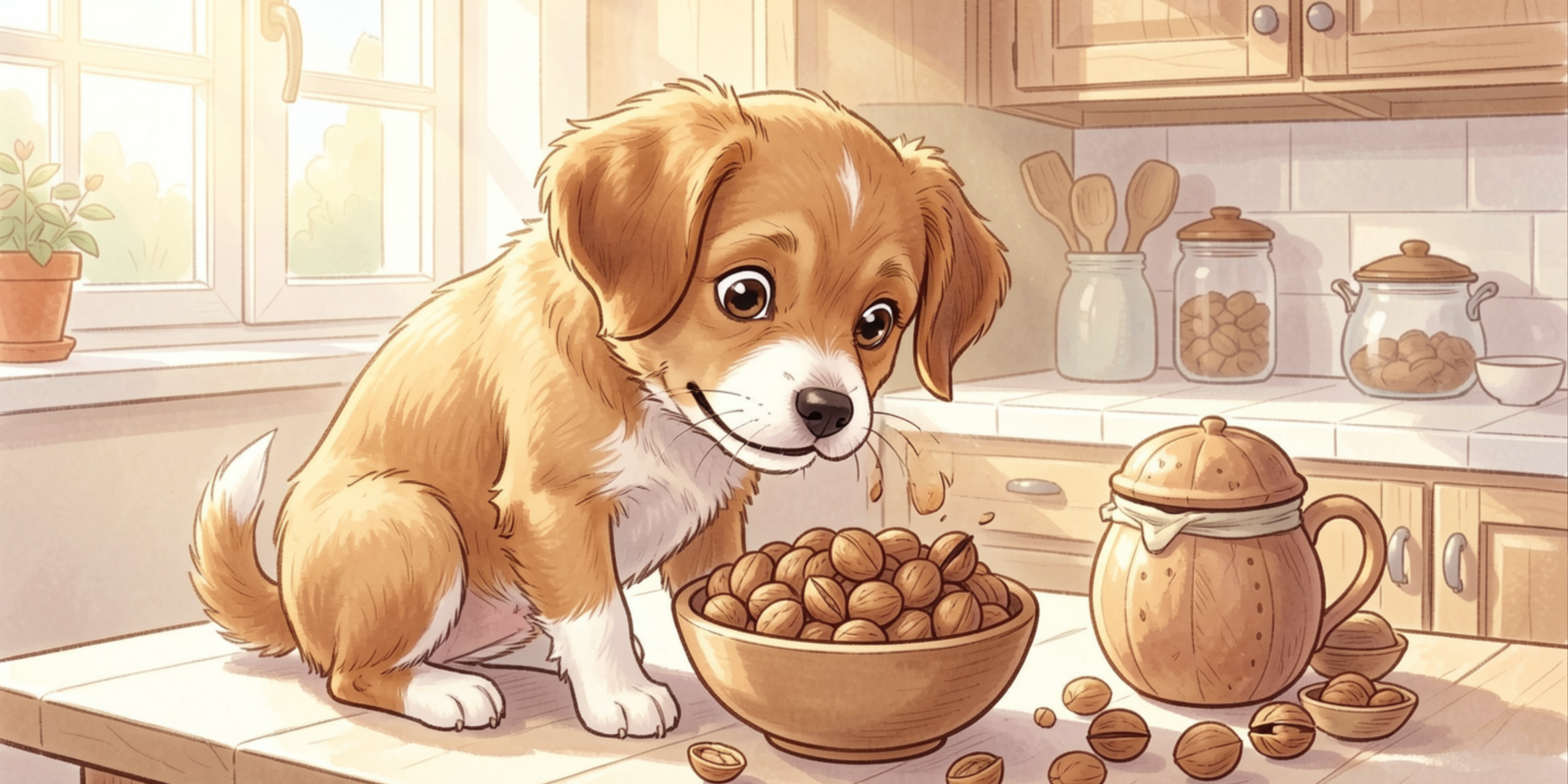
Many dog owners wonder whether their furry friends can enjoy the same snacks they do. Nuts are a popular treat for humans, full of flavor and nutrients, but are they safe for dogs? The short answer is—it depends on the type of nut. Some nuts can be safe in small amounts, while others can be highly toxic. This guide will break down everything you need to know about dogs and nuts.
Are Nuts Safe for Dogs?
Nuts contain a lot of fat and calories and hence are an energy giving snack. There are also some nuts that are thought to be safe in small quantities to the dogs such as peanuts but others such as macadamia nuts are very toxic.
The digestive systems of dogs are not the same as that of human beings. Their digestive system might not be able to digest some elements in nuts and this can cause stomach upsets or some other severe health complications.
Important: Even safe nuts should only be offered as an occasional treat, not as a regular part of a dog’s diet. Overfeeding nuts can cause weight gain or digestive problems.
Safe Nuts for Dogs
There are also some types of nuts that are usually safe to dogs, in low quantities and when prepared correctly.
Peanuts
One of the most dog friendly nuts is the peanuts. They contain plenty of proteins and good fats.
Tips:
- Feed plain, unsalted peanuts.
- Do not take added sugar or chocolate peanuts.
A peanut butter is also safe when it is free of xylitol which is a sweetener that is harmful to dogs.
Cashews
Another nut the dogs can have moderately is cashews. They include vitamins and minerals such as magnesium which may help in improving the health of your dog.
Tips:
- Feed cashews, unsalted, and unflavored.
- Limit portion size to prevent stomach upset due to their high fat content.
Almonds (with caution)
Almonds are not poisonous but may be indigestible by the dogs. Almonds can even choke whole, and this is particularly dangerous to small breeds.
Tips:
- In case of providing almonds, crush or chop them into small pieces.
- Feed in very small portions and observe intestinal uneasiness.
Nuts Dogs Should Avoid
Some of the nuts are safe, others are dangerous and even life-threatening to dogs.
Macadamia Nuts
The Macadamia nuts are very toxic to dogs even in small amounts.
The symptoms of the poisoning include:
- Weakness or lethargy
- Vomiting
- Tremors or shaking
- Hyperthermia (elevated body temperature)
In the case of your dog consuming the macadamia nuts, then call a veterinarian.
Walnuts
Walnuts can be problematic for dogs because they are prone to mold, which produces mycotoxins. Mycotoxins can cause seizures or neurological problems. Additionally, large pieces of walnut can be a choking hazard or cause intestinal blockage.
Pecans
Pecans are also dangerous because they are contaminated with moulds. Consumption of pecans can cause vomiting, diarrhea or even worse.
Pistachios
Pecans also pose a risk due to mold contamination. Eating pecans may lead to vomiting, diarrhea, or more serious health issues.
Potential Health Risks of Feeding Nuts to Dogs
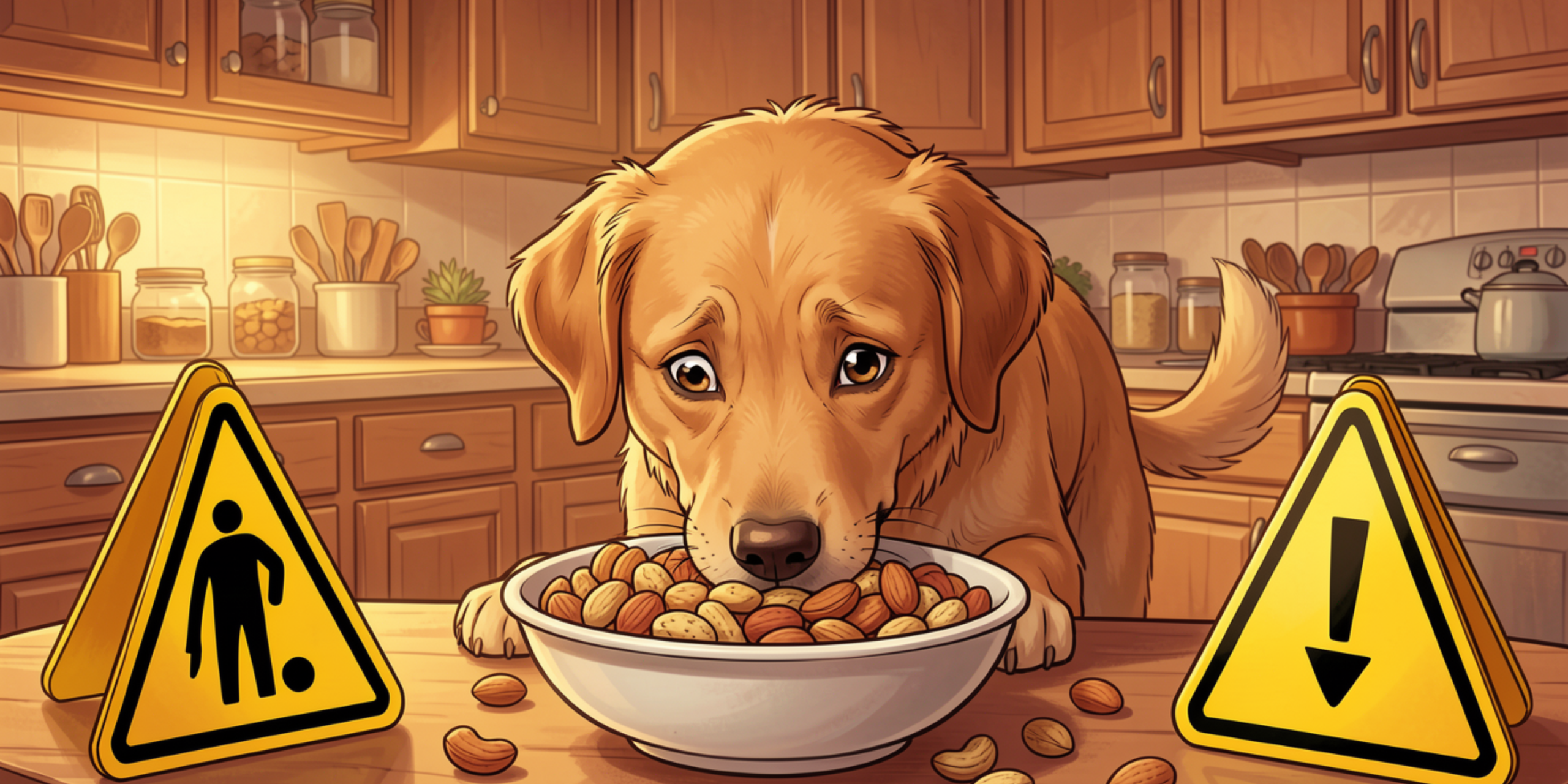
Even the so-called safe nuts are dangerous.
Here are the main concerns:
High Fat Content
Nuts are not only naturally fatty but on excessive consumption may cause weight gain or pancreatitis which is a serious condition that affects the pancreas.
Choking Hazard
Whole nuts may become lodged in the throat or digestive tract of a dog particularly in small dogs. Nuts should be chopped or crushed to small bits.
Allergies
Dogs, just like humans, may become allergic to some of the nuts.
Signs include:
- Itchy skin or rashes
- Vomiting
- Swelling of the face or paws
Toxic Ingredients
There are those nuts which can be roasted with salt, sugar, and chocolate. These extra components may be very harmful to dogs.
How to Safely Feed Nuts to Dogs
If you decide to offer nuts as a treat, follow these safety tips:
Start Small: Add nuts in small portions to test the reaction of your dog.
Stick to Safe Nuts: Peanuts or cashews are better options than Macadamia nuts or walnuts.
Avoid Additives: Feed plain, unsalted, and unflavored nuts only.
Chop or Crush: Minimize the risk of choking by crushing nuts into small blocs.
Monitor Your Dog: Watch for signs of digestive upset, allergies, or unusual behavior.
Alternatives to Nuts for Dogs
If you want to give your dog a crunchy, protein-packed snack without the risks, consider these options:
Carrot sticks – Not high-calorie and good-teeth.
Apples slices– High in fiber, yet take off the seeds.
Green beans – Healthy and delicious.
Pumpkin seeds – Roasted and unsalted, they may be a healthier substitute of nuts.
These snacks can be more easily digested and risky as compared to normal nuts.
Key Takeaways
- Dogs can eat some nutsin moderation, but many types are unsafe.
- Safe nuts like, almonds (chopped), cashews, and peanuts.
- Perilous nuts like, Macadamia nuts, walnuts, pecans, and pistachios.
- Nuts are not to be taken in place of a balanced diet but they are to be sparingly taken.
- Always avoid nuts with salt, sugar, chocolate, or other additives.
Keeping Your Dog Safe with Nuts
Nuts can be a tasty occasional treat for dogs, but only certain types are safe. As a responsible pet owner, it’s important to be selective and cautious. Overfeeding nuts, or feeding the wrong type, can cause serious health problems. When in doubt, stick to safe options like peanuts or cashews, serve them plain and chopped, and always watch your dog closely for any signs of distress.
Treats are fun, but the most important part of your dog’s diet is balanced nutrition. Keeping nuts as a rare indulgence rather than a staple will help your furry friend stay happy, healthy, and full of energy.







Leave a Comment