
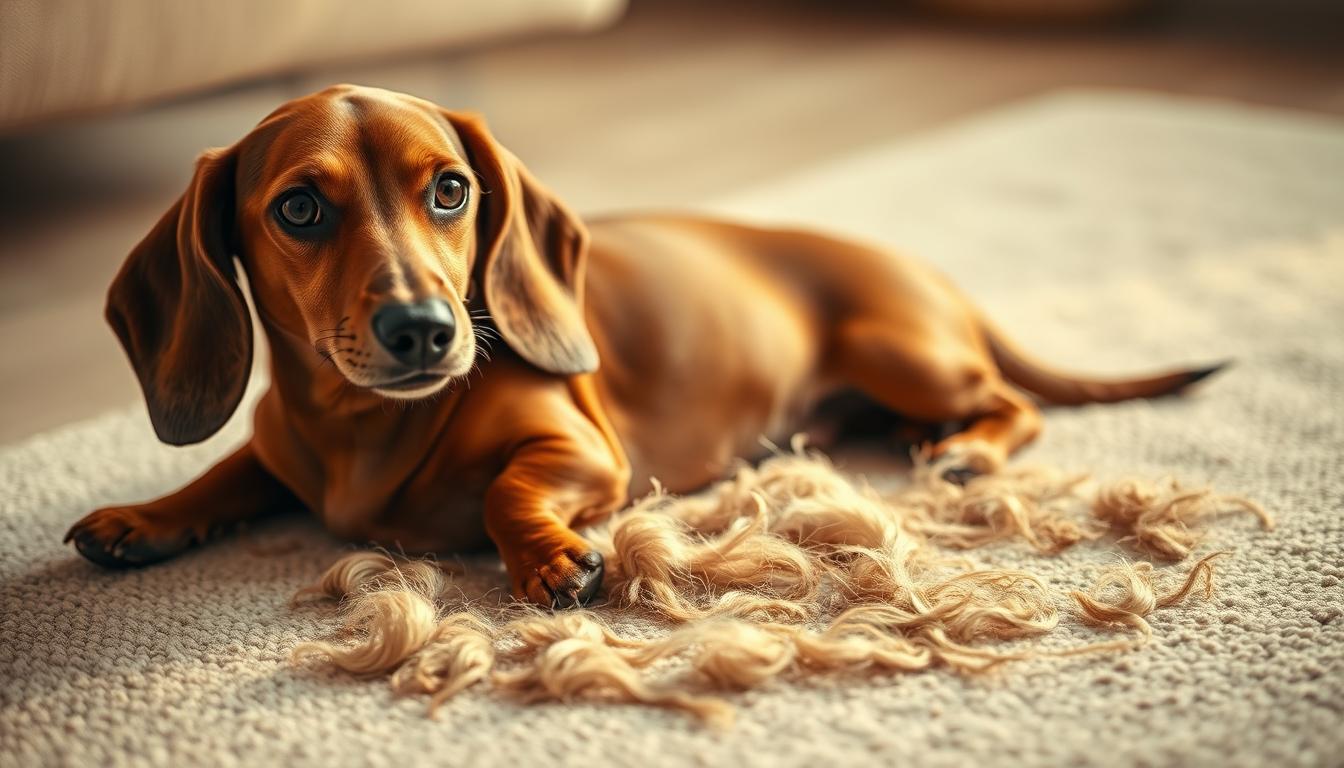
Picture this: you’re curled up on the couch with your playful dachshund, their wagging tail brushing against your leg. Suddenly, you notice a few stray hairs clinging to your favorite sweater. Sound familiar? If you’ve ever wondered about managing pet hair in your home, you’re not alone.
All dogs shed to some degree—it’s a natural process that keeps their coat healthy. For dachshund owners, understanding shedding patterns is key to maintaining a clean space while enjoying life with these spirited companions. Their three coat types—smooth, longhaired, and wirehaired—each require unique care routines.
Regular grooming and a balanced diet play vital roles in managing loose fur. While no dog is completely hypoallergenic, weekly brushing sessions can significantly reduce stray hairs. For those considering adoption, long-haired dachshund puppies bring particular charm but may need extra attention compared to their smooth-coated cousins.
Though shedding might seem daunting at first, most owners agree the laughter and loyalty these small dogs provide far outweigh the occasional vacuuming. Stay tuned as we explore practical strategies to keep your home hair-friendly while nurturing your pet’s well-being.
Exploring Dachshund Coat Types and Their Unique Shedding Patterns
Not all coats are created equal. These small dogs come in three distinct varieties, each with its own maintenance requirements and shedding behaviors. Understanding these differences helps owners tailor care routines effectively.
Smooth-Haired Companions
The sleek, short coat of smooth-haired varieties requires minimal upkeep. Weekly brushing with a soft-bristle tool removes loose hairs and distributes natural oils. Though shedding occurs year-round, it’s typically light and manageable. Veterinarians recommend monthly baths to maintain skin health.
Longhaired Elegance
Flowing locks give longhaired dachshunds their signature charm. Their silky fur demands daily brushing to prevent tangles around ears and legs. While shedding frequency matches smooth-coated types, longer hairs appear more noticeable on furniture. Professional groomers suggest using detangling sprays during brushing sessions.
Wirehaired Resilience
Wirehaired coats feature a dense undercoat and rough outer layer. These double-layered dogs shed moderately throughout the year but experience intense seasonal “coat blows.” Hand-stripping every few months helps manage excess fur. Allergy sufferers should note their coarse texture traps dander more than other types.
Texture and grooming complexity vary widely across these breeds. Choosing the right care strategy ensures both pet comfort and cleaner living spaces.
do dachshunds shed? A Closer Look at Moderate Shedding Trends
These small hounds follow nature's rhythm when renewing their coats. Moderate shedding helps maintain healthy skin and replace old fur. While no dog stays hair-free, dachshunds strike a balance between maintenance and manageability.
Seasonal Coat Renewal Cycles
Spring brings increased shedding as pets shed winter undercoats. Wire-haired varieties experience dramatic “coat blows” during autumn too. These seasonal peaks last 2-3 weeks but respond well to brushing routines.
Coat Type Comparisons
Smooth-coated dogs leave fine hairs that blend into fabrics. Longhaired types shed similar amounts but their silky strands stand out on dark surfaces. Wire-haired dachshunds drop more dense undercoat during transitions, requiring specialized tools for removal.
Veterinarians consider occasional hair clusters normal, especially near bedding areas. Omega-rich diets and weekly brushing sessions minimize loose fur around the house. While no solution eliminates shedding completely, proactive care keeps it from overwhelming your space.
Ready to transform grooming from chore to bonding time? The next section reveals professional techniques for maintaining your companion's coat between seasons.
Effective Grooming Techniques to Manage Dog Hair
Maintaining a dachshund's coat requires tailored approaches based on their fur type. Proper techniques reduce stray hairs while promoting skin health and natural shine. Owners can transform routine care into quality bonding moments with simple tools and consistent habits.
Daily vs. Weekly Brushing Strategies
Longhaired varieties benefit from daily 5-minute sessions with a slicker brush. This prevents mats behind ears and between legs while catching loose hairs before they spread. Smooth-coated dogs thrive with weekly soft-bristle brushing to distribute oils without irritating sensitive skin.
De-shedding combs work wonders during seasonal coat changes. Always brush in the direction of hair growth to avoid tugging. Pet experts recommend combining brushing with quick coat inspections to spot dryness or parasites early.
Professional Grooming Options
Wirehaired types often need expert grooming tips for hand-stripping their dense undercoats. Professional groomers use specialized tools to remove dead fur efficiently, reducing shedding by up to 40% between visits. Most owners schedule deep-cleaning sessions every 8-12 weeks.
Regular trims around paw pads and ears keep these active dogs comfortable. Pair professional services with home vacuuming using pet hair attachments for optimal results. A consistent routine preserves coat texture and minimizes allergens in living spaces.
Nutritional Tips and Supplement Insights for a Healthy Coat
A dog's diet lays the groundwork for their coat's vitality and shedding patterns. What your pet eats directly impacts hair strength, skin hydration, and overall fur density. Proper nutrition helps maintain a glossy appearance while managing loose strands that accumulate on floors and furniture.
Balanced Diet Essentials
High-quality proteins like chicken or salmon support hair follicle development. Omega-3 and omega-6 fatty acids, found in fish oils and flaxseed, reduce dryness and flaking. Many premium dog foods formulated for small breeds include these nutrients. Look for options with “complete and balanced” certifications from veterinary associations.
Enhancing Coat Health with Supplements
For pets with thicker undercoats or seasonal shedding spikes, fish oil capsules can boost shine. Biotin supplements strengthen brittle hairs, while zinc promotes skin elasticity. Always consult your vet before introducing new products—they might recommend brands like Nordic Naturals or VetriScience based on your dog's needs.
Consistency matters. Pair nutrient-rich meals with regular brushing to trap loose fur before it spreads. Over time, this combo minimizes hair tumbleweeds without disrupting your pet's natural renewal cycles.
Home Care and Cleaning Strategies to Tackle Dog Hair
Keeping your space fur-free doesn’t require magic—just smart cleaning strategies. With the right tools and routines, you can manage stray hairs while preserving your furniture and floors. Consistency proves more effective than occasional deep cleans when dealing with pet-friendly households.
Vacuuming Techniques and Tools
High-quality vacuums make all the difference. Models like Dyson’s Animal series excel at lifting embedded hairs from carpets and upholstery. Opt for devices with motorized brush rolls and HEPA filters to capture allergens. Daily quick passes in high-traffic areas prevent buildup, while weekly full-floor sessions maintain freshness.
Pet hair attachments extend your vacuum’s reach. Use crevice tools for sofa seams and upholstery brushes for curtains. Many owners find cordless models convenient for spontaneous cleanups after playtime.
Using Lint Rollers and Protective Covers
Sticky tape rollers work wonders on clothing and car seats. Keep one near entryways for pre-outdoor adventures. Washable furniture covers in neutral tones camouflage stray hairs between cleanings. Choose machine-washable fabrics that withstand frequent laundering.
Establish a three-step routine: morning lint-rolling, midday vacuuming, and evening cover adjustments. This rhythm reduces visible hairs by 60% in most homes. Pair these habits with regular grooming to minimize airborne dander and keep your living areas welcoming for all.
Addressing Common Shedding Concerns and Health Triggers
When your four-legged friend leaves more hair than usual, it might signal deeper issues. While dachshunds naturally shed moderate amounts, sudden changes in fur loss patterns often reveal hidden health factors. Recognizing normal versus problematic shedding helps maintain both your pet’s well-being and home cleanliness.
Spotting Trouble: Beyond Typical Hair Loss
Normal shedding involves consistent, small amounts of loose hairs during brushing. Excessive shedding shows up as clumps in bedding or bald patches on the belly. Watch for redness, flaky skin, or constant scratching—these often accompany allergies or parasites like mites.
Seasonal changes cause temporary increases, but prolonged heavy shedding lasting over a month warrants attention. A dull coat texture or brittle hairs may indicate nutritional gaps in omega fatty acids or zinc. Stress from routine changes can also trigger abnormal fur loss.
Veterinary Visits: Timing Matters
Schedule a checkup if brushing reveals inflamed skin or unusual thinning. Sudden hair loss paired with lethargy or appetite changes could signal hormonal imbalances. Professionals recommend immediate consultation for open sores or foul odors from the coat.
Keep a weekly log of hair accumulation to track patterns. Combine this with regular grooming to catch issues early. Most problems become manageable when addressed promptly, preserving both your dog’s comfort and your furniture’s appearance.
Wrapping Up: Key Takeaways for Maintaining a Pristine Dachshund Home
Living with these spirited companions requires a smart approach to coat care. Three coat types—smooth, longhaired, and wirehaired—each demand tailored brushing routines. Weekly grooming sessions reduce loose hairs, while professional services help manage seasonal shedding spikes in wirehaired varieties.
Nutrition plays a vital role in coat health. High-quality dog food rich in omega fatty acids strengthens fur and minimizes excessive shedding. Supplements like fish oil can enhance shine, but always consult your vet before adding them to your pet’s diet.
Effective home care combines strategic cleaning with preventive measures. Use vacuums designed for pet hair on carpets and upholstery. Keep lint rollers handy for quick clothing touch-ups, and consider washable covers for furniture to protect against stray strands.
While no dog breeds are completely hypoallergenic, regular maintenance makes a noticeable difference. Track shedding patterns to spot health issues early, and adjust care routines during spring coat transitions. With consistent brushing, smart nutrition, and targeted cleaning, you’ll keep your space welcoming and your companion comfortable.
Remember: managing dog hair isn’t about perfection—it’s about balance. Embrace these tips to enjoy a cleaner home without sacrificing the joy of life with your loyal friend.
FAQ
How do different dachshund coat types affect shedding?
Smooth-haired varieties shed moderately year-round with short hairs, while longhaired versions drop longer fur seasonally. Wirehaired dachshunds have minimal shedding due to their dense undercoat but require hand-stripping twice yearly for maintenance.
Are these dogs prone to seasonal shedding spikes?
Yes, longhaired and smooth-coated dachshunds often shed more in spring and fall. Wirehaired types experience less fluctuation but benefit from routine grooming during temperature changes to manage loose hairs.
What brushing frequency works best for each coat type?
Use a rubber curry brush weekly for smooth coats, a slicker brush every 3 days for longhaired dachshunds, and a stripping knife monthly for wirehaired varieties. Daily brushing during peak seasons helps control excess hair.








Leave a Comment