
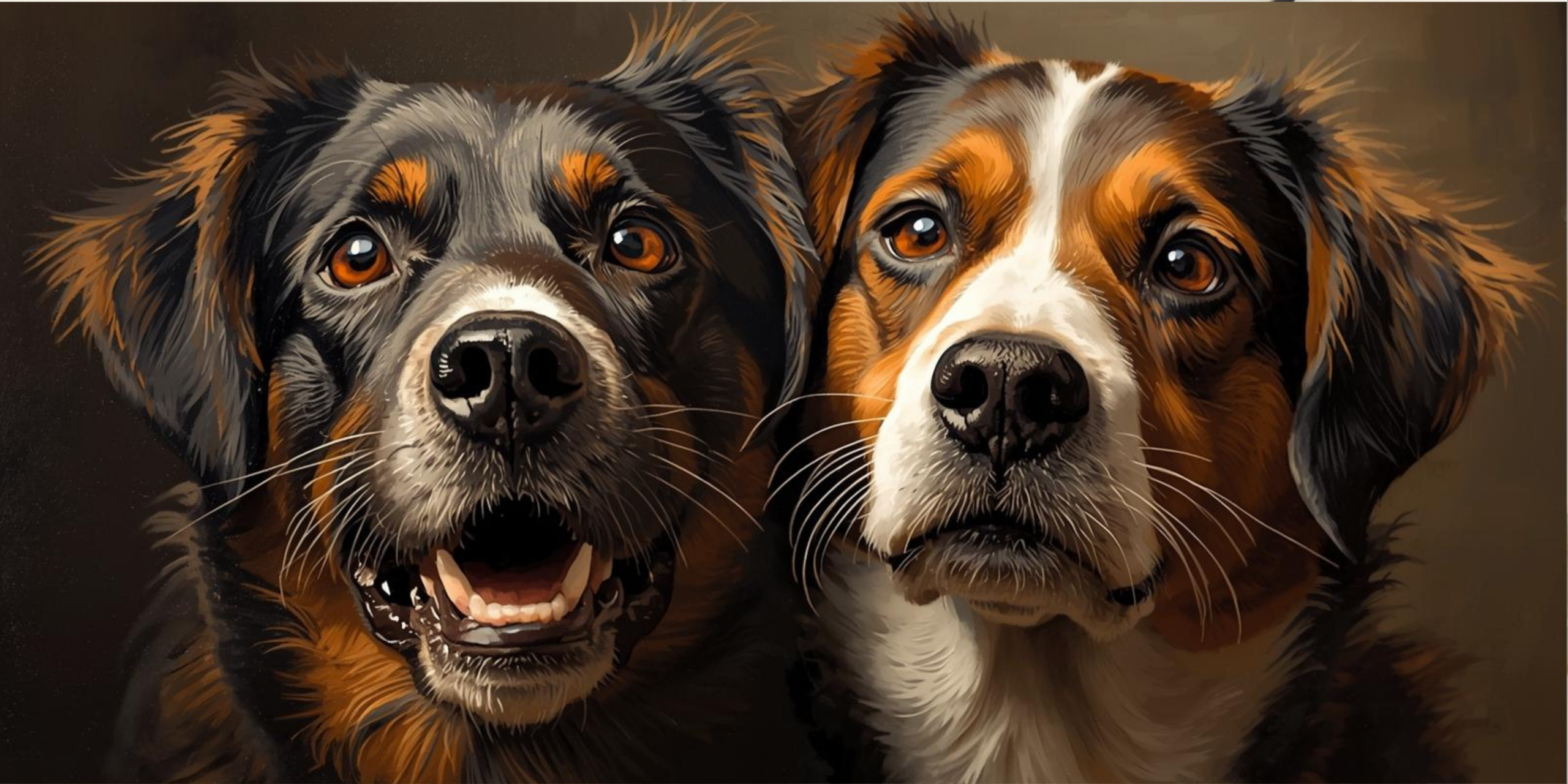
Dogs are often called man’s best friend, but their emotional lives are far more complex than many people realize. Anyone who has lived with a dog has likely seen behaviors that look suspiciously human—excitement, sadness, affection, and sometimes even jealousy.
From nudging your hand while you pet another dog to pushing between you and your phone, dogs clearly react to social situations. But are these real emotions or simply learned behaviors? Scientists and animal behaviorists have spent years studying how dogs think and feel, and the results are fascinating.
This article explores fun facts about dog emotions and social behavior, including whether dogs truly experience jealousy and how they interact with humans and other animals.
Do Dogs Really Feel Jealous?
Whether dogs are jealous or not is also one of the most controversial issues in the psychology of dogs. A lot of pet owners testify that they have witnessed it. When you pay attention to an alternate dog, it will whine or push away another pet or will attempt to climb onto your lap.
Interestingly, studies indicate that dogs may in fact exhibit jealous like behaviors. In one of the most renowned studies, dogs were very responsive when their owners seemed to show affection to another dog. Others attempted to squeeze between the owner and the competitor, and others were yelling or screaming.
Although scientists are also careful when referring to this emotion as it is in human case of jealousy, the evidence indicates that dogs do have a social reaction that is comparable to that of jealousy. This response probably developed to secure their attachment to their human partners which is crucial to their security and survival.
Dogs are very social creatures and the attachment with their owners is very crucial to the dogs. Once that relationship seems to be at risk, even of something innocent, their behavior is different.
The Emotional World of Dogs
Dogs do not necessarily think as humans, but they are impressive in the spectrum of their emotions. Research indicates that dogs are capable of having mundane emotions like a young child.
Dog emotions are some of the common ones such as:
- Happiness and excitement
- Fear and anxiety
- Affection and attachment
- Frustration
- Curiosity
Similar brain structures in human beings and other mammals control these emotions. As an illustration, the limbic system, which processes emotions, functions in dogs as in human beings.
The oxytocin, also known as the love hormone, is also released by dogs when they associate with their owners. It is the same chemical that reinforces relationships between parents and children. A rise in oxytocin may be experienced in both the dog and you when you look at their eyes or touch them.
This explains why the bond between humans and dogs can feel so strong and meaningful.
How Dogs Communicate Their Feelings
Dogs cannot speak human language, but they are excellent communicators. They express their emotions through body language, facial expressions, and vocal sounds.
These signals can be understood to enable the owners to relate well with their pets.
Typical emotional indicators are:
Tail movements
A tail wag is not necessarily a happy one. The rate, height and direction of the wag may be an indicator of excitement, nervousness or friendliness.
Ear position
Relaxed or slightly forward ears normally mean curiosity. Ears which are pinned back can be an indicator of fear or submission.
Eye contact
Trust and affection are commonly displayed by soft eye contact. Eye contact may indicate that the dog is uneasy or nervous.
Vocalizations
Barking, whining and growling have varying meanings, depending on the circumstances.
The dogs also have certain signals that are used subtly like licking their lips, yawning, or shaking their head. Stress or discomfort can be indicated by these signals.
Understanding how to read these behaviors is what enables the owner to react well and establish a better relationship with the dog.
Why Dogs Are So Social
The wolves evolved to become dogs as they are pack animals. Wild wolves live by hunting or hunting together with their pack to defend the territory and raise the young ones.
Dogs instinctively desire to have social associations due to this evolutionary history.
Although today dogs do not have to live in forests, but in houses, their brain still requires a social interaction. When they feel as part of a family or a group, they flourish.
This is why dogs often:
- Dog their masters all the rooms
- Sit close to people
- Freak out when left alone at length.
This is also a social instinct that can be used to explain the frequently strong reaction of dogs when attention is given to another pet. They desire to retain their status in the social group.
Fun Facts About Dog Social Behavior
The behavior of dogs is full of interesting peculiarities. Most of our daily activities, in fact, can be explained in interesting ways which are based on our intuition and feelings.
The following are some of the fun facts regarding the behavior of dogs in a social context.
Dogs Can Recognize Human Emotions
It has been found that dogs are able to read human expressions. They are able to distinguish between sad, angry and happy faces.
They are also sensitive to the tone of voice. When a cheerful voice is used, they may get excited, whereas a harsh voice can cause them to be nervous.
Other studies indicate that dogs learn to use a combination of visual and sound stimuli to comprehend the mood of their owners. This skill is useful in enabling them to react in a manner that enhances the human-dog relationship.
Dogs Sometimes Copy Their Owners
Dogs tend to imitate their living people. As an example, a house with a calm environment can result into relaxed dogs and the high-energy home can result in more active pets.
This act is referred to as social referencing. Dogs seek their owners to know how they can respond in new situations.
When an owner is seen to be relaxed when meeting a stranger, there is a high chance that the dog will also be relaxed.
Dogs Have Best Friends
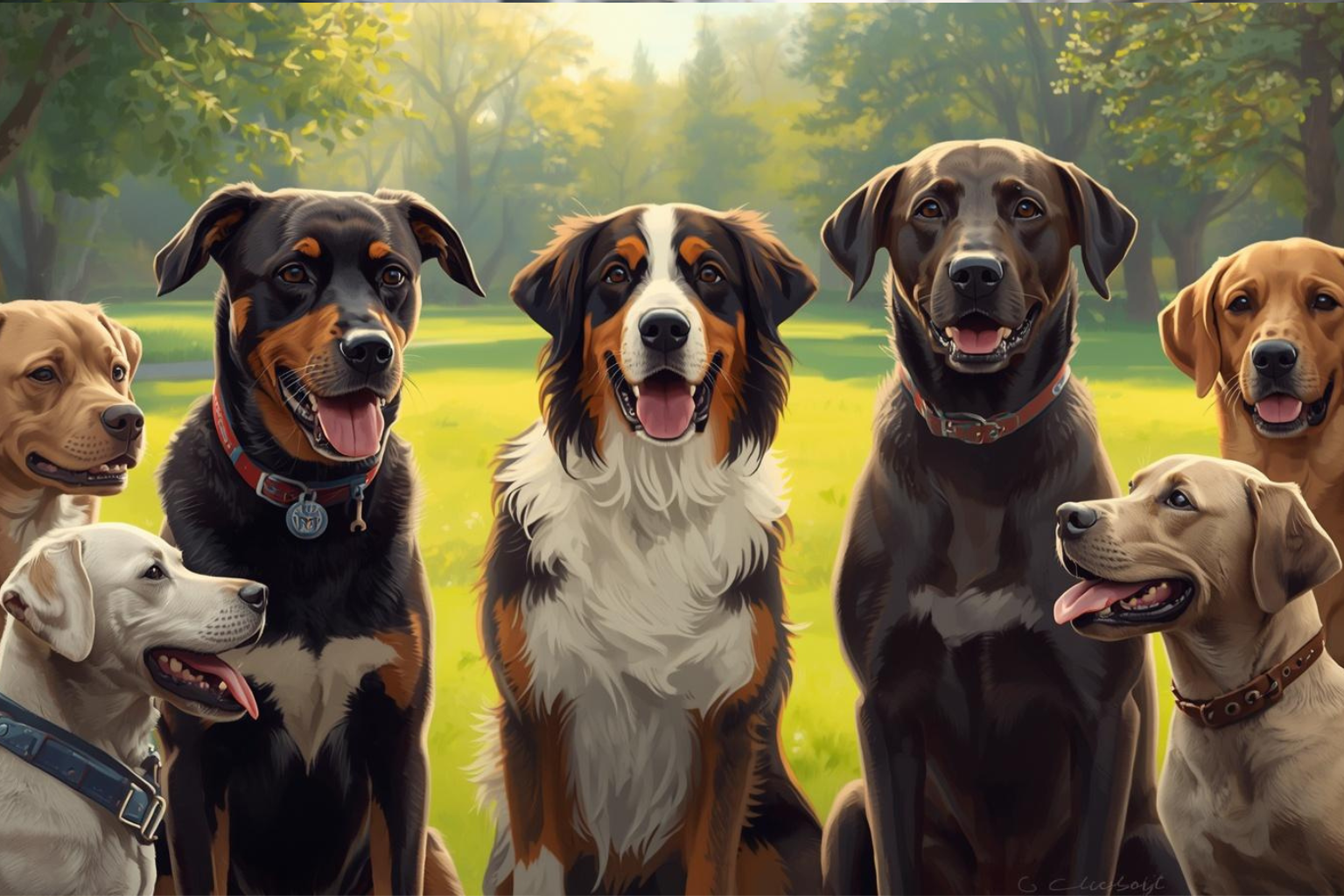
Dogs occasionally have special friendships just as human beings. When you observe dogs in parks or houses with multiple pets, you can see that some pairs are always playing with each other.
These friends of choice tend to have the same energy levels and play styles. Growing up together, dogs tend to establish very strong relationships.
These friendships may also be comforting and less stressful in the absence of the owners.
Dogs Use Play to Build Relationships
Play does not only involve fun to the dogs but also a significant social role.
When dogs play together, they often perform a behavior called the play bow, where they lower their front legs while keeping their back end raised. This signals that their actions are friendly and not aggressive.
Play helps dogs:
- Practice social skills
- Release energy
- Build trust with other dogs
Play is also important to puppies to learn limits and interaction skills.
Signs Your Dog Might Be Feeling Jealous
Although there are several arguments between scientists on the precise label, there are several dogs that exhibit behaviors that seem to be jealous.
Some common signs include:
- Squeezing between you and another animal
- Barking in the presence of other attention
- And leaping on your lap.
- Nudging or pawing your arm
- Efforts to disrupt communication.
This behavior is in most cases harmless. It may be problematic, though, when it results in aggression.
The most effective is to make the pets behave calmly and pay them personal attention. It might be possible to avoid jealousy-related troubles with training and routine.
How to Support Your Dog’s Emotional Well-Being
Dogs are emotional and social beings and as such, their mental health is as important as their physical health.
Here are some simple ways to support your dog’s emotional needs:
Provide Regular Interaction
Dogs require affection, play and attention.
Maintain a Consistent Routine
Regular feeding, walking, and playing regimens make the dogs feel safe.
Offer Mental Stimulation
Their minds are also kept active through puzzle toys, training and games.
Encourage Positive Social Experiences
Give your dog an opportunity to interact with other friendly dogs and people.
Avoid Punishment-based Training
Positive reinforcement increases trust and bond.
A happy dog is one that feels safe, stimulated, and connected to its family.
The Unique Bond Between Humans and Dogs
Dogs are one of the most impressive creatures due to their attachment to human beings. Millennia-long domestication has turned dogs into animals that perceive and react to human feelings in very specific manners.
They seek the help of others as sources of guidance, solace, and companionship. They in exchange, provide loyalty, love and emotional support.
Be it they are welcoming you with all the excitement at the door, lying down next to you, or pushing your hand as you pet another dog, all these show their complicated emotional lives.
Dogs do not feel exactly as human beings do, but their emotions are real and significant.








Leave a Comment