
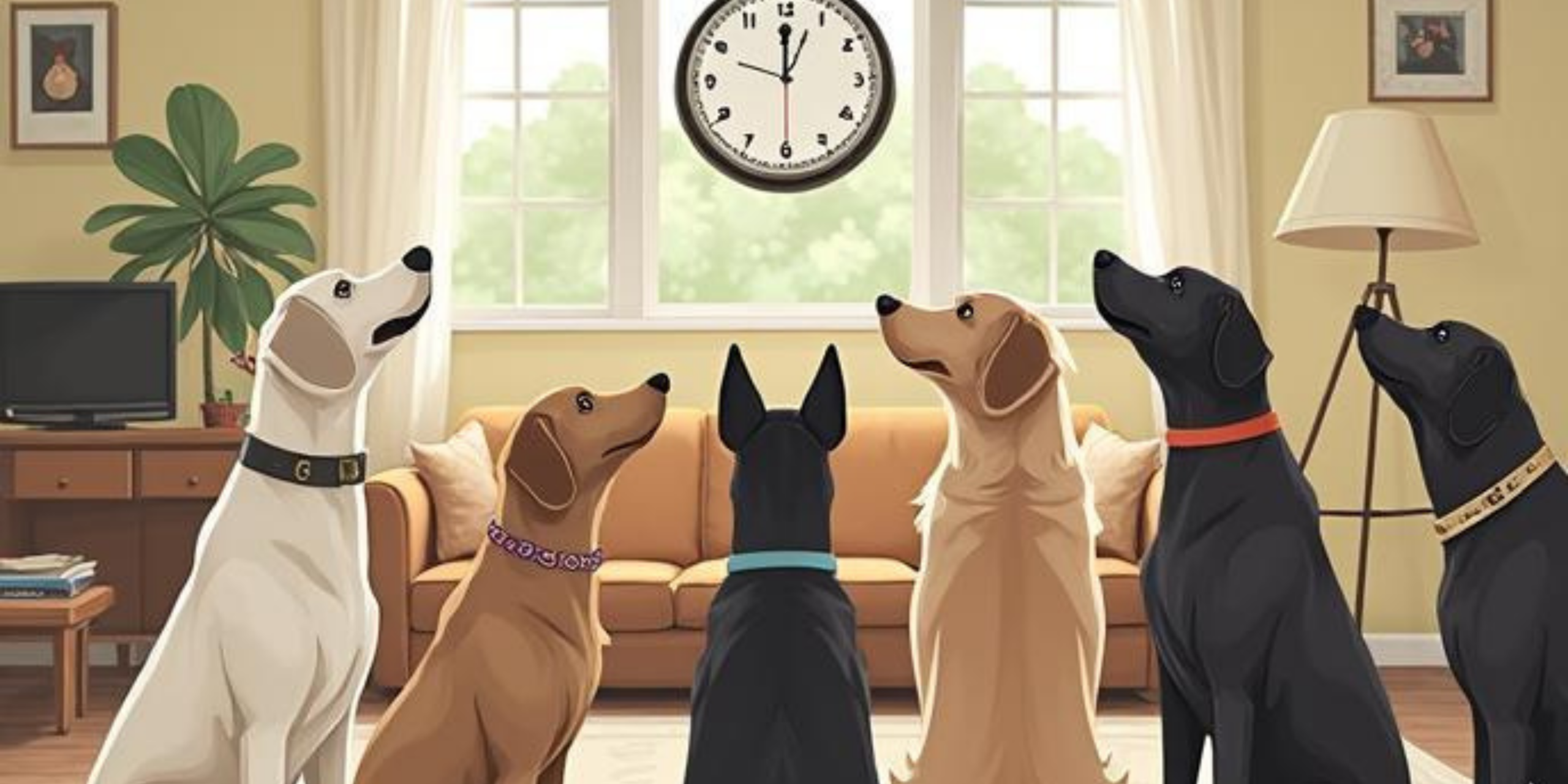
Dogs may not wear watches or read calendars, but any dog owner knows they have an impressive sense of timing. They seem to know exactly when it’s dinner time, when their favorite person is about to walk through the door, or when it’s time for their daily walk. This natural awareness of routine raises an interesting question: how do dogs sense time?
In this article, we’ll explore how dogs perceive time, how routine shapes their behavior, and what science says about their internal clocks. Understanding this can help you create a more balanced and happy life for your furry companion.
Do Dogs Understand Time the Way Humans Do?
Humans measure time using clocks, schedules, and calendars. We think in terms of minutes, hours, days, and years. Dogs, however, do not understand time in this structured way.
Instead, dogs experience time through:
- Biological rhythms
- Environmental cues
- Learned routines
- Emotional associations
Research into canine cognition suggests that dogs live more in the present moment. They don’t plan for next week or worry about yesterday in the same way humans do. However, this does not mean they lack a sense of time. In fact, their awareness is surprisingly advanced.
The Science Behind a Dog’s Internal Clock
Just like humans, dogs have circadian rhythms. These are 24-hour internal cycles that regulate sleep, hunger, hormone release, and energy levels.
Circadian rhythms are influenced by:
- Light and darkness
- Temperature
- Feeding schedules
- Activity patterns
It is not by chance that your dog gets up at the same time in the morning. Their physique has become accustomed to a certain order.
Dogs also rely heavily on their powerful sense of smell. As scents change throughout the day, they may use scent fading as a way to estimate time. For example, your scent is strongest when you first leave the house. As the day passes, it gradually fades. Some experts believe dogs use this scent change to predict when you’ll return.
How Dogs Use Routine to Predict Events
Dogs thrive on consistency. Routine gives them a sense of safety and control in their environment.
Daily Patterns Shape Expectations
If you feed your dog every day at 7 a.m., they will begin to anticipate food shortly before that time.
This anticipation may show up as:
- Sitting near their food bowl
- Following you around
- Barking or whining
- Increased alertness
This is not because they read the clock. Instead, their body and brain recognize patterns based on repeated experiences.
Repetition Builds Strong Associations
Dogs are experts in associative learning. When one event consistently follows another, they connect the two.
For example:
Alarm goes off – You wake up
You grab leash – Walk time
You put on working shoes – You go.
Over time, these patterns become deeply embedded. Your dog learns to predict what comes next, creating the appearance of “knowing the time.”
Do Dogs Feel the Passage of Time?
One of the most debated questions in animal behavior is whether dogs feel time passing.
Studies show that dogs do notice the difference between short and long absences. In one well-known study, dogs greeted their owners more enthusiastically after two hours apart compared to 30 minutes apart. This suggests they can distinguish between varying lengths of separation.
However, dogs likely don’t think, “My owner has been gone for three hours.” Instead, their emotional response grows stronger as the duration of absence increases.
This ability may be linked to memory. Dogs have what scientists call episodic-like memory. This means they can remember specific events, even if they don’t reflect on them the way humans do.
Separation Anxiety and Time Perception
Understanding how dogs sense time is especially important when dealing with separation anxiety.
Dogs who struggle with being alone often:
- Become destructive
- Bark excessively
- Pace or drool
- Show signs of stress
These behaviors often start shortly after the owner leaves, not necessarily because of long hours alone, but because the routine has changed. For sensitive dogs, even a small shift in schedule can feel overwhelming.
Predictability reduces stress. When dogs know what to expect, they feel safer. Sudden changes in feeding, walking, or sleeping schedules can disrupt their internal rhythm and increase anxiety.
The Role of Smell in Time Awareness
A dog’s sense of smell is tens of thousands of times stronger than that of humans. This extraordinary ability may play a key role in how they track time.
Scent intensity changes throughout the day due to:
- Airflow
- Temperature
- Movement
- Humidity
When you leave home, your scent begins to fade slowly. Some researchers believe dogs learn the pattern of scent fading and use it as a timing mechanism.
For example, if your scent usually fades to a certain level right before you return, your dog may associate that scent level with your arrival. This could explain why some dogs wait by the door shortly before their owner gets home.
How Aging Affects a Dog’s Sense of Time
Just like humans, dogs can experience cognitive decline as they age. Senior dogs may develop Canine Cognitive Dysfunction (CCD), which can affect memory and routine recognition.
Signs may include:
- Confusion at familiar times
- Sleeping more during the day
- Restlessness at night
- Forgetting established routines
Maintaining a consistent daily schedule becomes even more important for older dogs. Predictability helps them feel secure and reduces confusion.
How to Create a Healthy Routine for Your Dog
Since dogs rely heavily on routine to navigate their world, building a stable schedule is one of the best things you can do for their well-being.
Keep Feeding Times Consistent
Try to feed your dog at the same times each day. Regular meals support digestive health and reinforce their internal clock.
Schedule Daily Exercise
Walks, playtime, and mental stimulation should happen around similar times daily. Physical activity not only burns energy but also strengthens routine-based expectations.
Maintain a Stable Sleep Pattern
Dogs sleep a lot, but they still benefit from consistent sleep-wake cycles. Regular bedtime routines can help prevent restlessness.
Prepare for Schedule Changes
If you know your routine will change, ease your dog into it gradually. Small adjustments are easier for them to handle than sudden shifts.
Do Dogs Miss Us or Just React to Routine?
Many owners wonder whether their dogs truly miss them or simply respond to habit.
The answer is likely both.
Dogs form strong emotional bonds with their humans. Research has shown that when dogs interact with their owners, levels of oxytocin, often called the “bonding hormone,” increase in both species.
This emotional connection, combined with routine awareness, explains why dogs are so excited when you come home. It’s not just a scheduled event—it’s a meaningful reunion.
Living in the Moment: A Dog’s Unique Relationship with Time
One of the most beautiful things about dogs is their ability to live in the present. While they can anticipate events and recognize patterns, they do not dwell on the past or worry about the future.
Their perception of time is built on:
- Biological rhythms
- Sensory cues
- Learned associations
- Emotional bonds
By understanding how dogs sense time and routine, you can create a more structured, comforting environment for them. Consistency builds trust. Predictability reduces anxiety. And shared routines strengthen your bond.
In the end, dogs may not understand time the way humans do—but they understand connection, habit, and the comforting rhythm of daily life. And for them, that’s more than enough.









Leave a Comment