
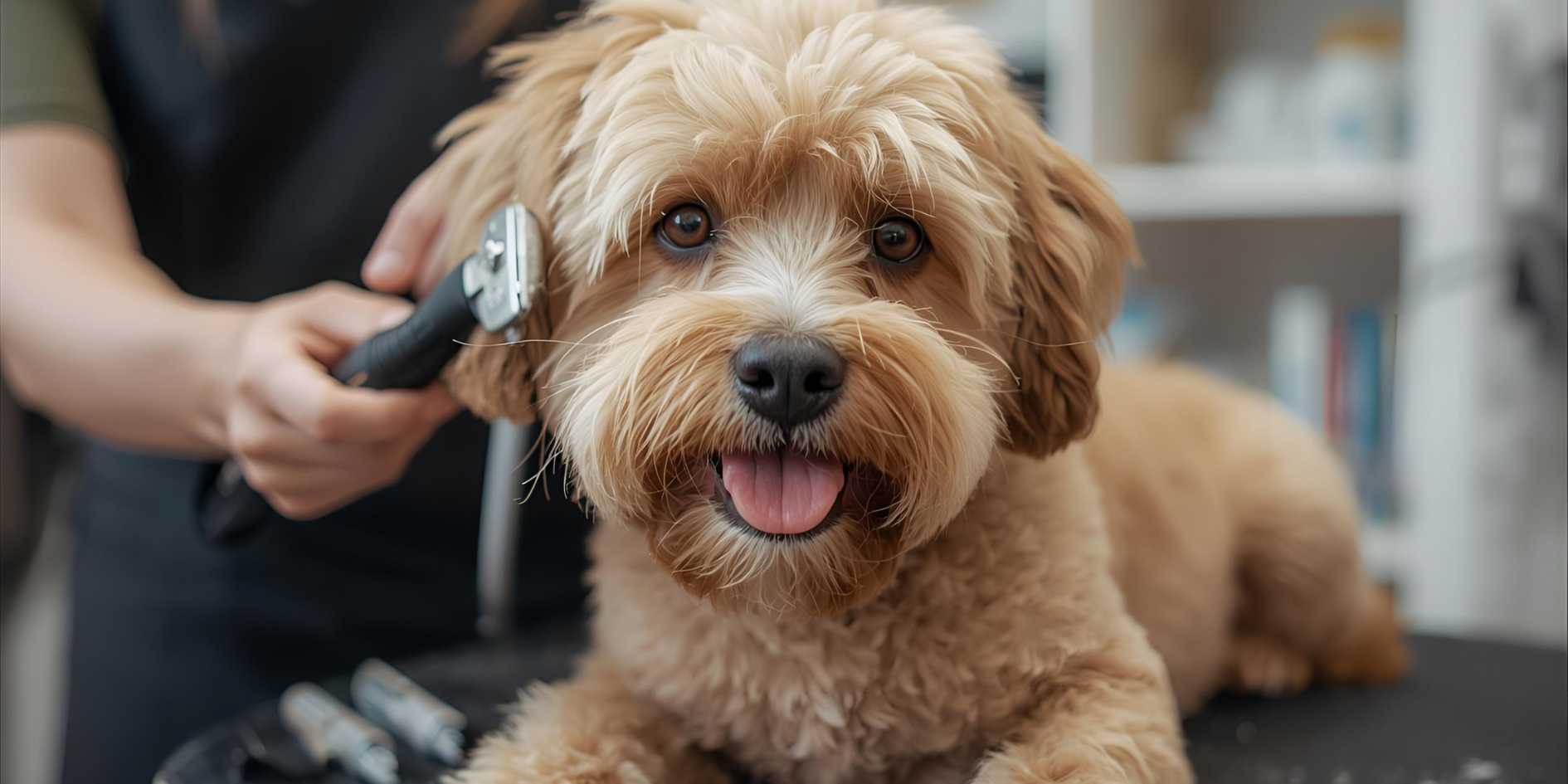
Proper grooming of a dog is one of the best responsible dog ownership practices. Grooming is not merely about having your dog looking cute, it also helps in keeping their skin, coat, teeth and health in general. Nevertheless, the question that many dog owners still ask is; How often does a dog need to be groomed?
The response varies depending on a number of factors such as the type of coat, breed, way of life and the specific grooming service required. This is the ultimate guide that allows you to know all the things you must know in order to establish the best grooming schedule ever in relation to your furry friend.
Why Regular Grooming Matters
It is necessary to know why regular grooming is so necessary before immersing oneself in timescales. Grooming is not just cosmetic; it has direct influence on the well-being of your dog.
Prevents Matting and skin problems
Medium or long coated dogs can easily get tangles and mats. Mats have the ability to trap dirt, moisture, and bacteria, which causes painful skin infections. This is averted by regular grooming.
Keeps the Coat Healthy
Brushing spreads natural oils all over the coat, thus keeping it shiny and avoiding drought or dermatitis.
Early Detection of Health Problems
Groomers also have the ability to detect any problems that the owner may overlook like lumps, skin growths, hotspots, ear infections, and parasites.
Supports Nail and Paw Health
Long nails may be uncomfortable, change the structure of feet or even become joint issues. Groomers make sure that nails are trimmed.
Reduces Shedding
Regular brushing and deshedding services can reduce the amount of loose hair around your house by a long distance.
How Often Should a Dog Be Groomed?
In the majority of dogs, grooming is necessary after every 4-8 weeks, although it depends on the type of coat and breed. The brushing, however, must be done much more often–once a day.
The frequency of grooming by the type of coat is listed below.
Grooming Frequency by Coat Type
Breeds that are short-haired (Beagles, Boxers, Pugs)
Professional grooming: Every 8-12 weeks.
Brushing: Once a week
Bathing: Every 4-6 weeks
The dogs with short hair do not need much grooming, although they also need regular attention. Brushing will get rid of loose fur and shedding will be kept under control. Baths and nail trimming should be done occasionally to maintain good hygiene.
Medium-Haired Dogs (Golden Retrievers, Border Collies)
Professional grooming: Once in 6-8 weeks.
Brushing: 2-3 times per week
Bathing: Every 4-6 weeks
These dogs shed more and are likely to be tangled. Regular brushing will help avoid mats, and grooming sessions will ensure that the coat is managed and shedding is not too problematic.
Long-Haired Dogs (Shih Tzus, Maltese, Yorkshire Terriers)
Professional grooming: Once every 4-6 weeks.
Brushing: Every day or at least 4-5 days a week.
Bathing: Every 3-4 weeks
The maintenance of long coats is the most demanding. These dogs have the potential to get entangled in knots and mats very soon unless they are brushed regularly. Majority of the long-haired breeds require regular haircuts so that their hair is comfortable and easy to handle.
Curly or Wavy-Haired Dogs (Poodles, Doodles, Bichon Frises)
Professional grooming: Once every 4-6 weeks.
Brushing: Daily
Bathing: Every 3-4 weeks
Curly coats are also good traps of dirt and they can easily get matted unless they are brushed regularly. Professional grooming should be performed regularly in order to avoid extreme matting.
Double-Coated Dogs (German Shepherds, Huskies, Akitas)
Professional grooming: Once in 6-8 weeks.
Brushing: Brush many times a week, particularly in shedding seasons.
Bathing: Every 6-8 weeks
The breeds with a double coat shed their coat on a seasonal basis. Deshedding treatment by a professional minimizes loose hair as well as keeps the undercoat in good health.
How Often to Groom Based on Specific Needs
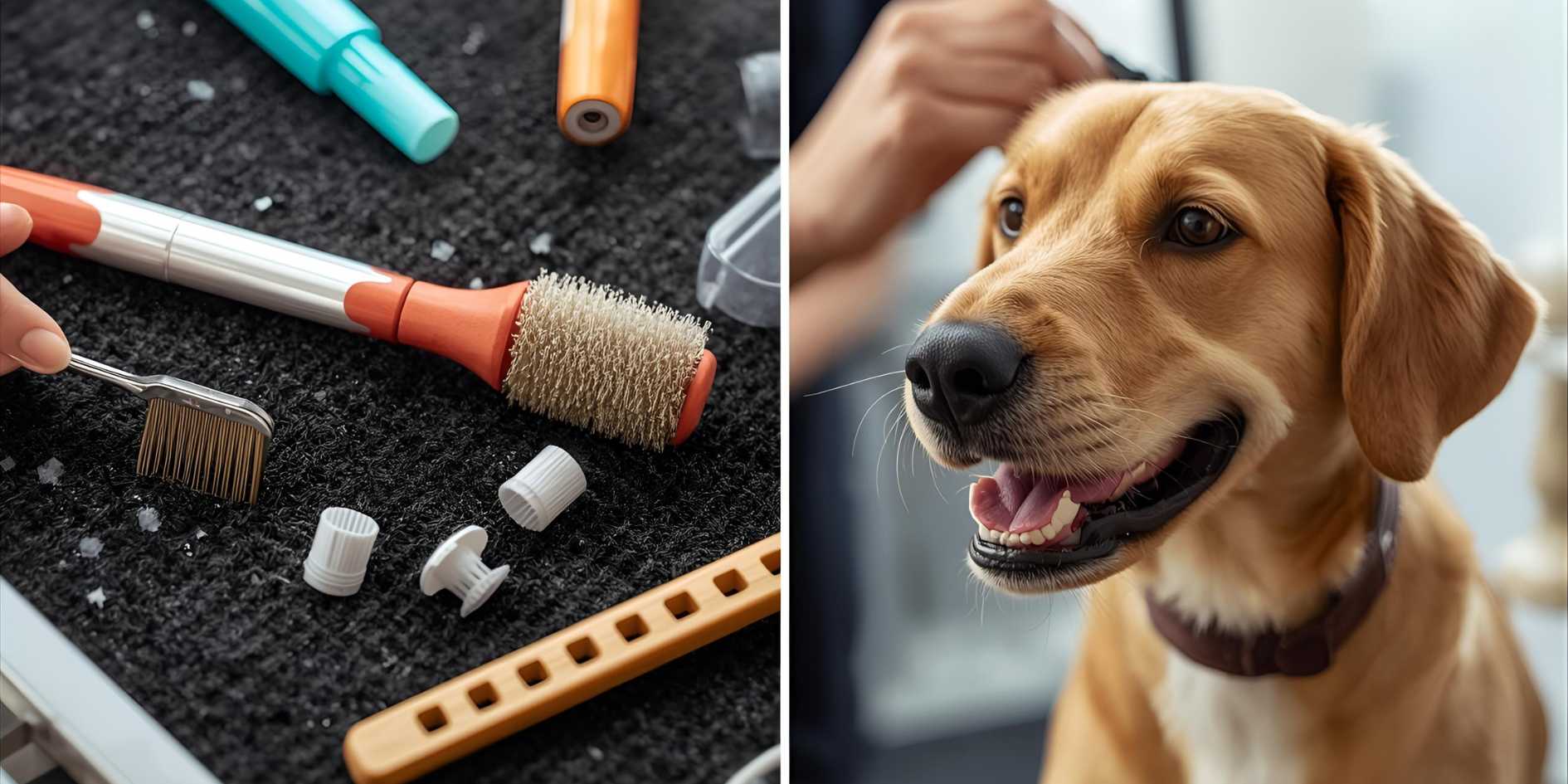
Besides the type of coat, various grooming chores also have schedules that are recommended.
Bathing Frequency
The majority of dogs require bathing after every 4-6 weeks but it depends on:
- Coat length
- Activity level
- Skin conditions
- Allergies
Do not over-bath because this may de-oil the natural oils leaving it dry.
Brushing Frequency
Short coats: Weekly
Medium coats: 2-3 times per week
Curly or long coats: Daily
Between grooming sessions, the most convenient method of keeping the coat healthy is by brushing.
Nail Trimming Frequency
- A majority of the dogs require trimming of nails after every 3-4 weeks.
- When you hear clicking on the floor, then the nails are too long.
- Growing nails may cause pain or cause posture difficulty.
Ear Cleaning Frequency
- Dogs having floppy ears or ears having hair in the ear canals are more likely to be infected.
- Clean ears once every 2-4 weeks, or even more frequently, as advised by a vet.
Teeth Brushing Frequency
- The health of a dog in the long term depends on dental care.
- Brush teeth every day or no less than 3-4 times a week.
Grooming Schedule for Popular Dog Breeds
The following are grooming schedules that are suggested to some of the most common breeds:
Labrador Retriever
- Groom every 6-8 weeks
- Brush 2-3x weekly
German Shepherd
- Groom every 6-8 weeks
- Brush 3-4x weekly
Poodle / Goldendoodle
- Groom every 4-6 weeks
- Brush daily
Signs Your Dog Needs Grooming More Often
Despite the schedule, there are dogs that might require grooming earlier.
Watch for these signs:
- Mats or tangles forming
- Strong Odor
- Excessive shedding
- Dirty ears or discharge
- Long nails
- Greasy or dull coat
- Visible dirt or debris
When you notice any of these, do not wait, book a grooming appointment.
How Lifestyle Affects Grooming Frequency
The grooming is not a universal one. The habits of your dog affect the level of its daily maintenance.
Active dogs
The dogs which spend much time outside accumulate more dirt and debris and thus need more frequent bathing and brushing.
Allergy-prone dogs
May needs to take medicated baths or special grooming.
Show dogs
Should be groomed regularly to have a clean coat.
Senior dogs
Frequently demand more sensitive and sensitive grooming because of the sensitivity of the skin.
Professional Grooming vs. At-Home Grooming
Professional Grooming Benefits
- Knowledge in the management of various coats.
- Appropriate equipment (clippers, deshedding equipment, special shampoos).
- Skill to identify health issues.
- Comprehensive cleaning and finishing.
At-Home Grooming Benefits
- Cost-effective.
- Learn to trust your dog.
- Enables the brushing and maintenance to be done more often.
Ideally, implement a mix of the two, that is, brush at home, and professional brush at scheduled time.








Leave a Comment