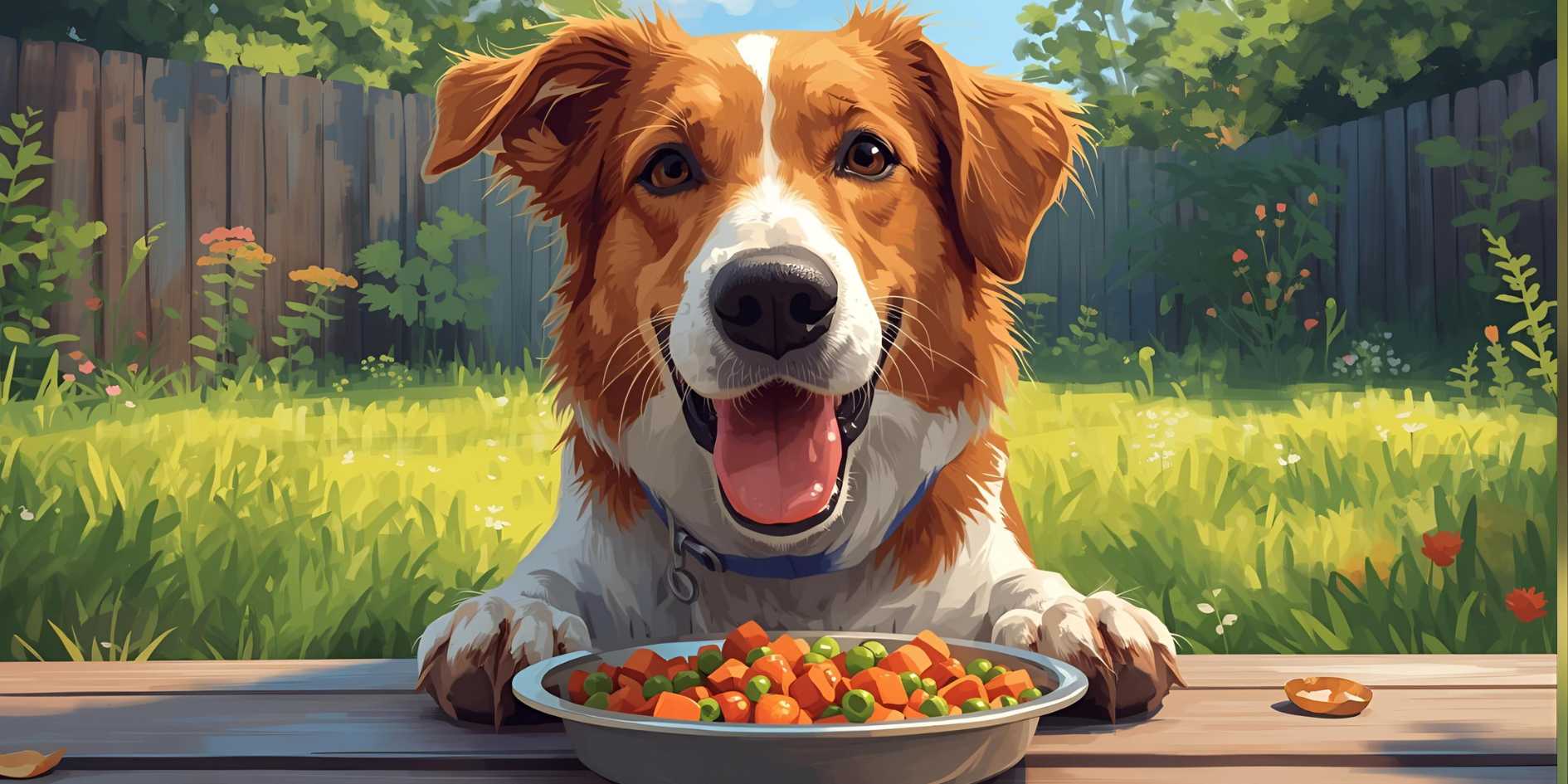
One of the most significant sources of overall well-being of a dog is the healthy gut. With a well-functioning digestive system, you will be able to see increased levels of energy, healthier skin and coat, reduced stomach problems and even improved mood and behavior in a dog. However, when the gut is imbalanced, diarrhea, allergies, anxiety and more can become an issue.
This is a guide that simplifies, gives practical, and science-based methods of enhancing the gut health of your dog in an easy and approachable language to the dog owner who desires the best of his or her pets.
Why Gut Health Matters for Dogs
Trillions of bacteria, fungi and other microorganisms- collectively termed the gut microbiome- live in the gut of your dog.
The roles of these microbes are critical such as:
- Digesting food properly
- Producing vitamins
- Immuno-stimulating
- Skin, coat Healthy skin and coat
- Controlling moods and stress.
Poor gut health can lead to:
- Gas and bloating
- Irregular bowel movements
- Food sensitivities
- Chronic itching
- Low energy
- Fear or psychological problems
- Frequent infections.
By making the effort to take care of the digestive system of your dog, you are helping nearly all the parts of the dog.
Feed a High-Quality, Digestible Diet
Choose Real, Whole Food Ingredients
Dogs are fond of feeding on diets that are high in real meat, vegetables and carbohydrates that are readily digestible.
Look for dog foods that list:
- A named protein source (e.g., salmon, chicken etc.) as the first ingredient.
- Entire vegetables such as sweet potato, pumpkin or peas.
- Sparing fillers and artificial additives.
Avoid food whose ingredients are not specific such as meat by-product, artificial coloring, or chemical preservatives.
Consider Your Dog’s Life Stage and Size
Different dogs have varying nutritional requirements such as puppies, adults and seniors. Breeds with large frame sizes might require joint supporting formulas and the smaller breeds might require kibble containing high caloric content. A diet which is well-adjusted will digest better and cause less stress to the gut.
Try Limited Ingredient Diets for Sensitive Dogs
In case your dog has a chronic digestive issue, a limited ingredient diet (LID) can be used to determine food allergies and decrease inflammation.
Add Probiotics and Prebiotics
What Are Probiotics?
Probiotics are useful bacteria and they aid in balancing the gut.
They can:
- Improve stool quality
- Reduce diarrhea
- Boost the immune system
- Digestive problems associated with stress.
Find dog specific probiotic supplements which include Lactobacillus and Bifidobacterium.
What Are Prebiotics?
Prebiotics are food fibers which nourish beneficial bacteria.
Examples of dog-safe prebiotics are:
- Inulin
- Fructooligosaccharides (FOS)
- Chicory root
- Pumpkin
Probiotics + prebiotics (so called synbiotics) can deliver the best results.
Natural Foods with Probiotic Benefits
Probiotic properties are found in some of the safe, natural foods, including:
- Plain, unsweetened yogurt
- Kefir
- Fermented vegetables (in small quantities and dog friendly)
Always introduce new foods slowly to avoid stomach upset.
Support Healthy Fiber Intake
Fiber plays an essential role in the digestive system, such as maintaining bowel movements, nourishing the good bacteria and it may help in diarrhea and constipation.
Best Sources of Fiber Dog-Friendly
- Pumpkin puree
- Green beans
- Sweet potatoes
- Oats
- Blueberries.
Choose foods that are whole and unprocessed, and add them gradually to avoid gas or bloating.
Soluble vs. Insoluble Fiber
- Soluble fiber takes up water and becomes gel-like in consistency (diarrhea).
- Fiber that is not soluble provides bulk to stool and contributes to motility (good against constipation).
A combination of both assists in sustaining the gut health in the long term.
Keep Your Dog Hydrated
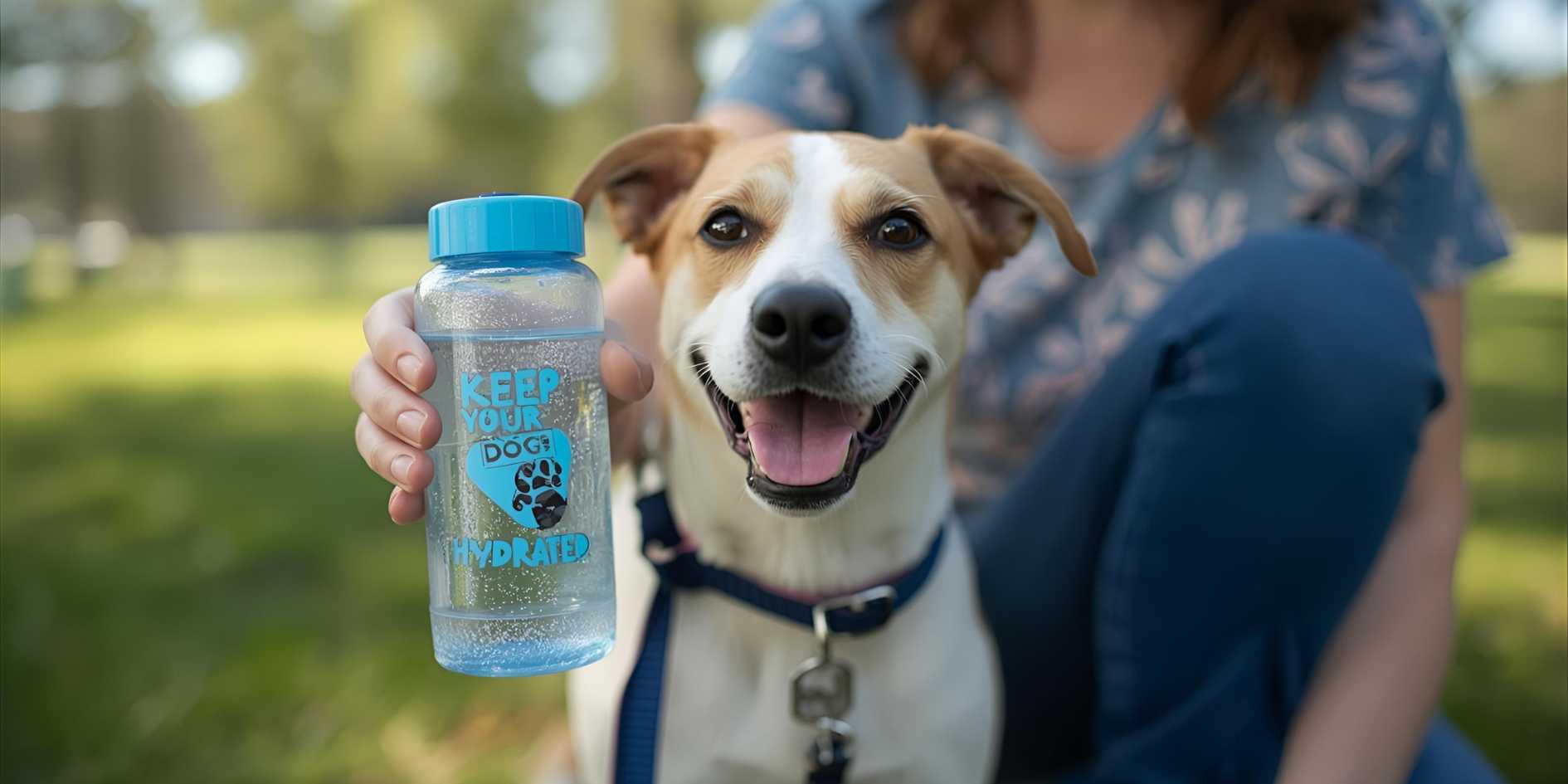
Water is a very fundamental component of digestion, absorption of nutrients and healthy bowel movements. Most households are dry indoors or have air conditioning, which may also predispose dehydration.
Tips to Improve Hydration
- Deliver freshwater in various areas.
- Add water/bones broth to food.
- Buy a dog water fountain in case your dog likes running water.
- Do not take broths containing onions, garlic, salty or added seasonings.
Encourage Regular Exercise
Exercise boosts digestion and aids in the passage of food in the gastrointestinal tract. Stress is also decreased by exercise, and it is directly connected to gut health.
Daily Movement Goals
Most dogs benefit from:
- Two 20–30-minute walks per day
- Short play sessions
- Mental enrichment (to lessen digestive problems brought by stress).
Gut-Supportive Activities
- Fetch
- Swimming
- Hiking
- Agility play
- Sniff walks.
The movement of even indoor dogs should be regular.
Avoid Overusing Antibiotics
Antibiotics are lifesaving but they also kill good bacteria in the gut.
Overuse may lead to:
- Diarrhea
- Yeast overgrowth
- Weakened immune system
- Heightened food sensitivity.
Do not administer antibiotics without the recommendation of a veterinarian and take them correctly.
Pro Tip:
Intake of a probiotic supplement should be done after any course of antibiotic therapy and should continue to a minimum of 4-6 weeks to aid in restoring gut balance.
Reduce Stress to Improve Digestion
A dog is also affected by stress just like human beings. The gut-brain axis implies that emotional stress can cause digestive disorders.
Common Stress Triggers
- Loud noises
- Changes in routine
- Living alone in the long term
- New environments
- Other household pets.
Ways to Reduce Stress
- Keep up with a regular habit.
- Offer psychological stimulation on a daily basis.
- Use soothing aids (thunder jackets, calming chews or pheromone diffusers)
- Be very generous with love and assurance.
- Calmer dogs are more likely to have a healthy digestion with fewer cases of upset-stomach.
Eliminate Common Gut Irritants
Some ingredients can trigger inflammation or disrupt the microbiome.
Ingredients to Avoid
- Artificial colors
- Preservatives such as BHA, BHT and ethoxyquin are chemical
- Too much corn, soy or wheat fillers
- High-fat table scraps
- Hot or highly spiced food.
Common Foods That Are Not Dog-Friendly
- Fast food
- Fried chicken
- Pizza crust
- Ice cream
- Onion or garlic foods.
These may result in gas, diarrhea and chronic digestive problems.
Use Supplements That Support Digestive Health
A number of supplements can help enhance the gut health of your dog in the case of proper use.
Digestive Enzymes
Aid in food digestion, particularly useful to the aged dog or dogs with pancreatic insufficiency.
Omega-3 Fatty Acids
Lessen gut inflammation and promote skin and coat condition. Select canned dog-specific fish oil.
Slippery Elm
A natural herb that calms down the digestive system and aids minor diarrhea or constipation.
Never take up new supplements without consulting your veterinarian.
Keep Up with Routine Vet Visits
Digestive issues can sometimes point to underlying conditions such as:
- Parasites
- IBD (Inflammatory Bowel Disease)
- Food allergies
- Pancreatitis
- Thyroid disorders.
Regular vet checkups typically once or twice per year help catch problems before they get serious.
Gradually Introduce Any Dietary Changes
Among the most frequent causes of digestive distress in dogs, sudden food changes are singled out.
Safe Transition Schedule
Days 1-3: 75% old food + 25% new food
Days 4-6: 50% old food + 50% new food
Days 7-9: 25% old food + 75% new food
Day 10: 100% new food
Slow changes help the microbiome adjust smoothly.





Leave a Comment