
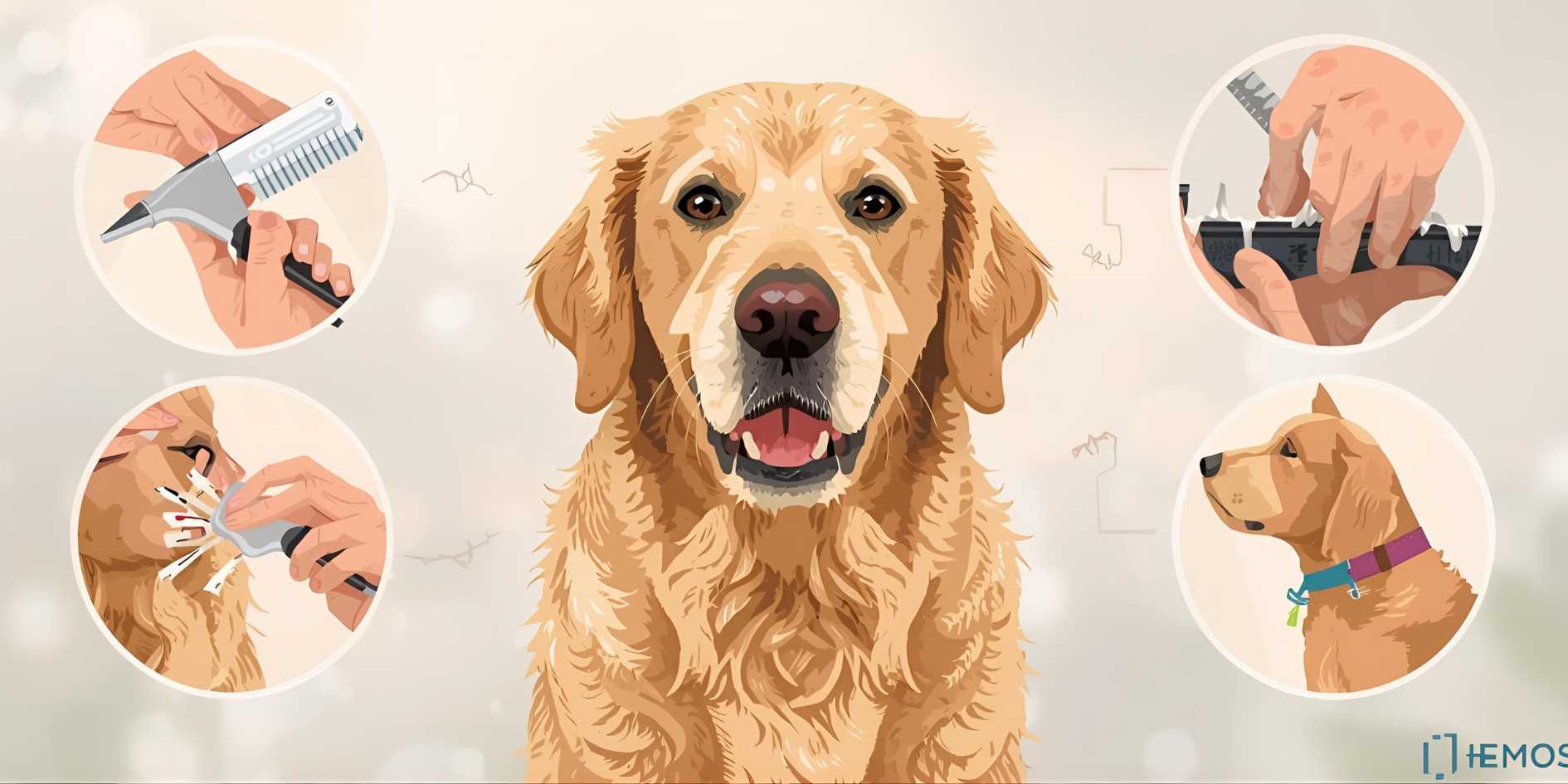
Grooming is very necessary to the health and comfort of your dog and not all dogs like to be groomed. There are those dogs, which get anxious, fearful, and even aggressive at the sight of grooming tools, when they hear clippers or even visit a groomer.
It is due to this that there are numerous owners that are concerned about how to sedate a dog during grooming. Before considering sedation, it’s important to understand what it means, when it’s appropriate, and why a veterinarian must always be involved.
This guide provides a thorough, easy-to-understand explanation of safe calming options, when sedation may be recommended, and how the process works—without offering medical instructions you should never attempt at home.
Why Some Dogs Need Sedation for Grooming
Each dog is an individual personality and grooming is a stressful process because of various reasons.
Sedation can be taken into consideration in the event that your dog exhibits:
Severe Anxiety
Shaky dogs, over-panting dogs and running away dogs could be experiencing severe fear.
Aggression or Reactivity
The grooming may be unsafe to both the dog and the groomer, as the dog may growl, snap, or bite.
Medical or Mobility Issues
Dogs that are old or dogs that are in pain may require assistance to remain calm and still.
Traumatic Past Experiences
Dogs that have had a bad history with grooming may get out of control during grooming.
Extreme Sensitivity to Noise or Handling
It is all overwhelming with clippers, dryers, brushing.
The first resort should not be sedation, but in some cases, it is the only safe choice in regard to dogs.
Is It Safe to Sedate a Dog for Grooming?
Yes- when performed by a licensed veterinarian.
Medical procedure in the event of sedation of a dog involves:
- Proper examination.
- Information on the health history of the dog.
- Right type and dosage of medication.
- Monitoring for reactions.
Trying to calm a dog down with home medicines, OTC drugs, or online recommendations may be threatening and fatal. Always consult your vet.
Types of Sedation Used for Dog Grooming
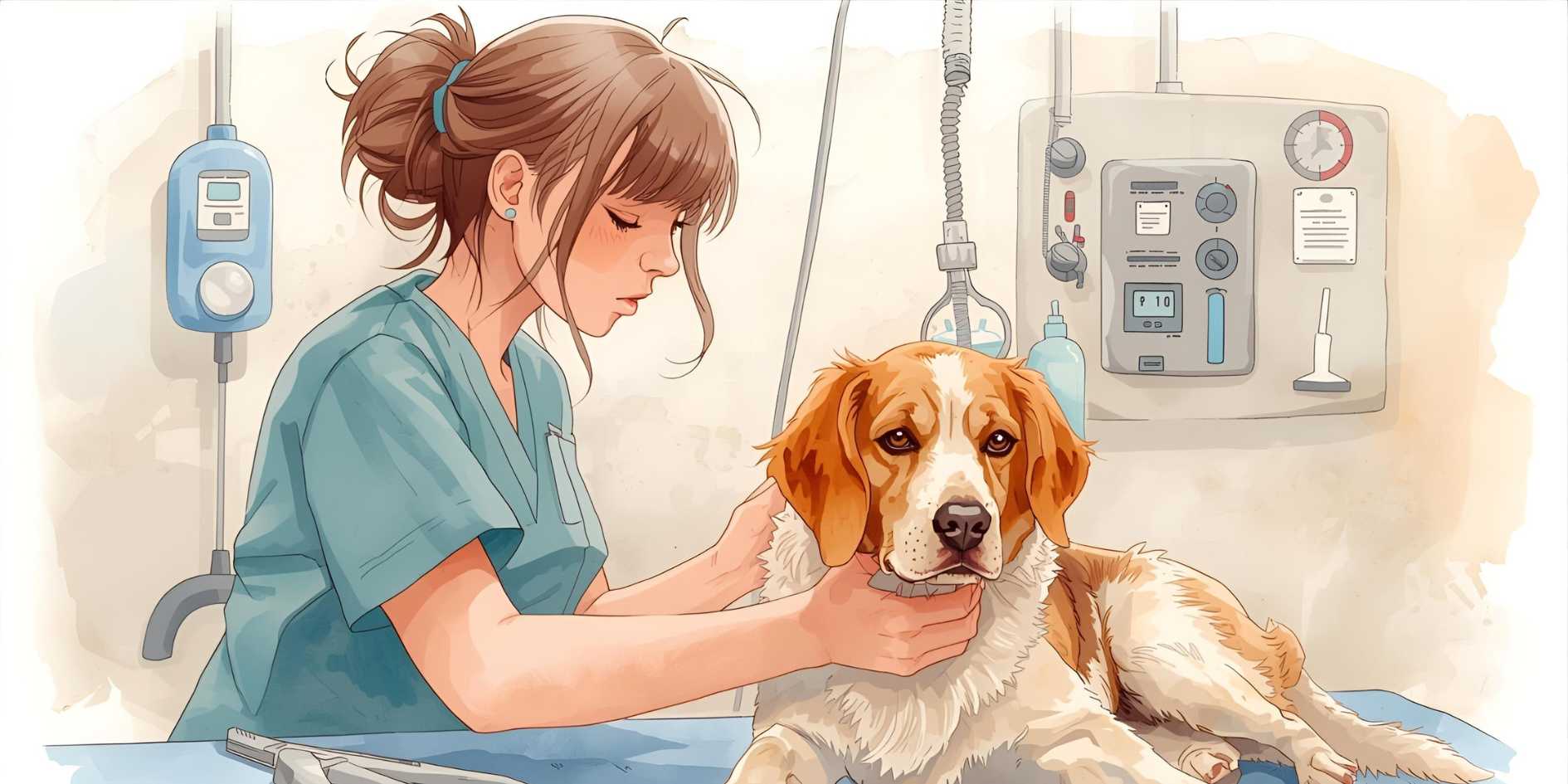
Sedation or calming aids are of several levels. Depending on the size of your dog, health, age and behavior, veterinarians will select one.
Mild Calming Aids (Vet-Approved)
- Natural supplements
- Pheromone sprays or collars
- Calming chews.
These relax the anxiety, but do not completely put the dog to sleep.
Prescription Anti-Anxiety Medications
A vet might give out medication that would help the dog get calm during grooming as well as reduce fear. The medications should be taken in the way they are prescribed.
Moderate Sedation
Given by a veterinarian, commonly to treat:
- Highly anxious dogs
- Dogs with aggression
- Dogs that are too impatient to be groomed.
At this level, it is possible to groom safely without panic.
Heavy Sedation or Anaesthesia
Only in the situations when it is medically necessary to groom and then it is impossible. Only in a veterinary clinic, it is carried out and is closely monitored.
How a Veterinarian Determines the Right Sedation Method
A proper vet evaluation includes:
Health Screening
Your vet checks for:
- Heart issues
- Breathing difficulties
- Allergies
- Medication conflicts
Behavior Assessment
The vet will take into consideration the response of your dog during handling and whether there can be mild alternatives.
Previous Sedation History
When your dog has been previously sedated, the vet will check the reaction of your dog.
Weight and Age
These have an influence on dosing and safety.
Sedation is custom made to suit your dog- there is no one size fits all.
Safe Alternatives to Sedation for Grooming
Most owners have experimented with other sedation methods before they settle on sedation. They are non-invasive, non-threatening and in many cases effective.
Desensitization and Counterconditioning
You can progressively introduce your dog to grooming tools and reward calm behavior so that the dog can learn not to be afraid of grooming.
Tips:
- Allow the dog to smell brushes and clippers.
- Switch on clippers at a distance, and reward calmness.
- Gently touch the paws, ears, and tail.
Gradually, the dog gets to know that grooming is not a scary event.
Exercise Before Grooming
An extended stroll or play is also an effective means of getting rid of inertia and anxiety.
Use of Calming Products
- Pheromone diffusers
- Anxiety wraps
- Calming music.
These are capable of making the atmosphere more relaxing.
Professional Fear-Free Groomers
There are also reactive or anxious dog groomers, and they also work with positive methods that are very gentle.
Groom at Home if Possible
Stress can be minimized by calm familiar surroundings.
In the event that none of these are successful, your vet could talk of sedation.
How to Prepare Your Dog for Vet-Approved Sedation
In case the veterinarian decides that the patient requires sedation, then you will have to take his/her word.
Follow Fasting Instructions
Certain forms of sedation will not allow your dog to eat a number of hours. The vet will know just how long.
Keep Your Dog Calm Before the Appointment
Stressful activities should be avoided prior to sedation.
Provide Full Medical History
Inform the vet about:
- Previous drug reactions
- Allergies
- Anything that is added to your dog
- Past illnesses.
Ask Questions
Don't hesitate to ask the vet:
- How long the sedation lasts?
- What are the side effects to observe?
- What aftercare is required?
Clear communication ensures the process is safe.
What Happens During Sedated Grooming
If grooming is done at a vet clinic or a groomer who works with veterinary staff, the process typically includes:
Monitoring Vital Signs
During the grooming, a professional monitors the heart rate, breathing and body temperature.
Gentle Handling
Dogs are also handled very carefully even when they are under sedation.
Completing Essential Grooming Tasks
This may include:
- Nail trimming
- Bathing
- Brushing or shaving
- Ear cleaning.
These steps can be performed effectively and safely with the help of sedation.
Aftercare: What to Expect After Your Dog Is Sedated
It will take time before your dog can recover after the grooming process.
Grogginess
The slight disorientation or drowsiness is normal within some hours.
Reduced Appetite
You will not find your dog hungry before he is quite awake.
Limited Activity
Keep your dog inside and do not run or use stairs until it wakes up.
Follow Vet Instructions
The type of sedation may have certain aftercare measures given.
Contact your vet immediately in case of vomiting, difficulty in breathing or abnormal behavior.



Leave a Comment