

Dogs are often called “man’s best friend,” and for good reason. Millions of families share their homes with dogs that are loving, loyal, and protective. However, when this topic comes up “What is the most dangerous dog breed?” it usually sparks strong opinions, fear, and misinformation.
The truth is more complex than naming one breed and labeling it dangerous. Dog behavior is influenced by genetics, training, socialization, environment, and ownership. Still, some breeds are more frequently involved in serious attacks due to their size, strength, or historical purpose.
This article explains the topic clearly and responsibly, using facts not fear to help readers understand the real risks.
Understanding What “Dangerous” Really Means
It is worth determining what dangerous means before making particular breeds.
Factors That Make a Dog Potentially Dangerous
Mostly, a dog is considered to be in danger according to:
- Bite strength and physical strength
- Size and weight
- Guarding instincts or protective instincts
- Territorial behavior
- Poor training or neglect
- Lack of socialization.
It is a dangerous situation that tends to arise when several risk factors intersect, rather than just due to breed.
Is There One “Most Dangerous” Dog Breed?
The Short Answer: No Single Breed Is Universally the Most Dangerous
There is no scientific consensus that one dog breed is inherently the most dangerous. However, statistics from dog bite reports show that certain breeds are more often involved in severe or fatal attacks.
This does not mean these dogs are naturally aggressive. It means that when attacks happen, the consequences can be more serious due to physical strength.
Dog Breeds Most Often Linked to Serious Attacks
The following are some of the breeds that are used in public safety reports and insurance records. This is not the list to judge these dogs, and it is only to state why they should be taken in responsible hands.
Pit Bull–Type Dogs
Why They Are Often Labeled Dangerous
The most common example of a dangerous dog breed is Pit Bulls.
This is mostly a label that is brought about by:
- Their muscular build
- Strong jaw strength
- Past of being raised to fight (not nowadays)
Following several researches, Pit Bull-type dogs are overrepresented in the number of fatal dog bites.
Important Context
- Pit Bull is not a breed, but a group.
- A large number of Pit Bulls make good family pets.
- Aggressive behavior is largely contributed to by poor ownership and abuse.
Rottweiler
The reason why Rottweilers are regarded as high risk.
Rottweilers are heavy dogs which are powerful in nature and which were initially used to protect animals and property.
Key traits include:
- Powerful instincts of protection.
- High intelligence.
- Inherent suspicion of outsiders.
Rottweilers may be aggressive when they are not properly trained or cared about.
Strength and Bite Force
The bite force of Rottweilers is one of the highest among other breeds of dogs, and it is even more dangerous when they attack.
German Shepherd
A Working Dog with High Responsibility
German Shepherds are widely used in:
- Law enforcement
- Military work
- Search and rescue
They are:
- Extremely intelligent
- Loyal
- Highly protective
Why They Can Be Dangerous
German Shepherds can develop: without adequate training and mental stimulation:
- Anxiety
- Territorial aggression
- Fear-based reactions
Attacks may be harsh due to their magnitude and power.
American Bulldog
Powerful and Athletic
American Bulldogs are powerful and active dogs that are used to work on the farms and to protect people.
They are:
- Confident
- Physically dominant
- Highly protective of family
Risk Factors
American Bulldogs can be aggressive to strangers or other animals in case owners fail to build leadership or socialization.
Doberman Pinscher
Guard Dog by Design
Dobermans were specially bred to protect.
Traits include:
- Speed and agility
- High intelligence
- Strong attachment to owners
Why Training Matters
Dobermans may develop extreme defensive or reactive behaviour due to poor training or isolation particularly in stressful situations.
Are Small Dogs Less Dangerous?
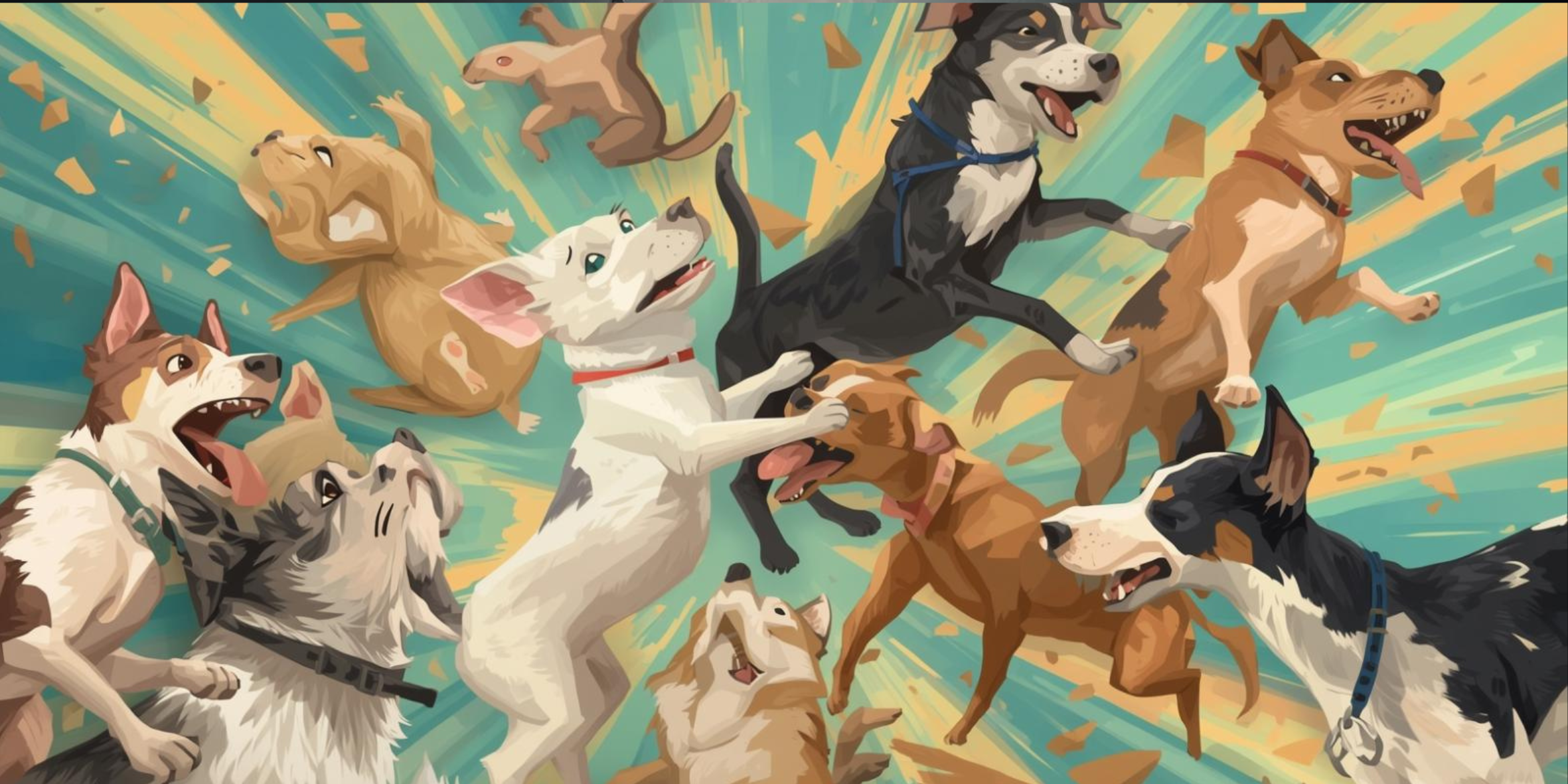
Size Doesn't Equal Safety
Small dogs bite more frequently than large dogs, however:
- They tend to inflict fewer damages through their bites.
- Incidences are not well reported.
- Aggression is possible in any dog irrespective of size.
The Role of Ownership in Dog Aggression
Bad Owners Create Dangerous Situations
It has been found through research that the behavior of the owner is among the largest predictors of dog aggression.
There are common ownership errors, which are:
- Lack of training
- No socialization
- Encouraging aggression
- Chaining or isolating dogs
- Neglect or abuse
A dog, which is well trained, is much safer than a neglected dog.
Breed-Specific Legislation (BSL) in the United States
Does Banning Certain Breeds Work?
Certain cities and states in the United States prohibit or limit the breeds such as Pit Bulls, Rottweilers.
However:
- Large veterinary associations are against BSL.
- Research findings indicate that BSL is not effective in curbing dog bites.
- Duty of care laws work better.
How to Choose a Safe Dog for Your Family
Consider Lifestyle, Not Just Breed
People should look at:
- Living space
- Activity level
- Experience with dogs
- Time for training
- Presence of children
Training and Socialization Are Key
Training at an early age, obedience training, and positive reinforcement significantly decrease the chances of aggressive behavior.
What to Do If You Encounter an Aggressive Dog
Safety Tips
In case you meet a vicious dog:
- Remain composed and do not look in the eye
- Do not run
- Slowly back away
- Use a barrier if possible
- Consult a doctor in case of a bite.








Leave a Comment