

One Dogs are one of favorite companions. From Golden Retrievers to French Bulldogs, many breeds are instantly recognizable. But beyond the popular and well-known dogs, there exists a fascinating world of extremely rare dog breeds some so uncommon that most people will never see one in person.
So, what is the rarest dog breed, and what makes a dog breed rare in the first place? This in-depth guide explores the rarest dog breeds in the world, explains why they are so uncommon, and helps you understand whether owning a rare dog is the right choice for you.
What Does “Rarest Dog Breed” Mean?
It is worth knowing the meaning of the term rare when it comes to the world of dogs before calling a certain breed rare.
A dog breed is regarded as rare when:
- The number of registered dogs in the world is very minimal.
- The breed is with minimal breeders.
- It can be physically confined.
The major kennel clubs such as the American Kennel Club (AKC) do not accept it.
The Rarest Dog Breed in the World: The Norwegian Lundehund
Uncommonness does not imply excellence. Not all rare breeds are the healthier, smarter, and better pets, they are simply less common.
Why the Norwegian Lundehund Is Considered the Rarest
Norwegian Lundehund is generally regarded as the rarest type of dogs in the world. At some stage, the breed was reduced to less than 20 dogs across the world, and the breed was left hanging at the edge of extinction.
To this day, the overall population is very minimal as compared to mainstream breeds.
Origin and History of the Norwegian Lundehund
Norwegian Lundehund was developed in Norway more than 1000 years ago. It was specially domesticated to predate on puffins, a seabird that inhabits Norway on the rocky cliffs.
This specialized occupation demanded unusual physical characteristics and the Lundehund possessed them to the present day.
Unique Physical Characteristics
Norwegian Lundehund is not like any other breed of dogs:
- Each foot has six toes (polydactyl).
- Very loose joints so that the dog can bend backwards.
- Capability of sealing its ears with the help of a muscle.
- Lightweight and agile body.
These modifications enabled the dog to climb sharp cliffs and squeeze through small crevices.
Personality/Temperament
Although the Lundehund looks strange, it is:
- Alert and energetic
- Witty, yet self-reliant
- Loyal to its family
- Sometimes stubborn
The breed is well adapted to the knowledgeable dog owners who appreciate primitive dog behavior.
Health Considerations
The greatest difficulty with the Norwegian Lundehund is the Lundehund Syndrome, which is a digestive disorder due to low genetic diversity. This is a condition which needs to be managed throughout life and proper dieting.
Other Extremely Rare Dog Breeds
The Norwegian Lundehund is on the top of the list, but there are also some other breeds that are extremely rare.
Azawakh
Overview
The Azawakh is a tall and thin sighthound of West Africa. Nomadic tribes traditionally used it to protect camp and hunt the game.
Why It's Rare
- Restricted extra muscular breeding.
- Newly approved by AKC.
- Small number of U.S. breeders
Personality
- Deeply loyal
- Reserved with strangers
- Highly athletic
Mudi
Overview
Mudi is a Hungarian herding dog which is intelligent and agile.
Why It's Rare
- Lost in the other breeds of herd.
- Even in Europe small population.
Best For
- Active families
- Agility and obedience dog sports.
Thai Ridgeback
Overview
Thai Ridgeback is a primitive breed, which has a ridge of hair that grows in a contrary direction down the back of the animal.
Why It's Rare
- In Thailand, it was historically isolated.
- The number of breeders in North America is very small.
Temperament
- Independent
- Protective
It is not the best choice of the first-time owners.
Otterhound
Overview
Otterhound is an English, large, shaggy scented hound.
Why It's Rare
- Fewer than 1,000 exist worldwide
- Falling of otter hunting minimized demand.
Personality
- Friendly and goofy
- Strong scent drive
- Needs space and exercise
Chinook
Overview
Chinook is an American breed of dog that has been created in New Hampshire to pull sleds.
Why It's Rare
- Small breeding population
- Healthy breeding to maintain health.
Temperament
- Gentle and family-oriented
- Excellent with children
- peaceful as compared to other working breeds.
Why Are Some Dog Breeds So Rare?
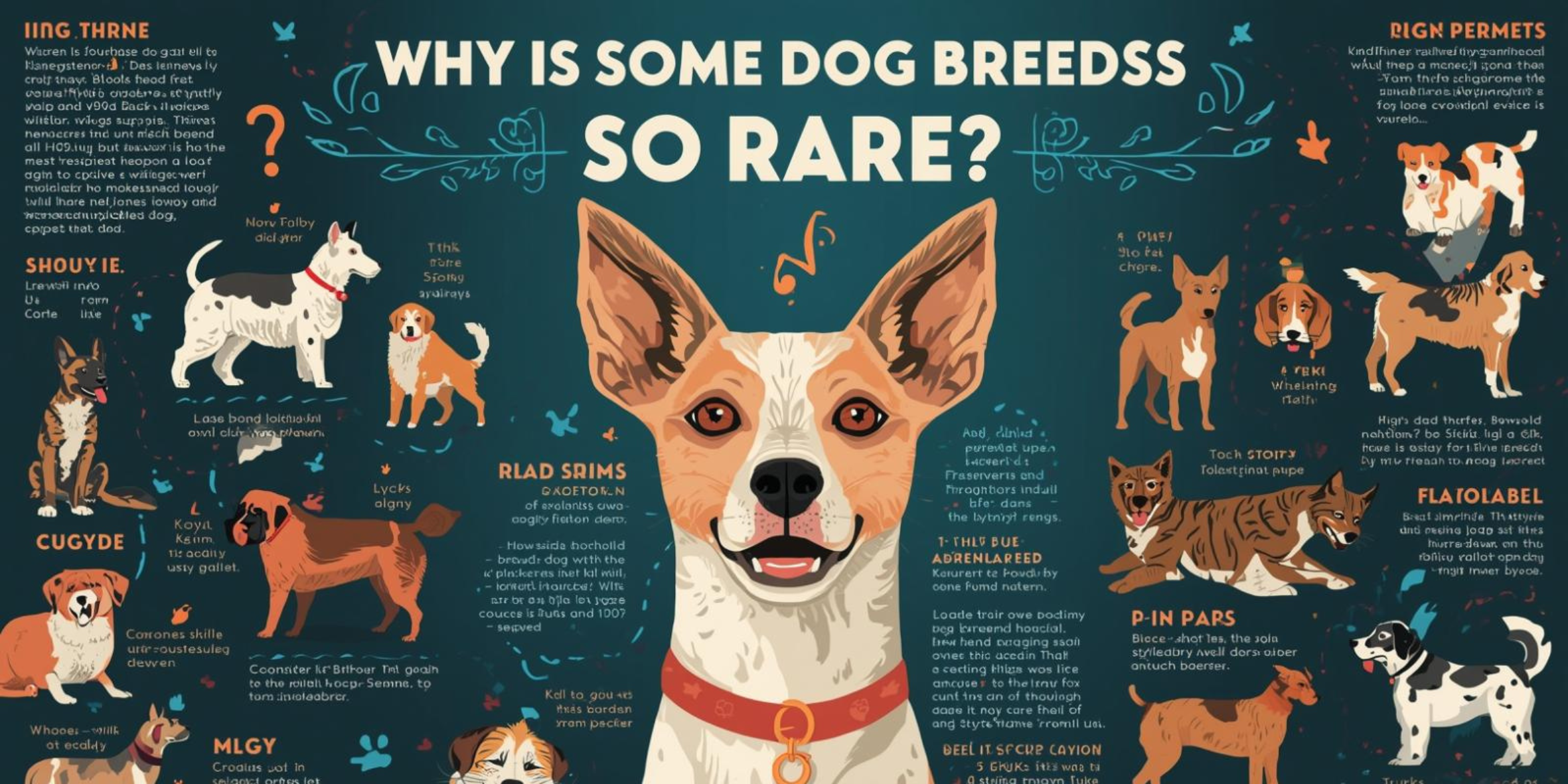
The rarity of a breed is caused by several factors:
Geographic Isolation
The breeds that are formed in distant regions tend to be localized.
Specialized Purpose
The domesticated dogs that are used to perform certain tasks might become obsolete.
Limited Genetic Pool
Small populations render breeding hard.
Lack of Popularity
The demand of the breed is very much influenced by media exposure.
Are Rare Dog Breeds Good Pets?
Rare breed dogs are good companions, but they are not suitable to everybody.
Pros
- Unique appearance
- Rich history
- Often strong bonds with owners
Cons
- Hard to find breeders
- Higher costs
- Health challenges that may arise
- Poor veterinary acquaintance.
Should You Try to Own a Rare Dog Breed?
Before pursuing a rare breed, ask yourself:
- Am I able to deal with specialized care?
- Am I ready to wait months or even years?
- Are there good veterinarians available to me?
- Can I afford higher costs?
To most families, the more popular breeds or mixed breed dogs are preferable- and equally loving.
Rare Dog Breeds vs. Endangered Dog Breeds
Not all rare breeds are endangered.
- Rare means low population
- Endangered means at risk of disappearing entirely
There are organizations that have been keen on dog breeding, undertaking the responsible breeding programs to maintain the endangered breeds.
How to Responsibly Support Rare Dog Breeds
In case you love the rare breeds and do not want to possess one:
- Sponsor breed conservation organizations.
- Give to conservation campaigns.
- Train others on moral breeding.
- Do not use puppy mills and untested sellers.








Leave a Comment