
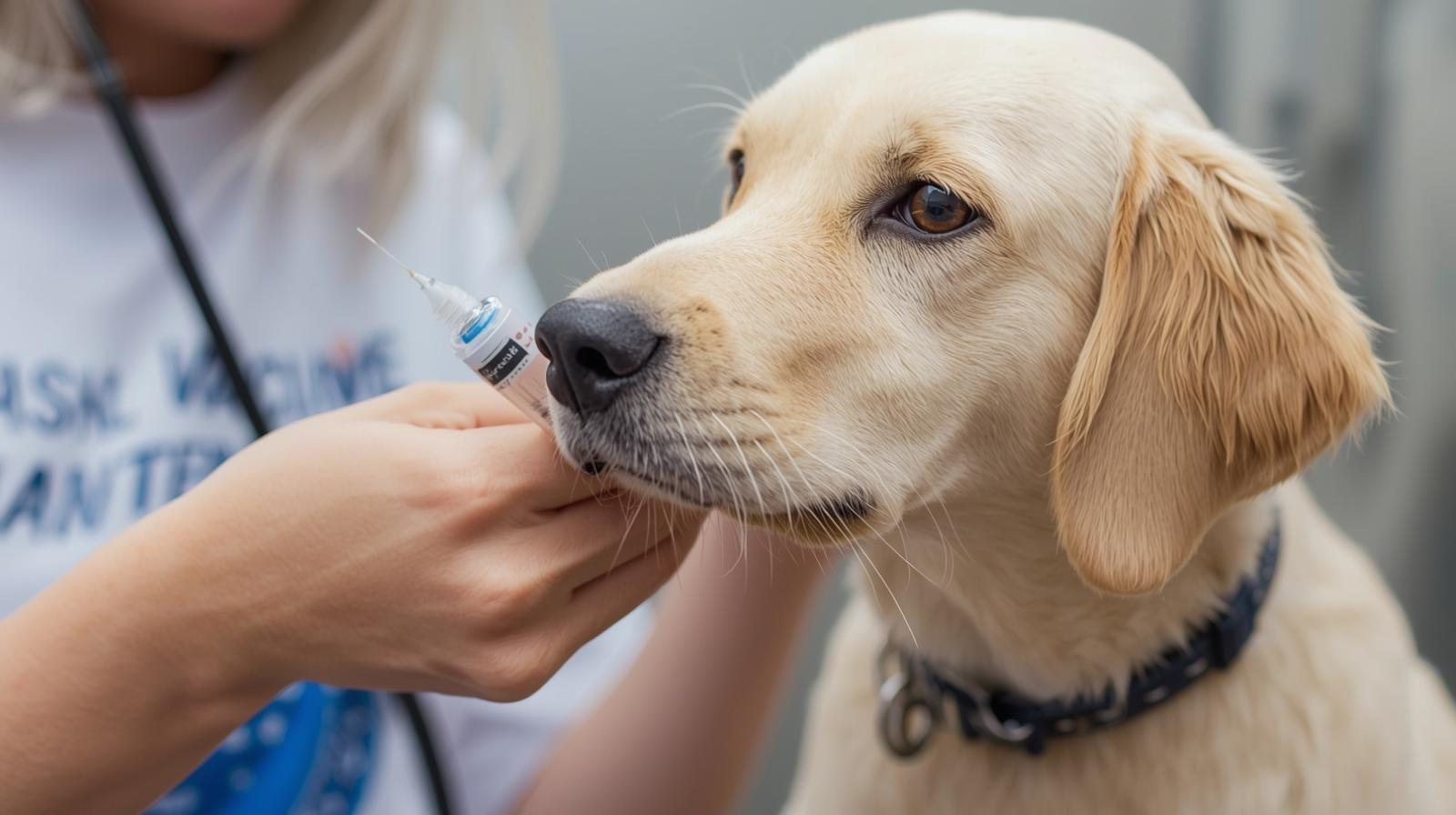
Taking your dog to a professional groomer is about more than keeping them clean and stylish it’s also about keeping every dog in the facility safe and healthy. Because grooming salons bring many dogs together in shared spaces, most groomers require proof of certain vaccinations before accepting a pet.
If you’re a dog owner wondering what vaccines your dog needs for grooming, this guide breaks it all down in simple terms. You’ll learn which vaccines are typically required, why they matter, and how to make sure your dog is fully prepared for their grooming appointment.
Why Do Groomers Require Vaccinations?
Dog grooming salons are high-traffic environments.
Dogs may share:
- Grooming tables
- Crates or kennels
- Waiting areas
- Bathing tubs
- Air space (coughing and sneezing may transmit germs)
Even the best salons that are well cleaned are unable to get rid of all the risks. Vaccines help protect dogs from diseases that are easy to spread in close environments.
Requiring vaccinations protects:
- Your dog
- Other dogs
- Groomers and staff
- The grooming business itself.
Groomers follow local regulations, veterinary recommendations, and insurance policies in most cases when setting vaccine policies.
Best Vaccines Most Groomers Require
Rabies Vaccine
The most common vaccine that is required during grooming is the rabies.
Why It's Required
- Rabies is lethal and infectious to human beings.
- In most states of the U.S., it is legally required.
Groomers work in close contact with dogs, and they need to be guarded against bites or scratches.
How Often It's Given
- Initial dose at 12-16 weeks of age.
- Booster after one year.
- Then after 1 or 3 years, according to the vaccine and state legislation.
There is no exception to this rule, most groomers will not tolerate a dog without proper rabies documentation.
Distemper (DHPP or DAPP Vaccine)
This is included in a combination vaccine of core vaccines against several severe diseases.
What It Protects Against
- Canine distemper
- Parvovirus
- Adenovirus (hepatitis)
- Parainfluenza.
Why Groomers Care
- These diseases spread through contact with bodily fluids
- Parvovirus is very resistant and can survive on surfaces.
- Puppies and unvaccinated dogs are vulnerable.
Vaccine Schedule
- Sequences of shots after 6-8 weeks.
- Vaccination every 1-3 years as recommended by the veterinary.
- Majority of groomers require this vaccine to be up-to-date and recorded.
Non-Essential but Commonly Required Grooming Vaccines
Bordetella (Kennel Cough Vaccine)
It is among the most significant grooming vaccines, although it is a non-core vaccine in terms of medicine.
What Is Kennel Cough?
Kennel cough is a very contagious respiratory disease which is spread by:
- Coughing
- Sneezing
- Shared air space
- Contaminated surfaces
Why Groomers Require It
- The best places to transmit kennel cough are grooming salons.
- Even before symptoms appear, infected dogs may transmit it.
- Epidemics are capable of closing grooming facilities.
How Often It's Given
- Every 6 to 12 months
There are groomers that need it in the past 6 months.
It can be given as:
- Injectable
- Injectable
- Naral spray (usually works quicker)
Canine Influenza (Dog Flu)
Canine influenza is gaining popularity in the U.S. particularly in cities.
Why Some Groomers Require It
- Transmissible among dogs living in close contact.
- Produces coughing, fever and drowsiness.
There are strains that are transmitted even among vaccinated populations but the severity is minimized by vaccines.
Vaccine Schedule
- Two preliminary doses separated by 2-4 weeks.
- Annual booster
This vaccine is not mandatory to all groomers, yet most of them highly recommend it particularly during outbreaks.
Vaccines Groomers Usually Do Not Require
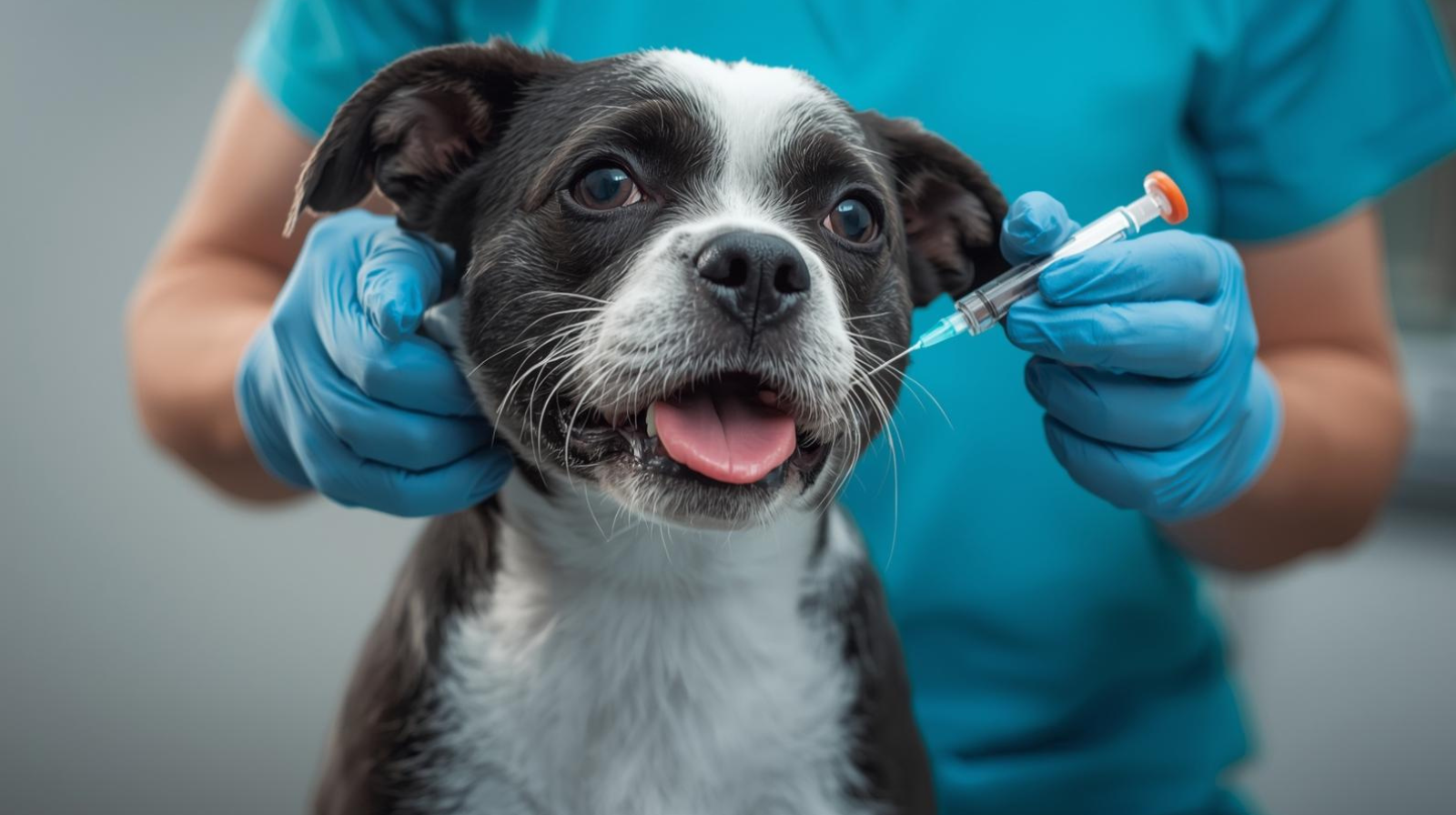
While important for overall health, these vaccines are typically not required for grooming
- Leptospirosis
- Lyme disease
- Coronavirus (canine)
- Rattlesnake vaccine
These are considered as lifestyle-based vaccines, which are to be taken depending on the place where your dog stays and spends its time.
Puppy Vaccination Requirements for Grooming
There are a lot of puppy rules that are applied by many groomers.
Common Puppy Policies
- Minimum age (often 12-16 weeks)
- At least first round of DHPP
- Bordetella vaccine
- No signs of illness
Other groomers also provide introductory grooming on puppies, where they are not groomed but just exposed to the environment. The sessions assist the puppies to become comfortable and reduce health risks.
Proof of Vaccination: What Groomers Expect
Most grooming salons require written documentation, not verbal confirmation.
Acceptable Proof Includes
- Vaccination records of the veterinary.
- Rabies certificate
- Electronic records of your vet.
- Records uploaded using booking software.
Records must include:
- Dog's name
- Vaccine name
- Date given
- Expiration date
- Veterinarian's information
Vaccines that have expired normally imply that you will be rescheduled or canceled.
What Happens If Your Dog Isn’t Vaccinated?
If your dog doesn’t meet vaccine requirements:
- Groomers may refuse service
- Last minute cancellations of appointments can occur
- You may lose a deposit
- Mobile groomers can also drop.
Groomers can make exceptions of:
- Old dogs that have veterinary exemption letters.
- Health issues that have been diagnosed by a vet.
However, these exceptions are rare and vary by business.
How to Prepare Your Dog for Grooming Vaccines Plan Ahead
- Book in advance at least 1-2 weeks to groom.
- There are mild side effects of some vaccines.
Watch for Reactions
The most frequent mild reactions are:
- Sleepiness
- Mild soreness
- Reduced appetite
Grooming should be avoided in case your dog feels poorly following vaccination.
Talk to Your Veterinarian
Your vet knows:
- Local disease risks
- Groomer needs in your neighborhood.
- The age of your dog, health and lifestyle.
They are able to assist you in developing a vaccination strategy that will ensure that your dog is safe and groomer-ready without excessive vaccination.
Keeping Grooming Safe for Everyone
Vaccination requirements for dog grooming aren’t about inconvenience—they’re about community safety. Groomers work hard to maintain clean, stress-free environments, and vaccines are one of the strongest tools for preventing disease outbreaks.
In most U.S. grooming salons, your dog will need:
- Rabies
- DHPP (distemper/parvo)
- Bordetella
Some may also require canine influenza.
By keeping your dog’s vaccines up to date, you ensure smoother appointments, protect other pets, and give yourself peace of mind every time your dog heads to the groomer.



Leave a Comment