

Dogs experience the world in a completely different way than humans do. While we rely heavily on sight, dogs rely on scent. A dog’s nose is not just a cute feature—it is a highly advanced biological tool that allows them to detect smells far beyond human capability.
In this article, we’ll explore why dogs’ noses are so powerful, how they work, and what dogs can smell that humans cannot. By the end, you’ll have a whole new appreciation for your dog’s incredible sense of smell.
How Powerful Is a Dog’s Sense of Smell?
In order to know why dog’s noses are so strong, it helps to compare them to humans.
There are approximately 5 to 6 million scent receptors in the noses of human beings. Depending on the breed, dogs may contain up to 300 million smell receptors. That means a dog’s sense of smell can be tens of thousands of times more sensitive than ours.
But it’s not just about the number of receptors. The part of a dog’s brain that analyzes smells is also much larger—proportionally speaking—than in humans.
This allows dogs to:
- Perceive very subtle smells.
- Separate and recognize single scents.
- Retain certain fragrances over a long time.
- Follow scent tracks long after dark or days.
For dogs, smelling isn’t just a sense—it’s their primary way of understanding the world.
The Science Behind a Dog’s Powerful Nose
Millions of Scent Receptors
Dogs have an extraordinary number of olfactory receptors. These receptors are responsible to receive scent molecules in the air and transmit messages to the brain. The larger the number of receptors that an animal possesses, the finer the scent information that it can handle.
This is one of the main reasons why dogs’ noses are so powerful.
A Specialized Olfactory Brain
The olfactory bulb (the part of the brain responsible for processing smells) is significantly larger in dogs than in humans. This allows dogs to analyze scents in incredible detail.
While we might smell “soup,” a dog can detect each ingredient separately—meat, vegetables, herbs, and spices.
The Ability to Smell in Stereo
Dogs have the ability to smell using each nostril. This assists them in knowing the direction of a scent. They are able to move in a direction that will give them the best scent when following something so they can modify their path and follow the side with the more pronounced scent.
This ability is one reason dogs are so effective in search and rescue work.
The Jacobson's Organ
Dogs possess a special organ known as the vomeronasal organ (which is also known as Jacobson organ). It enables them to smell pheromones which are chemical cues that other animals emit.
This helps dogs gather social and reproductive information from other dogs and animals.
Why Dogs Sniff Everything
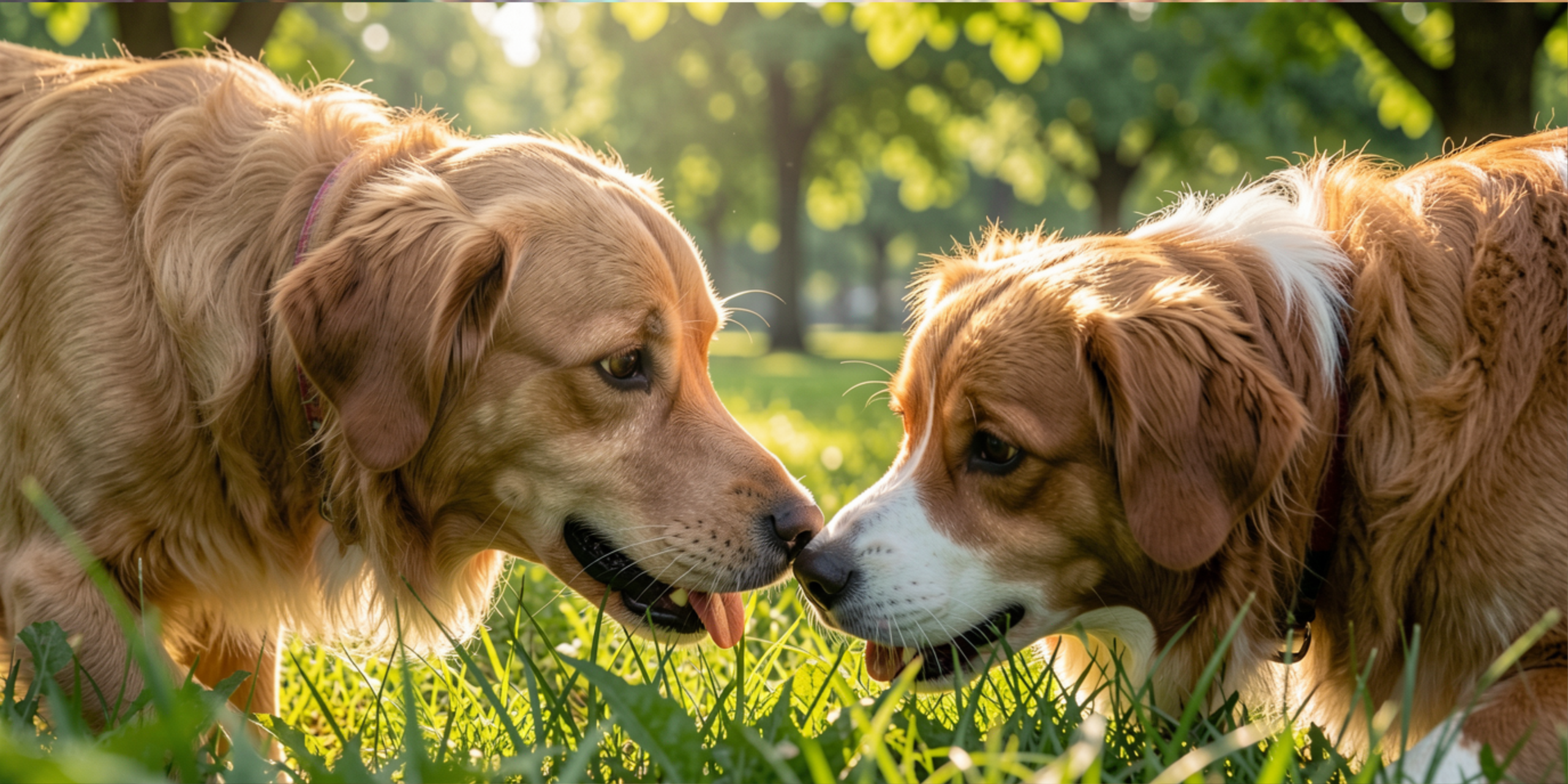
Have you ever questioned yourself why your dog pauses to smell each tree, pole or grass?
Sniffing is how dogs collect information. When your dog smells something, they can learn:
- Who has been there
- Whether the animal was male or female
- Whether the animal was stressed or calm
- How long ago they passed through
To a dog, sniffing is like reading the news. Every scent tells a story.
What Can Dogs Smell?
Now let’s explore what dogs can actually detect. The list is impressive.
Human Emotions
Dogs can smell changes in human body chemistry. When you feel stressed, anxious, or afraid, your body releases different hormones. Dogs can detect these chemical shifts.
This is why dogs often respond to your mood even before you say a word.
Medical Conditions
One of the most fascinating abilities of a dog’s nose is detecting illness.
Dogs have been trained to identify:
- Low blood sugar among diabetic individuals
- Seizure activity before it happens
- Certain types of cancer
- Infections
They detect subtle chemical changes in breath, sweat, or bodily fluids that humans cannot perceive.
Drugs and Explosives
Dogs are widely used in security and law enforcement because they can detect extremely small traces of substances. Even when drugs or explosives are hidden, sealed, or buried, trained dogs can locate them.
Their ability to isolate a specific scent from many competing smells makes them highly effective.
Missing People
Search and rescue dogs are able to track the scent of a particular individual over a long distance. Each individual sheds off minute skin-cells and odour-particles. In adverse conditions, dogs are able to follow them.
They are capable of differentiating the smell of one person to another even in a crowded place.
Wildlife and Prey
Hunting breeds have been on use since time immemorial to hunt animals. Dogs are able to pick up the odor of wild animals at a long distance and trace footprints that cannot be seen by us.
They can even determine whether a scent is fresh or old.
Time
While dogs cannot smell “time” directly, they can detect how scent intensity changes. As a scent fades, its chemical makeup shifts. Dogs use this information to estimate how recently something happened.
That’s how they can tell whether you just left the house or have been gone for hours.
Why Some Dogs Smell Better Than Others
Not all dogs have the same level of scent ability. Several factors influence how powerful a dog’s nose is.
Breed Differences
Certain breeds were developed specifically for scent work.
These breeds typically have:
- Longer snouts
- Larger nasal cavities
- More scent receptors
However, nearly all dogs have a sense of smell far superior to humans.
Training
Training enhances a dog’s natural ability. With practice, dogs learn to focus on a specific scent and ignore distractions.
Age and Health
A dog’s sense of smell can weaken slightly with age or illness. However, even senior dogs usually maintain a strong sense of smell compared to humans.
How Dogs Use Their Noses Daily
Even if your dog isn’t trained for professional scent work, they use their nose constantly.
Exploring the Environment
Dogs map their surroundings through scent. A short walk can provide a huge amount of information for them.
Identifying Family Members
Dogs recognize you primarily by scent. Even if you change your clothes or hairstyle, your natural scent remains the same.
Finding Food
Dogs can smell food long before we notice it. That’s why they often appear in the kitchen as soon as cooking begins.
How to Support Your Dog’s Natural Abilities
Since dogs rely so heavily on their noses, allowing them to sniff is important for their mental health.
Here are simple ways to support their natural instincts:
- Allow “sniff walks” where they explore at their own pace
- Play scent-based games like hiding treats
- Use puzzle feeders
- Introduce new environments for safe exploration
Sniffing provides mental stimulation and reduces boredom.
Fascinating Facts About Dog’s Noses
Here are a few surprising facts about why dog’s noses are so powerful:
- A dog’s nose print is unique, similar to a human fingerprint.
- Dogs can breathe in and out at the same time while smelling.
- They can sniff five to ten times per second.
- The wet surface of a dog’s nose helps trap scent particles.
All of these features work together to create one of the most advanced scent detection systems in the animal world.







Leave a Comment