
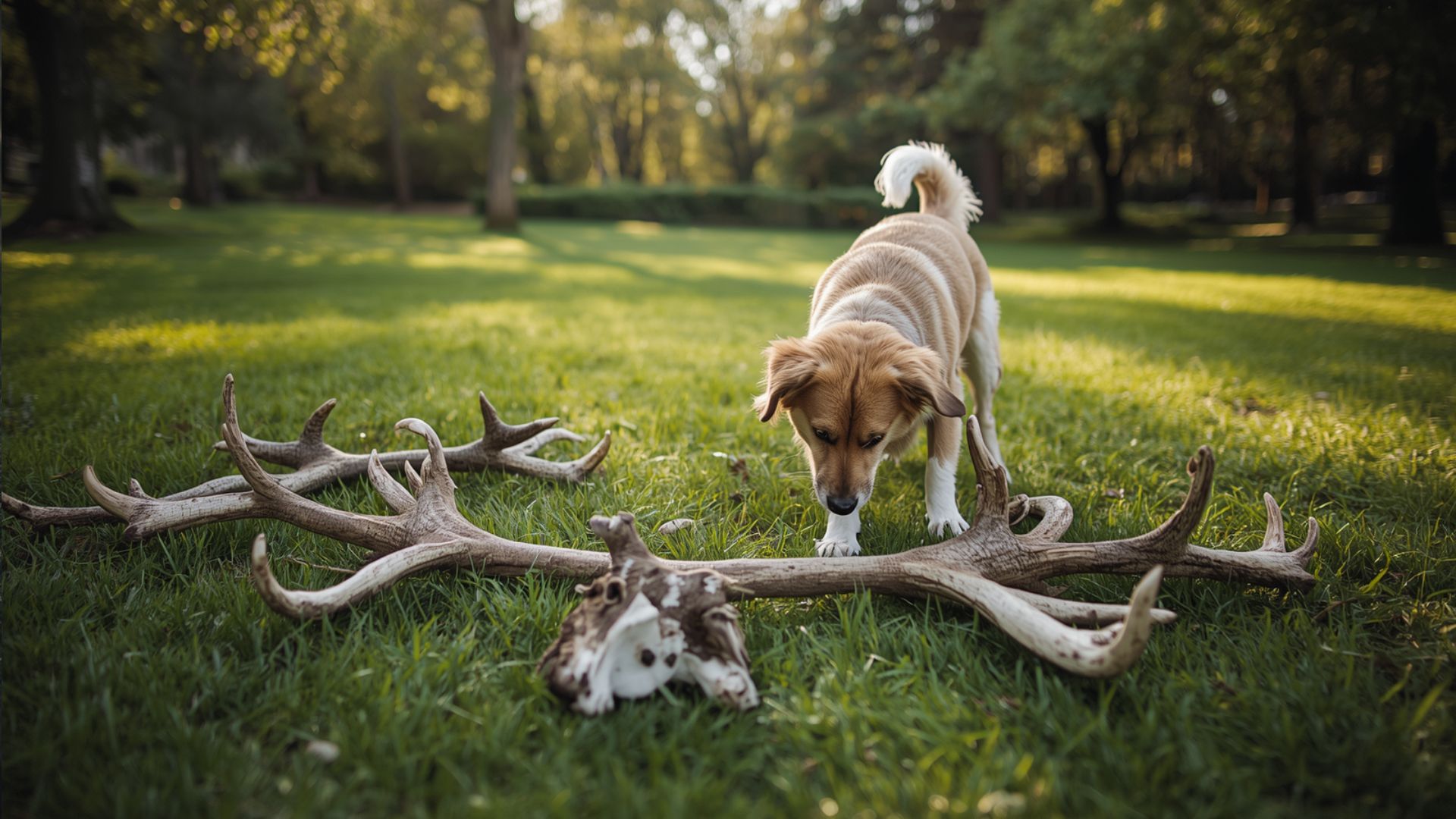
Antler chews are a trendy natural dog treat, commonly promoted as durable, high-protein, and free of chemicals. However, the question that remains a big issue to many pet owners is: Are antlers safe to dogs? The answer is not completely simple. Although antlers may be beneficial, they present actual danger based on the dog, the size of the antler, and chewing behavior.
This guide will deconstruct all the information you need to know about the antler chews, their advantages, risks, and how to determine whether they are suitable to your dog.
What Are Antlers for Dogs?
Dog antlers are naturally shed deer or elk antlers that have been cleaned, cut and sold as chew toys. They are not produced using additives or artificial flavors as opposed to synthetic chews. They are normally thick, tough and durable, which makes them appealing to dogs that chew aggressively.
The majority of antler chews belong to either deer or elk species and are sold either whole or split. Whole antlers are very tough, and split antlers reveal the softer inner marrow, more attractive to certain dogs.
Why Dog Owners Choose Antler Chews
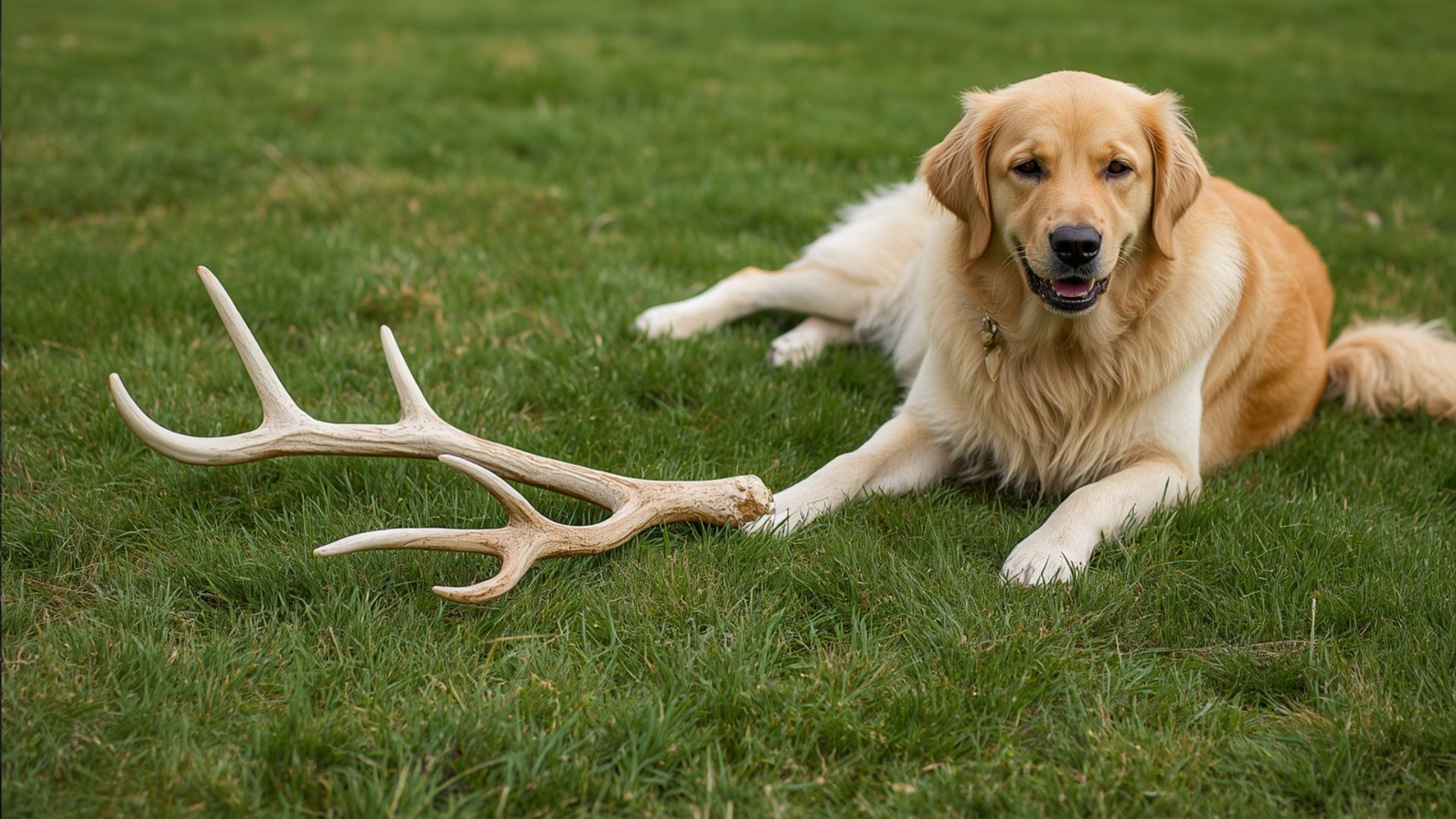
Dog owners usually prefer antlers as they appear to be a natural and long-lasting substitute to processed chew toys. They are thought to be safer than rawhide or plastic chews and also do not produce a strong smell or sticky residue.
The other factor that has made them popular is longevity. The length of time an antler lasts may be weeks or months depending on the strength of the chewing of the dog. Antlers seem to be an economical option when it comes to the dogs that chew up their toys in a short period of time.
Also, antlers are frequently sold with claims of containing specific minerals, such as calcium and phosphorus, which contributes to their popularity among pet owners seeking natural products.
Benefits of Antlers for Dogs
There are some real benefits that can be gained by using antlers. One of the biggest benefits is dental stimulation. Chewing will remove the accumulation of plaque and may contribute to healthier gums.
They are also mentally enriching. Dogs are natural chewers and a long-lasting chew will help decrease boredom, anxiety and destructive behavior such as chewing furniture or shoes.
The other advantage is that antlers are usually not odorous and do not produce messy residue. This renders them handy to use indoors. They also come naturally, which is an added advantage to the owners who would like their dog to have minimal processing in its treats.
These advantages however, are only effective when the antler is of the correct size and the dog chews safely.
Risks and Safety Concerns
Antlers, as beneficial as they are, are not risk-free. One of the biggest concerns is their extreme hardness. The antlers are thicker than the teeth of a dog, and thus they may result in severe dental injuries, such as broken, fractured, or broken teeth.
The antler may also wear down to sharp edges, which may cause mouth or gum cuts. In other instances, small pieces can detach and pose a choking risk or lead to internal damage in case of ingestion.
Overzealous chewing is another problem. Aggressive chewers can bite down excessively, which can lead to injury. Dental wear can occur even in dogs that chew very cautiously.
Veterinarians frequently caution that a chew that appears to be a natural chew is not necessarily a safe chew.
Dogs That Should Avoid Antlers
Not all dogs are good candidates for antler chews. An example is the developing teeth of puppies which are more susceptible to damage. They usually have problems with early tooth decay and antlers are usually too hard.
They should also not be given to senior dogs or dogs with existing dental problems since their teeth might be weakened. Similarly, dogs that have a history of aggressive chewing or broken teeth should not be given antlers.
Small dogs are also more prone to danger when the size of the antler is not suitable, as they may not be able to chew it safely or may even swallow small pieces of it that are broken.
Overall, all dogs that chew aggressively uncontrollably are more susceptible to using antlers.
How to Choose Safe Antlers for Dogs
When you want to give your dog an antler chew, it is important to select the appropriate one. Size is important–always use an antler bigger than the mouth of your dog so that he cannot choke and may chew in more comfortable positions.
Split antlers are also frequently used with beginners or moderate chewers as they reveal the softer inside, making them not as sharp as whole antlers.
Examine the antler prior to handing it over to your dog. Do not use sharp-edged pieces, cracks or splintered pieces. Antlers of high-quality must be smooth and trimmed accordingly.
It is also beneficial to align the type of antler with the chewing power of your dog. Light chewers can be happy with softer chews, whereas heavy chewers need harder but closely supervised chews.
Safe Chewing Guidelines for Antlers
Supervision is key when your dog is chewing an antler. Do not leave your dog unattended too long, particularly in the initial few uses. This will allow you to easily see any evidence of breaking or unsafe chewing.
Reduce the amount of time spent chewing to sensible intervals, e.g. 15-30 minutes at a time. Constant chewing may cause more wear to teeth and risk of injury.
Change antlers when they are small enough to be swallowed or when they become sharp. Even natural chews cannot last forever, and the pieces that are worn down may be dangerous.
Periodically examine the teeth of your dog to see whether they are cracking or sensitive. In case of discomfort during chewing, discontinue use and see a veterinarian.

Leave a Comment