
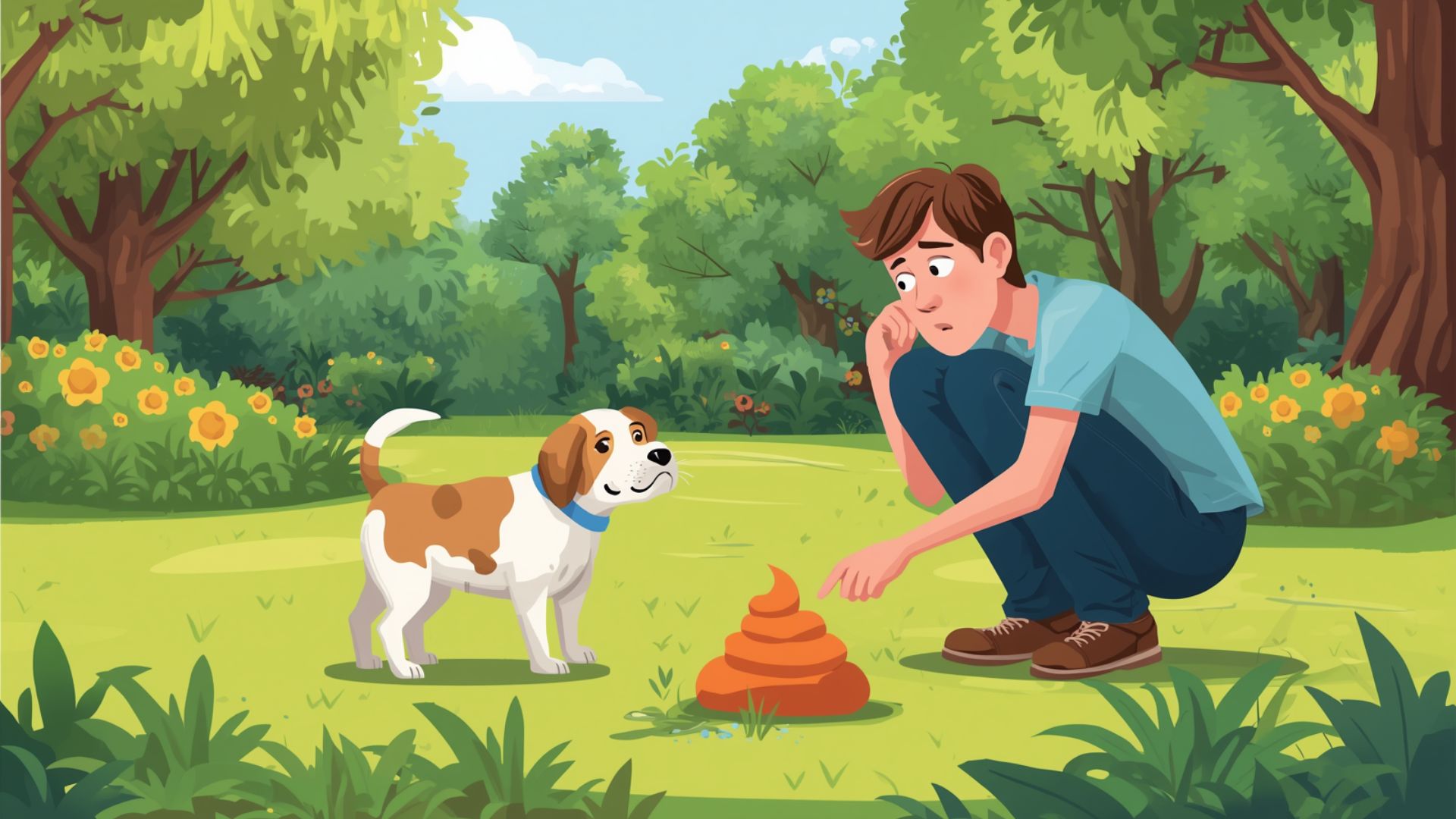
Orange dog poop may be a cause of panic among pet owners, particularly when it comes out unexpectedly or takes over a day. Although the color of the stool may vary due to harmless causes, it may also indicate digestive problems that require treatment. Knowing the meaning of orange dog poop will guide you in knowing when to keep an eye on at home and when to call a vet.
The most typical reasons of orange dog stool are described below in an easy to understand, vet-educated manner.
What Does Orange Dog Poop Indicate?
Orange dog poop is a typical indication of a shift in the processing of bile during digestion. The bile is a digestive secretion that is produced by the liver and stored in the gallbladder.
It normally gives stool a brown color. Stool can be yellow, light brown, or orange when digestion is accelerated, or the flow of bile is disturbed.
Orange stool in most instances is transient and diet related. Nevertheless, chronic orange poop may also indicate problems with the liver, pancreas, or intestines. It is as important to observe the consistency, frequency and the behavior of your dog as much as the color itself.
Diet and Food Dyes as a Common Cause
One of the most common reasons for orange dog poop is diet. Artificial coloring or naturally bright foods such as carrots, pumpkin, or sweet potatoes are found in many commercial dog foods, treats, and chew products.
Dogs that eat foods that contain a lot of orange pigments can temporarily change their stool to the same color. This is normally not dangerous and is relieved when the food is digested and removed out of the system.
Poor quality snacks containing artificial colorants may also temporarily change the color of stool. When your dog is behaving normally and eating well, diet is usually the first consideration.
Sudden Dietary Changes and Digestive Upset
An abrupt change of dog food may disturb the digestive system. In cases where the gut lacks time to adapt, the food might move through the intestines too fast. This may cause unfinished breakdown of bile which leaves the stool to be orange or yellow.
Additional symptoms of digestive discomfort can be mild diarrhea, gas, or lack of appetite. This problem can be avoided by a gradual change to a new food during 7-10 days.
When the stool is orange immediately after the change of diet or the administration of a treatment, it is usually a transient response and not a serious medical issue.
Liver and Bile Issues Affecting Stool Color
Liver is also important in the production of bile that aids in the digestion of fats. Bile production or release can be influenced when the liver is not functioning optimally. It may cause lighter coloured stool, such as orange.
Liver inflammation or blockage of the bile ducts are conditions that can disrupt normal digestion. In such instances, the orange poop can be accompanied by other symptoms such as fatigue, vomiting, yellowing of the eyes or gums, or loss of appetite.
Due to the possibility of liver-related problems developing into serious ones, color changes should not be overlooked.
Pancreatic Problems and Enzyme Imbalance
Pancreas synthesizes enzymes that aid in the digestion of food in the intestines. When the pancreas is not functioning properly, then the digestion is not complete. This may alter the color and consistency of the stool, occasionally resulting in orange, greasy, or soft stool.
Exocrine pancreatic insufficiency is a condition that might lead to chronic digestive problems and weight loss despite a normal diet.
Pancreatic issues in dogs can also be characterized by such signs as hunger, bloating, or frequent diarrhea. Pancreatic imbalance should be confirmed by veterinary testing.
Intestinal Infections and Parasites
The movement of food through the digestive tract may be influenced by bacterial infections and intestinal parasites. In case of irritation of the intestines, the digestion is accelerated, and bile is not able to fully break down, which leads to the appearance of orange-colored stool.
Usual parasites such as giardia or roundworms may also lead to alterations in stool color as well as mucus, bad smell or irregular bowel movements.
Other symptoms that are usually associated with infections include vomiting, lethargy, or dehydration. Stool testing is usually needed to determine the precise cause and select the appropriate treatment.
Toxic Ingestion or Foreign Substances
When a dog consumes something strange or even poisonous, it may have a rapid impact on digestion and feces color. Objects such as non-food, rotten food or some chemicals can irritate the digestive tract.
This frustration may accelerate bowel movement resulting in insufficient digestion and orange stool. In more severe situations, toxins may attack the liver, which further alters the stool color and consistency.
Observe other red flags like drooling, tremors, vomiting or abrupt changes in behavior. These situations often require immediate veterinary attention.
When to See a Vet and What to Expect
The occasional orange dog poop is usually harmless particularly when it is associated with diet. Nevertheless, it is significant to seek veterinary care when the color change persists over 24-48 hours or is accompanied by other symptoms.
You may want to visit the vet when your dog exhibits:
- Loss of appetite
- Vomiting or diarrhea
- Drowsiness or abnormal behavior
- Weight loss
- Recurrent abnormal stool color.
A vet will generally do a physical exam and could order stool tests, blood work or imaging based on symptoms. The treatment is based on the underlying cause and may include dietary changes to medication.
Early diagnosis can prevent minor digestive problems to develop into more severe health problems.

Leave a Comment