

Choosing the right dog for a family with young children is more than just picking a cute puppy. Children need a dog that is gentle, patient, and friendly, while parents often prioritize breeds that are easy to train and low-maintenance. The right dog can bring years of joy, companionship, and even teach children important lessons about responsibility and empathy.
In this guide, we’ll explore the best dog breeds for families with young children, their characteristics, and tips for raising a happy, healthy family dog.
Why Choosing the Right Dog Breed Matters
When selecting a family dog, temperament is as important as looks. Young children are active, noisy, and sometimes unpredictable and a dog that is tolerant and patient is what is required. A social breed that is flexible to various conditions makes every day life of the children and the parents easier and safer.
The most important traits to consider are:
Gentle temperament: Easy going and tolerant of children.
Affectionate and outgoing: Likes to communicate with family members.
Trainability: Commands and boundaries are easy to teach.
Energy level: Corresponds to the level of activity of the family but not too hyperactive.
Space factors: Medium sized dogs might be more appropriate in small houses, whereas bigger dogs can tolerate rough games.
Top Dog Breeds for Families with Young Children
Labrador Retriever
Labrador Retrievers are family dogs that are very popular in the United States and rightly so. They are also hospitable, smart, and very tolerant of children.
Temperament: Labradors have the reputation of being loving and gentle. They are very social and they do well in families.
Energy Level: High; they like playtime, walks and swimming. Ideal family living.
Trainability: They are highly intelligent and readily trained and are therefore suitable to first time dog owners.
Size: Medium to large (55–80 lbs).
The carefree nature and light heartedness of labradors make them the perfect friends to children, particularly when they have the opportunity to use their energy outside.
Golden Retriever
Another great breed that can fit well in families with young children is Golden Retrievers. Parents like them due to their calm nature and patience.
Temperament: Mellow, faithful and loving. They attach themselves to the family members.
Energy Level: Moderate-high; they like to walk, play games and outdoor activities on a daily basis.
Trainability: Can be trained; is responsive to positive reinforcement.
Size: Medium to large (55–75 lbs).
Golden Retrievers are also characterized by their toleration and protective nature which can keep the kids safe and have a loving companion.
Beagle
Beagles are smaller, sociable dogs and they enjoy being part of a family. They are also playful and manageable thus fitting in homes that have young children.
Temperament: Playful, inquisitive, and amiable. They like to socialize and play games.
Energy Level: Moderate; needs physical activity and mental challenge.
Trainability: Stubborn, but consistent and positive reinforcement works.
Size: Small to medium (20–30 lbs).
The small size of beagles makes them a good family pet since they are an active yet not overwhelming dog and due to their loving temperament, they are an excellent companion to children.
Bulldog
Bulldogs are ideal in families that desire to have a more relaxed and quieter dog. Bulldogs are good indoor pets and known to be very loyal and affectionate.
Temperament: Easy-going, sociable and kind. They become difficult to get aggressive.
Energy Level: Low to moderate; likes short walks and play.
Trainability: Moderate; patient training is most effective.
Size: Medium (40–50 lbs).
Bulldogs can be used especially in a family that resides in an apartment or a house that does not have a large yard due to their minimal activity requirements.
Poodle (Standard or Miniature)
Poodle is clever, flexible and hypoallergenic and this makes them ideal to families that are allergic. They are available in three sizes (standard, miniature, and toy) although standard or miniature versions are the best to use in families with young kids.
Temperament: clever, sociable, and docile. They enjoy communicating with their families.
Energy Level: Moderate to high; likes games and learning new tricks.
Trainability: Intelligent and willing to please, highly trainable.
Size: Miniature (15–17 lbs), Standard (40–70 lbs).
Poodles do not only keep people company but also keep children entertained with their mischievous and inquisitive personalities.
Cavalier King Charles Spaniel
This is a breed that is affectionate, gentle and child friendly. Their size and their nature of being friendly makes them ideal in families that are looking to have a lapdog that plays safely with young children.
Temperament: Good natured, affectionate and tender.
Energy Level: Moderate; short walks and indoor play.
Trainability: Can be trained through patience and positive reinforcement.
Size: Small (13–18 lbs).
Cavaliers are particularly suitable to families who want to have a smaller dog that is easy to adapt to children and adults.
Boxer
Boxers are active, protective and fun-loving dogs that get attached to children. Their mischievous nature is comparable to the activity of active families.
Temperament: Faithful, mischievous, and patient of children.
Energy Level: High; needs frequent physical activity and intellectual stimulation.
Trainability: Intelligent, sensitive; advantage of early training.
Size: Medium to large (55–70 lbs).
Boxers are great family pets in families that love outdoor life, sporting and lifestyle.
Tips for Raising a Dog with Young Children
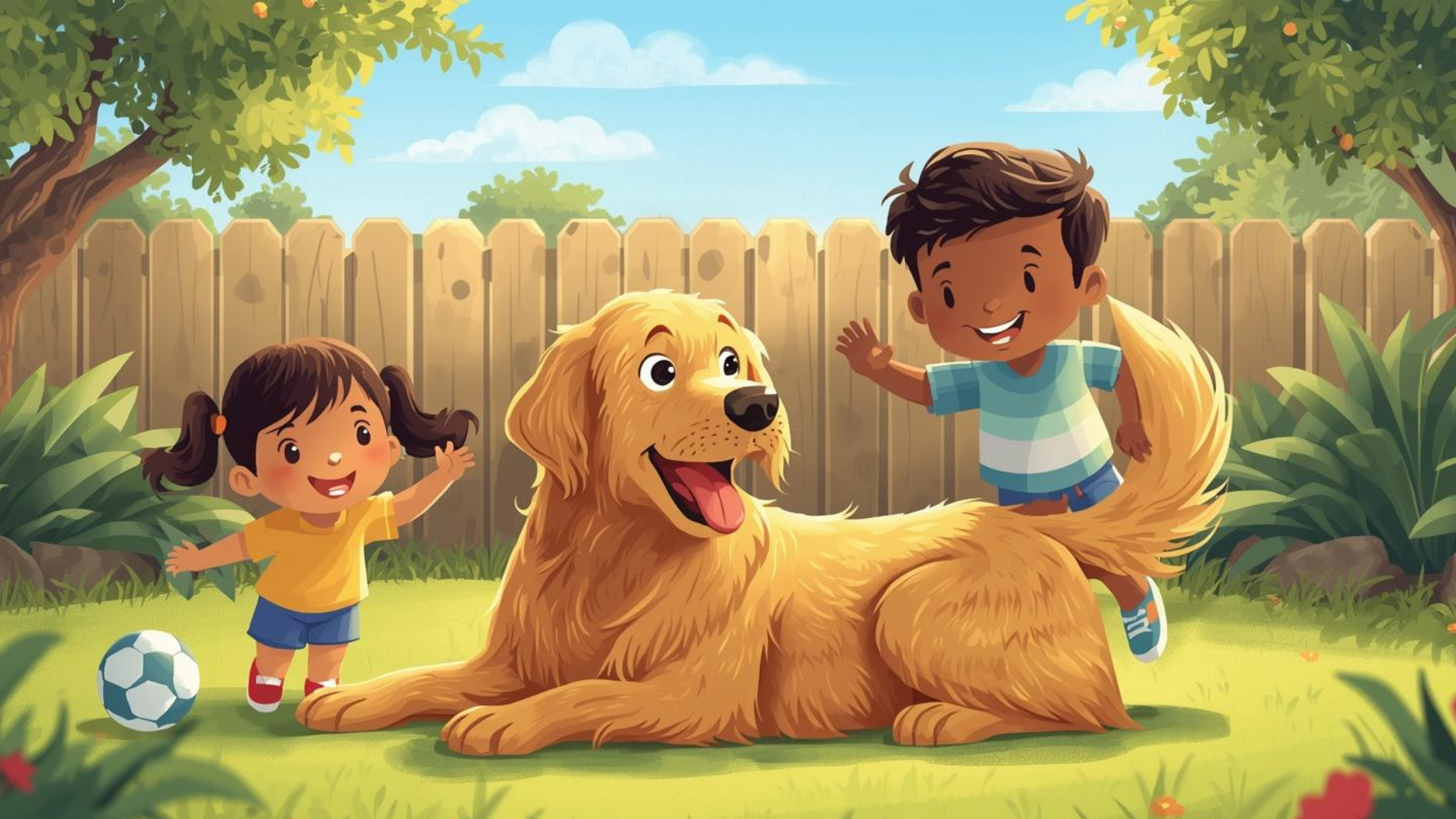
Selecting the proper breed is not the whole thing. With appropriate training and family practices, children and dogs will be able to live in a safe and happy environment.
Teach Respectful Interactions
Children are expected to learn to treat dogs kindly, not to pull their ears or tails, and not to violate the space of the dog. Close supervision is necessary, particularly in the case of younger children.
Consistent Training
Both children and the dog require training. Positively reinforce and establish limits. A dog that is well trained is less dangerous and predictable with kids.
Physical and Mental Activity
To avoid behavioral problems and boredom, dogs require frequent exercise. Take walks, play games, and interact. Intelligent breeds should be kept busy with mental stimulation such as puzzle toys.
Grooming and Health Care
Routine grooming, vet check-ups, and vaccinations are necessary. There are breeds that need regular grooming, such as Poodles, and breeds that have certain health concerns, such as Bulldogs.
Create a Secure Environment
Give the dog a special space where he/she can go to rest or have some quiet time. This will avoid anxiety and the children will learn how to honor the privacy of the dog.
Leave a Comment