
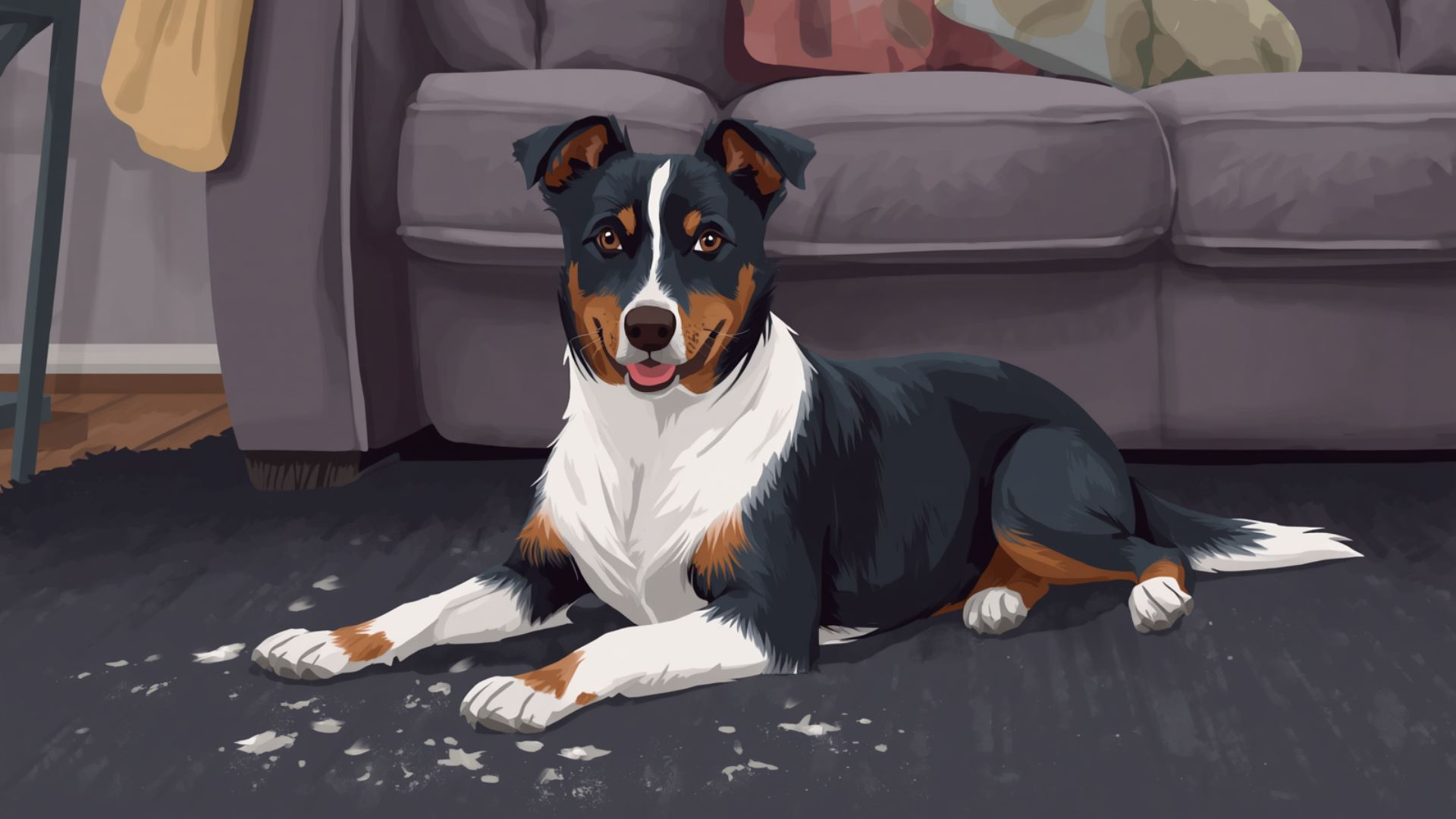
Blue Heelers are smart, active and industrious dogs that have gained popularity as companions to active families. These are also referred to as Australian Cattle Dogs, and they are loved pets due to their sporting skills, hardworking nature and their love. But one of the questions that many of the prospective owners would raise is: Do Blue Heelers shed?
The answer to this question is yes, Blue Heelers shed. Although they are not known to be heavy shedders all year round, they do shed hair on a regular basis and have seasonal shedding times that can really increase the amount of loose fur around your house.
This guide will teach you all you need to know about shedding in Blue Healer shedding such as why they shed, the amount they shed, and how to manage their coat.
Do Blue Heelers Shed a Lot?
Blue Heelers are average shedders. Their coat is two-coloured and sheds naturally all year round. Compared to some long-haired breeds, their shedding may seem manageable, but they still produce a noticeable amount of fur.
They shed more vigorously when changing their seasonal coat, usually in the spring and fall. In these seasons, they blow their coat, that is, shedding great masses of hair of the undercoat, in anticipation of a change of weather.
A Blue Heeler might not be the ideal dog to get in case you are seeking a dog that does not shed at all. Nevertheless, they can be trained to shed when well-groomed and taken care of.
Understanding the Blue Heeler's Double Coat
In order to comprehend the reasons behind Blue Heelers shedding, one should be aware of how their coat functions.
Blue Heelers have a weather-resistant double coat consisting of:
- A thick, fluffy undercoat.
- A short, straight outer coat.
The undercoat serves as insulation, which keeps the dog warm in colder seasons and cooler in warmer seasons. The outer coating safeguards against dirt, moisture, and environmental factors.
This is a two-layered coat which makes Blue Heelers effective in the outdoor setting and working conditions. But it also implies that they shed hair naturally since old fur is replaced by new fur.
When Do Blue Heelers Shed the Most?
Blue Heelers shed all year round but shed the most during seasonal changes.
Spring Shedding
Blue Heelers shed a lot of their thick winter coat in the spring. This will make them feel at ease when temperatures start to increase. The owners can also observe fur clumps around the house and more hair on furniture and clothing during this period.
Fall Shedding
In the fall, Blue Heelers lose their summer coats to adapt to the colder weather. This is done to enable a thicker insulating coating to develop during winter.
These shedding seasons are quite normal and are an indication of a healthy coat.
Factors That Affect Blue Heeler Shedding
Several factors can influence how much a Blue Heeler sheds.
Diet and Nutrition
Healthy diet is significant in coat condition. Dogs fed good quality food high in protein, vitamins and omega fatty acids tend to have healthier skin and less excessive shedding.
Unhealthy eating may result in dry skin, split hair, and more hair loss.
Overall Health
Some health complications can be associated with abnormal shedding. Excessive hair loss may be caused by allergies, skin infections, parasites, and hormonal imbalances.
Should your Blue Heeler start shedding considerably more than normal, a visit to the vet might be needed.
Stress Levels
Dogs are susceptible to stress just like people are. Sometimes, increased shedding can be caused by major alteration of routine, relocation to a new residence or anxiety.
Stress-related hair loss can be alleviated by providing a stable environment and regular exercise.
Climate and Environment
Blue Heelers that live in warmer climates can shed more regularly during the year than dogs that have a definite season. Shedding patterns can also be affected by indoor heating and air conditioning.
How to Manage Blue Heeler Shedding
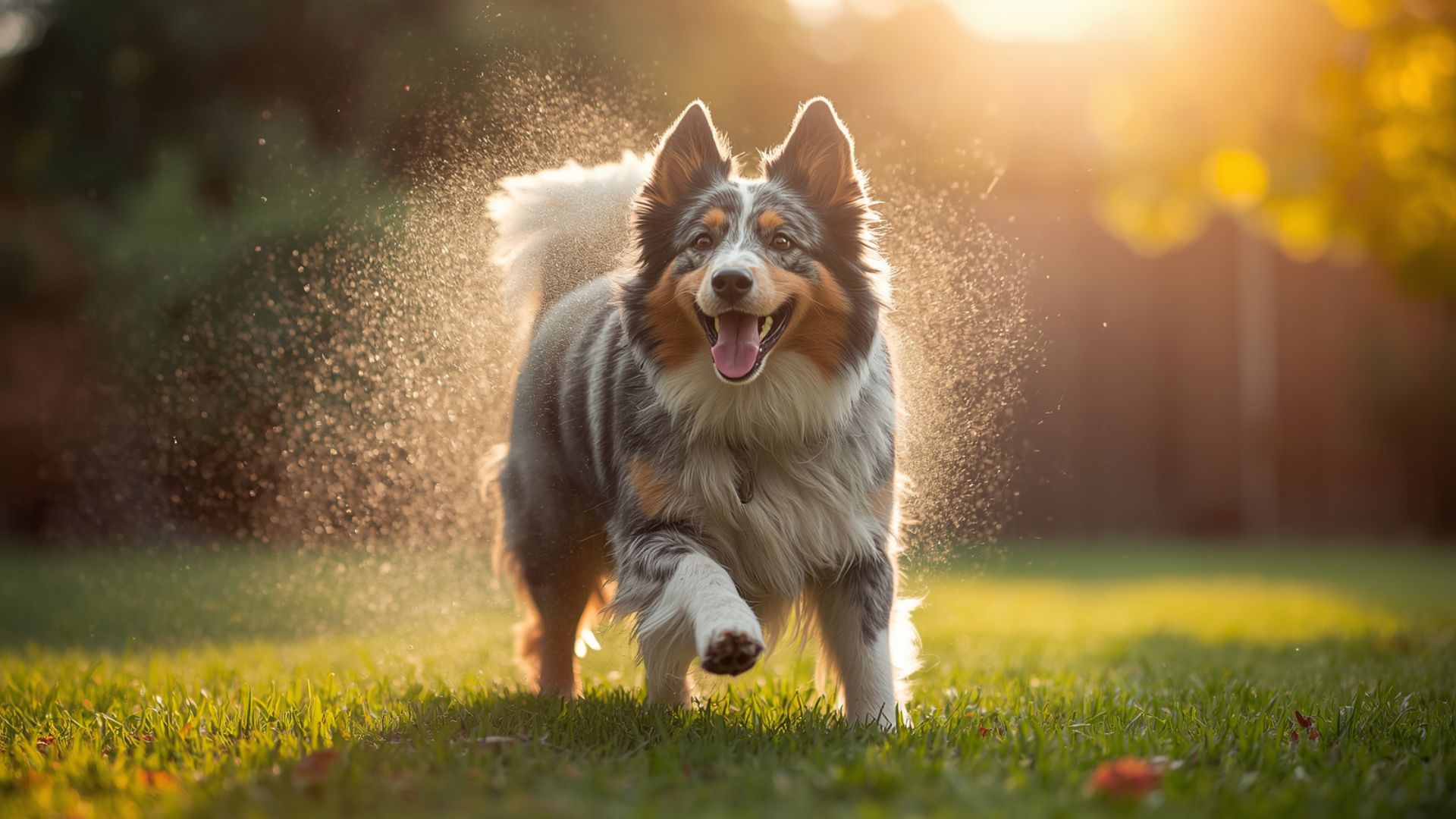
Although shedding cannot be fully prevented, it is possible to reduce it to a minimum and ensure that your dog has a healthy coat.
Brush Your Dog Regularly
One of the best methods of shedding control is by brushing regularly.
Most Blue Heelers do not require more than a brush once or twice a week. Brushing every day can be helpful during seasonal shedding.
A slicker brush, undercoat rake or shedding tool may assist in getting rid of loose hair before it gets on your floors and furniture.
Bathe When Necessary
Periodic bathing may aid in loosening dead hair and a healthy coat. But excessive washing may deprive the skin of natural oils and in fact increase shedding.
The Blue Heelers do not require frequent bathing except after a few months unless they get dirty.
Feed a High-Quality Diet
Balanced nutrition helps in healthy development of skin and coat. Omega-3 and omega-6 fatty acids are found in foods that can be used to enhance the quality of the coat and decrease unnecessary shedding.
Always select dog food that suits the nutritional requirements of your pet and consult your veterinarian in case you have any dietary concerns.
Keep Up With Veterinary Care
Regular veterinary examinations will help to detect underlying health problems before they can impact on the coat of your dog. It is also important to perform regular parasite prevention and monitor the health of the skin.
Is Blue Heeler Shedding Difficult to Handle?
Blue Heeler shedding is not a problem to most owners. Their short coat is less demanding to keep than most of the long-haired breeds and regular grooming can help to considerably cut down loose fur around the house.
The greatest difficulty normally arises in seasonal coat-blowing periods when shedding is at a high rate. During these times, more frequent brushing and cleaning may be necessary.
The intelligence, loyalty and affectionate nature of the breed make many Blue Healer owners believe that the inconvenience of the occasional shedding are far outweighed.
Tips for Keeping Your Home Free of Dog Hair
If you own a Blue Heeler, these simple strategies can help keep shedding under control indoors:
- Vacuum floors regularly.
- Apply washable furniture covers.
- Take your dog outside to groom him.
- Wash bedding frequently.
- Buy a pet hair removal device.
- Have your dog brushed regularly.
- Eat well and keep hydrated.
Even minor maintenance routines can go a long way in keeping dog hair under control all through the year.

Leave a Comment