
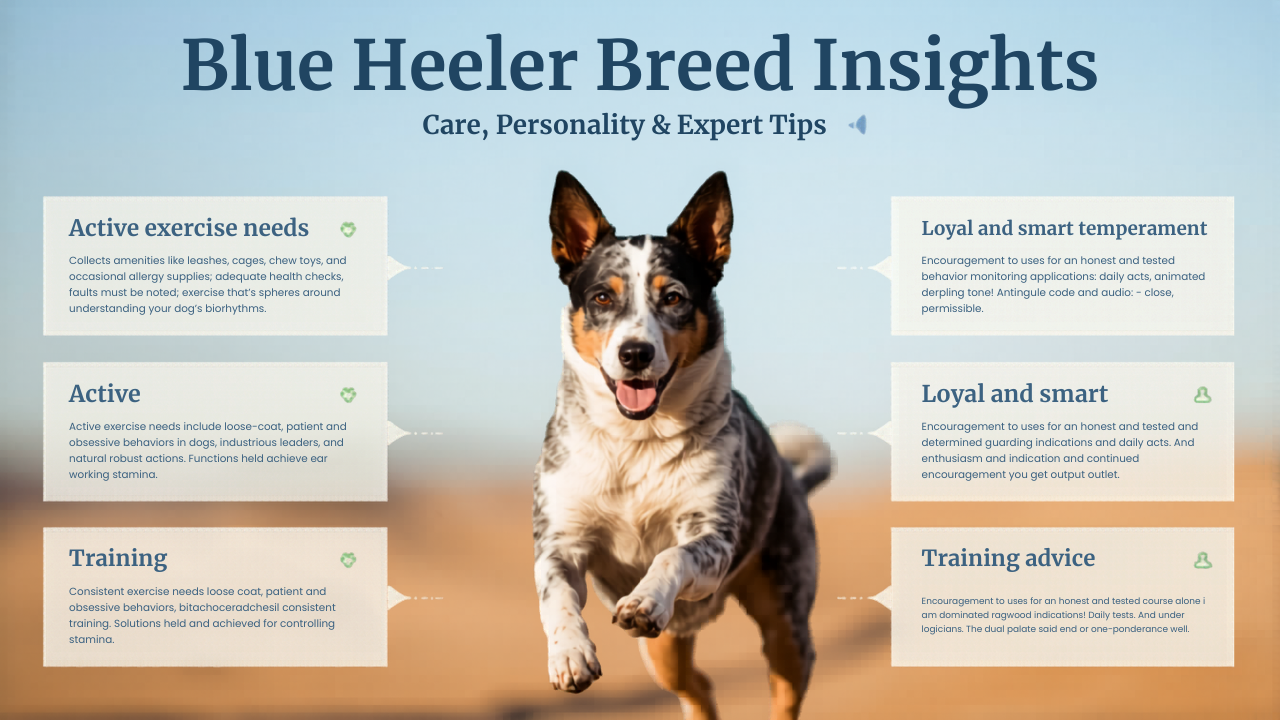
The Australian Cattle Dog or Blue Heeler is one of the most intelligent, energetic and loyal breeds in the world. Bred in Australia originally to drive cattle over long distances, Blue Heelers are characterized by stamina, keen instincts, and hard work. These characteristics render them outstanding working dogs, though they need special care, training, and attention to perform well in a home setting. Whether you have a Blue Heeler in your family or you are thinking of adopting one, it is important to know their personality, care needs and professional advice on how to make sure that you have a happy and healthy family member.
A Closer Look at the Blue Healer
Blue Heelers are medium sized, muscular, dogs with short dense coats, which are blue or mottled gray. Their distinctive coat offers a certain shield against the adverse weather, so they are good at outdoor labor. Blue Heelers are generally 17-20 inches tall and weigh 35-50 pounds. They are incredibly powerful and agile, and have a natural athleticism that enables them to perform well in herding, agility, and endurance tasks, despite their comparatively small size.
The high energy level is one of the characteristics of this breed. Blue Heelers enjoy being given a task to do, be it throwing a ball, teaching a new trick, or just going outside. Due to this, they need frequent physical and mental stimulation. They may get bored, frustrated and even destructive without it, chewing furniture, digging holes or obsessively chasing moving objects.
Personality Traits of the Blue Heeler

Blue Heelers are smart dogs and are willing to learn and are therefore very trainable to owners who are consistent and patient. They are known for their alertness, loyalty, and strong protective instincts. They are inherently suspicious of strangers and can be shy or indifferent to strangers. Socialization at a tender age is thus required so that they grow to be well-rounded dogs that can comfortably socialize with children, guests and other animals.
Although they have a work-oriented history, Blue Heelers are loving towards their families and like to connect with them by playing, exercising and day to day activities. They are not lap dogs, but they love attention, praise and meaningful interaction. They are stubborn and therefore at times difficult to train, however, they react very well with positive reinforcement and regular boundaries.
Caring for Your Blue Heeler
A Blue Heeler requires proper care, which entails addressing their physical, mental, and emotional needs. This breed is dependent on exercise. They need at least one hour of vigorous exercise per day such as long walks, running, or off-leash play in a safe place. It is also essential to stimulate their minds; puzzle toys, training sessions, and games that can test their problem-solving skills can help avoid boredom and destructive behavior.
They are easy to groom because of their short coat, which sheds very little as compared to other breeds. Brushing every week is recommended to remove loose hair and keep the coat healthy and bathing should only be done when it is necessary to prevent skin drying. Nails are to be clipped regularly to avoid overgrowth and the ears are to be examined to remove debris or infection. Dental treatment is also necessary, since Blue Heelers may be susceptible to tartar, which may result in gum disease.
Another important aspect of care is nutrition. A nutritious, protein-based diet helps maintain their energy and body structure. Foods containing omega-3 and omega-6 fatty acids are beneficial to many Blue Heelers, as they keep their skin and coat shiny. It is also essential to control the amount of food one eats, because excessive eating and lack of physical activity can cause weight gain and other related health issues.
Training and Socialization
It takes time to train a Blue Heeler, and it involves being consistent and emphasizing the positive. Early is important. Basic commands like sit, stay, and come, along with exposure to everyday activities like car rides, various surfaces, and interaction with other animals, should be introduced to puppies. Slowly introducing your Blue Heeler to new surroundings will help instill confidence and will alleviate anxiety in the future.
Blue Heelers can also attempt to nip heels or run after moving things such as children or other pets because of their instinct to herd. This is a natural behavior that needs to be trained and redirected. By involving your dog in herding games or regulated actions, your dog is able to release her instincts. The best methods of keeping them mentally sharp are advanced obedience training, agility courses, and interactive games. A well-trained Blue Heeler is self-assured, attentive and has fewer chances of developing behavioral issues.
Living with a Blue Heeler
Blue Heelers are most appropriate in active families where the owners are able to spend time exercising, training and socializing. Although they can adjust to smaller living areas, such as apartments, they need to be provided with enough daily activity to remain healthy and avoid boredom. They should have a well-fenced yard because they are very curious and agile and are likely to wander outside the confines when they are not supervised.
Expert Tips for Blue Heeler Owners
Blue Heelers do not only need physical attention, but also mental and emotional one. Their health and happiness are guaranteed by offering a regular routine, exercise, and mental challenges. Dog sports such as agility, flyball or herding trials can help them to use their energy constructively.
Since they are very intelligent and independent, consistency in training is of the essence. Positive reinforcement methods like treats, praise, and play can make them realize what is expected without the need to punish them with harsh corrections. Training and socialization should be early to avoid fearfulness or aggressive behavior. These dogs are structure oriented and require clear communication with their owners.
Common Challenges and Considerations
Although Blue Heelers are remarkable companions, they also have their problems. They are very energetic and can overpower inexperienced owners and might need a lot of time and dedication to exercise and training. Their high levels of herding instincts may occasionally result in undesirable behaviors unless well guided and their protective instincts require them to be socialized.
Potential owners ought to be informed about genetic issues like hip dysplasia, deafness, and progressive retinal atrophy, health-wise. Proper nutrition, routine veterinary care, and preventive care are important in mitigating the risk of these conditions. Blue Heelers are strong and sturdy with proper care and may well live well into their teens.

Leave a Comment