

Dogs are more than just pets—they’re family members. Keeping them healthy and happy is every dog owner’s priority. Unfortunately, dogs are prone to certain health problems, some of which can become serious if not addressed early. Understanding the most common dog health issues and learning how to prevent them can significantly improve your dog’s quality of life.
Obesity
Obesity is one of the most prevalent health problems among dogs. Fat dogs are more susceptible to heart disease, diabetes, arthritis and even reduced life expectancy. Overfeeding, inactivity, and low-quality dog food are some of the causes of obesity.
Prevention Tips:
Balanced diet: Feed your dog on a good quality diet that suits their age, breed and activity level. Avoid giving table scraps or excessive treats.
Exercise: Walks, playtime and mental stimulation are exercises that will keep your dog fit.
Portion control: Weigh food portions and do not free-feed, which results in overeating.
Dental Disease
Dental issues are so common in dogs and they are usually ignored. The accumulation of plaque and tartar may cause gum disease, tooth loss, and other organ infections, such as the heart and kidney.
Prevention Tips:
Brushing: Have your dog brush its teeth at least 2-3 times a week with dog-safe toothpaste.
Dental chews: Offer dental chews or toys that help decrease the amount of plaque.
Veterinary exams: Have your dentist clean your teeth as advised by your veterinarian.
Ear Infections
Ear infections are particularly prevalent in dogs whose ears are floppy, like Cocker Spaniels or Basset Hounds. They may be due to bacteria, yeast, allergies, or too much moisture in the ear canal. The symptoms are scratching the ears, redness, odor, and discharge.
Prevention Tips:
Frequent cleaning: Clean your dog ears with a recommended solution by a veterinarian.
Ears dry: Dry the ears of your dog after swimming or bathing.
Keep an eye on allergies: Food or environmental allergies may predispose to ear infections, and thus, deal with them as soon as possible.
Fleas and Ticks
Fleas and ticks are not only annoying but also can carry serious diseases such as Lyme disease, ehrlichiosis, and tapeworm infections. Outdoor dogs are especially susceptible.
Prevention Tips:
Preventive medications: Take preventatives against fleas and ticks, as prescribed by the veterinarian, all year round.
Frequent grooming: Clean your dog regularly and bathe him/her as necessary.
Yard care: Maintain your yard clean and trim without tall grass where ticks can survive.
Skin Problems
Dogs are susceptible to skin conditions, such as allergies, infections, and hot spots. The symptoms may include itching and redness, hair loss and unpleasant smells. Dogs that have sensitive skin or some breeds, such as Bulldogs and West Highland Terriers, might be more susceptible.
Prevention Tips:
Good grooming: Brush your dog to clean it and get rid of loose hair.
Balanced diet: Omega-3 and omega-6 fatty acids have the potential to enhance the health of the skin.
Veterinary care: Consult as soon as persistent itching or rashes occur to avoid infections.
Arthritis
Arthritis is a degenerative joint disorder that is prevalent in old dogs. It brings about pain, stiffness, and difficulty in movement. Big dog’s such as Labradors and German Shepherds are more likely to develop arthritis, but even small dogs can develop it.
Prevention Tips:
Keep weight healthy: Overweight puts pressure on joints and hastens arthritis.
Exercise: Light and regular exercise will keep joints flexible.
Supplements: Glucosamine and chondroitin supplements can help maintain the health of the joint, but should be used with consultation of your vet.
Heart Disease
Heart disease is a severe ailment that may occur in dogs of any age. Typical symptoms are coughing, shortness of breath, fatigue, and loss of weight. The condition is important to be detected at an early stage.
Prevention Tips:
Frequent vet checkups: Routine checkups can be used to identify heart problems at an early stage.
Healthy diet: Feed a heart-healthy diet with low sodium content and high in essential nutrients.
Exercise: Moderate exercise is beneficial in keeping the heart in good shape.
Gastrointestinal Issues
Vomiting, diarrhea, and constipation are common gastrointestinal problems in dogs. They may be due to dietary indiscretion, infections, parasites or more severe causes such as pancreatitis.
Prevention Tips:
Keep off human food: Dogs are poisoned by many foods, including chocolate, onions, and grapes.
Slow transition to a new diet: Add new foods gradually to avoid upset stomachs.
Clean water: Have fresh clean water on hand at all times.
Diabetes
Diabetes is becoming a prevalent disease among the dogs, particularly the overweight and middle-aged dogs. They include excessive thirst, frequent urination and unexplainable weight loss. Unattended diabetes may cause serious complications, such as kidney failure.
Prevention Tips:
Healthy weight management: Prevent obesity by eating and exercising.
Frequent vet check-ups: Blood tests can be used to detect early.
Regular feeding: Good diet and control of portions can be used to control blood sugar levels.
Cancer
One of the causes of death among older dogs is cancer. It may attack virtually any part of the body and the manifestations differ according to the type and location. Survival rates are enhanced with early detection and treatment.
Prevention Tips:
Routine checkups: Annual veterinary checkups can identify tumors or abnormal growths at an early stage.
Healthy lifestyle: Proper diet, physical activity, and not being exposed to dangerous chemicals can help decrease risk.
Spaying/neutering: Dogs that are spayed or neutered early on are less likely to get certain types of cancer.
Eye Problems
Eye diseases such as cataracts, glaucoma, and infections are prevalent in dogs, particularly in old age. The symptoms are redness, cloudiness, excessive tearing, and squinting.
Prevention Tips:
Frequent eye examinations: Check the eyes of your dog to determine whether they are red, discharged, or cloudy.
Keep eyes clean: Gently wipe away debris with a damp cloth.
Keep safe: Do not expose dogs to sharp objects or chemicals that may irritate eyes.
Prevention is the Key
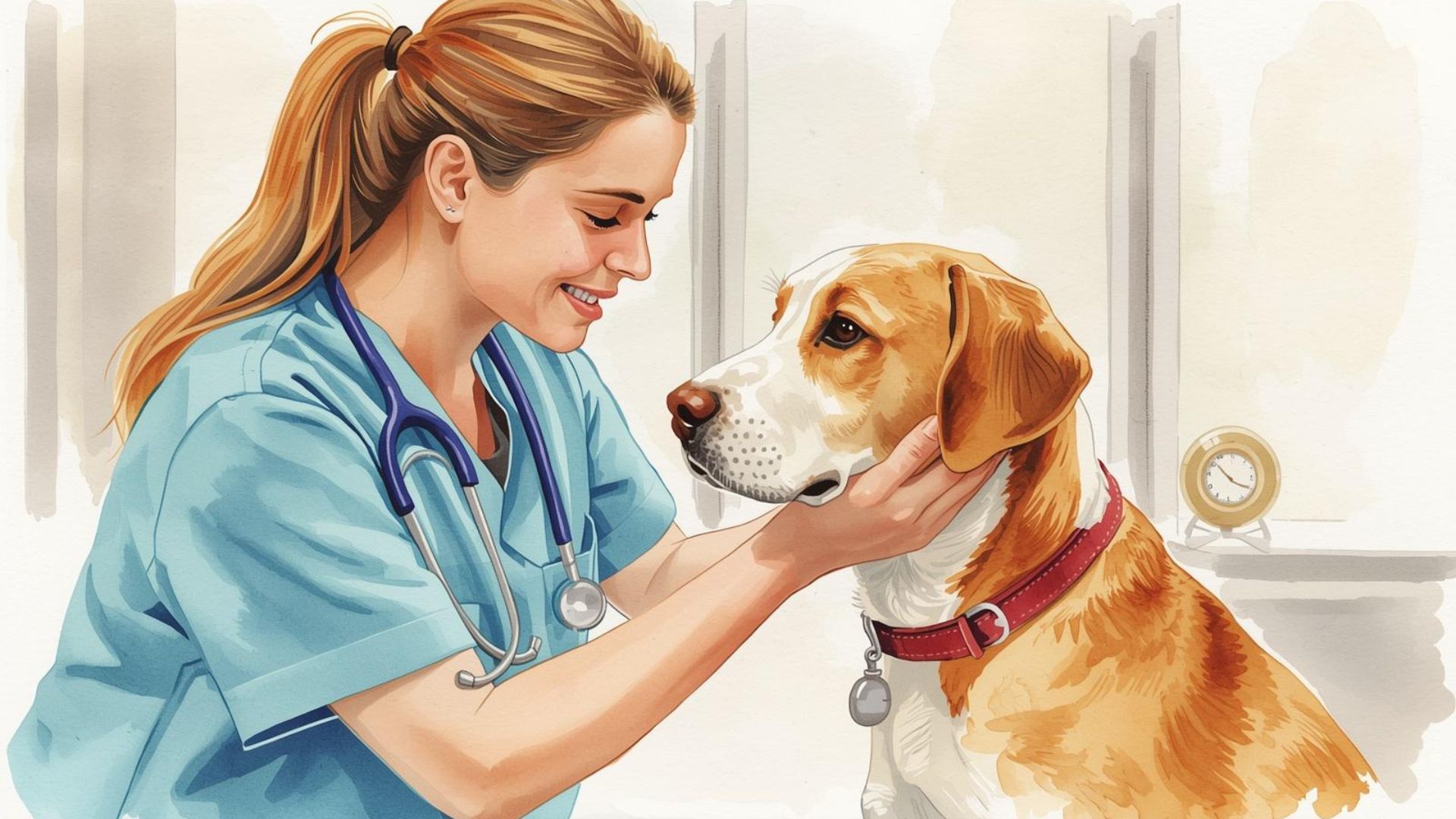
It is always easier to prevent health problems than to cure them. Most common dog health problems can be significantly lowered with regular visits to the veterinary, vaccination, parasite prevention, and healthy lifestyle.
General Dog Health tips:
Vet Checkups: Have at least one checkup per year, more often with elderly dogs.
Vaccinations: Keep your dog up-to-date on vaccines to prevent infectious diseases.
Parasite Control: Have a regular flea, tick, and heartworm control.
Mental Health: Dogs require mental stimulation by playing, training, and socializing.
Hydration and Diet: Clean water and balanced diet promote health and immunity.
Maintaining Your Dog’s Health for Life
It is possible to make sure that your furry friend will live a long, happy, and healthy life by being aware of the most common health issues in dogs and taking proactive steps. The most common health problems that dogs encounter include obesity, dental disease, ear infections, skin problems, arthritis, heart disease, gastrointestinal problems, diabetes, cancer, and eye problems. Most of these problems can be prevented or controlled with the help of proper diet, exercise, regular visits to the vet, and prevention.
With a watchful eye and an informed mind, you will be able to give your dog the best care it can get and ensure that your dog lives many more years. A happy dog is a healthy one, and a happy home is a happier one.








Leave a Comment