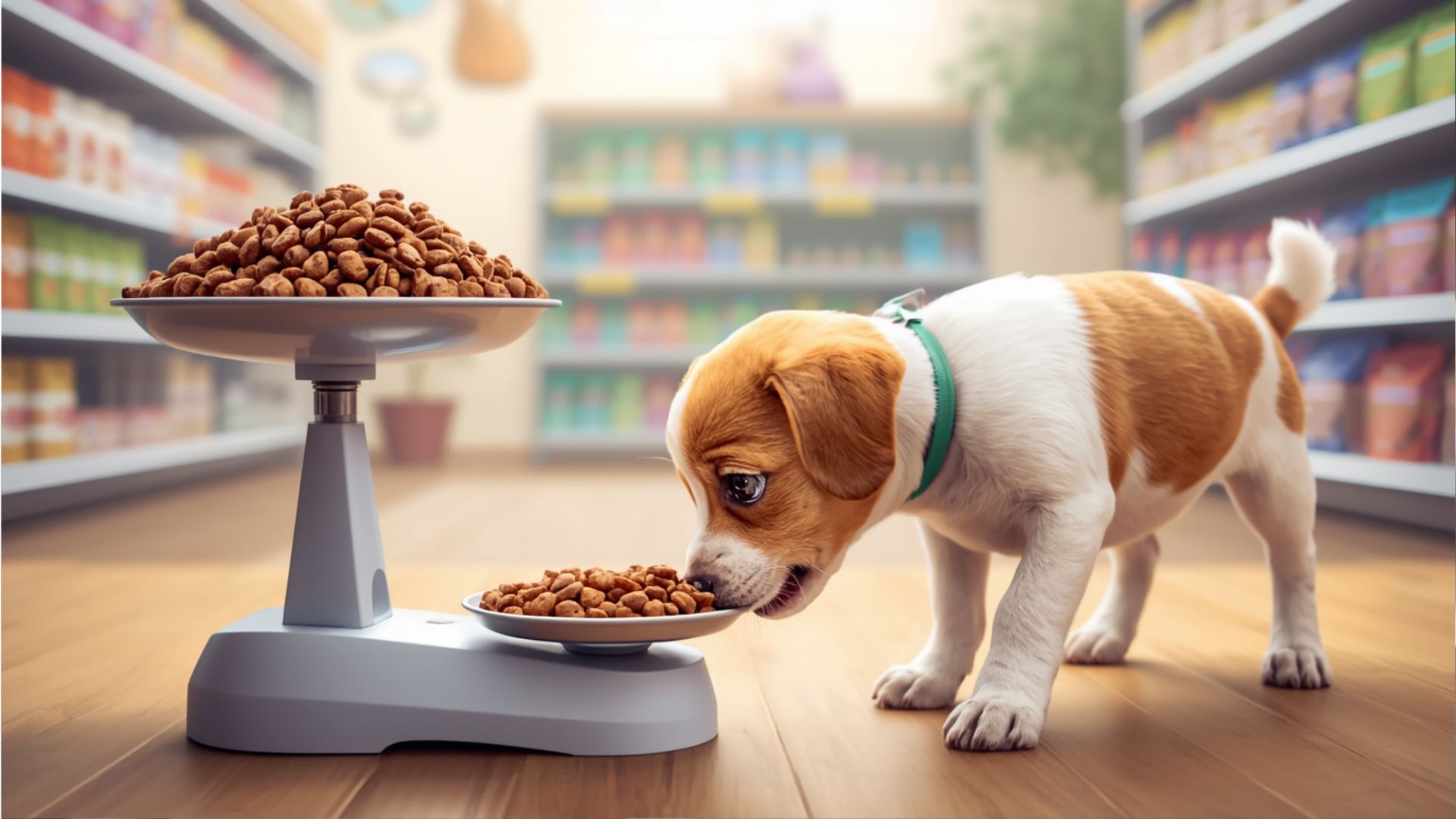
You are not the only one who has found themselves in his or her kitchen without knowing how to measure the food of his or her dog. The most popular question that pet owners ask is: how many cups of dog food are in a pound? The response is not always simple since dog food is not always the same in terms of density, shape and brand formulation. Nevertheless, knowing the overall conversion and what influences it can simplify feeding your pet significantly and make it more precise.
Understanding Cups and Pounds in Dog Food Measurement
It is best to have an idea of what these measurements are before changing cups to pounds and in the context of pet food. One pound is a unit of weight and a cup is a unit of volume. This distinction is significant since dog food does not come in the same size and density.
Dry kibble, such as that, consists of various shaped pieces that may differ in the amount of air between them. It is that a cup of one brand will weigh more–or less–than a cup of another brand. Most dog food producers do have feeding instructions on the package, but most pet owners still desire a rule of thumb to refer to.
This simple relationship in most situations can assist you in estimating portions without having to use a scale each time you feed your dog.
How Many Cups Are in a Pound of Dog Food?
A 1-pound dry dog food is estimated to be 3.5 to 4.5 cups on average. This is the range that is most widely agreed upon by pet owners and veterinarians, but it may vary a bit depending on the product.
Denser, heavier kibble will be closer to 3.5 cups per pound, whereas light, airy kibble can be as high as 4.5 cups per pound and a little higher. This implies that there is no exact conversion, but the range is good enough to be used in daily feeding.
To simplify:
1 pound of dog food ≈ 3.5 to 4.5 cups
5 pounds of dog food ≈ 17.5 to 22.5 cups
10 pounds of dog food ≈ 35 to 45 cups
This estimate can be used when you are planning to feed a large number of people or to divide meals over multiple days. Nevertheless, it is always better to measure the particular bag to get the most precise measurement.
Factors That Affect Cup-to-Pound Conversion
The amount of cups in a pound of dog food depends on several factors. One of the biggest factors is density. Certain kibble is dense and compact whereas others are puffed or baked, thus lighter and less dense.
The other one is kibble shape and size. Kibble that is small and tightly packed will occupy less space per pound than irregularly shaped kibble. This alters the number of cups you obtain with the same weight.
The content of moisture is also a factor particularly in semi-moist or soft dry foods. Minor variations in moisture can vary weight without causing a significant change in volume.
Lastly, brand formulation is important. Various brands have varied ingredients such as meat content, grains or fillers, all of which influence density. That’s why two different dog food brands may have noticeably different cup-to-pound ratios even if both are labeled as “dry kibble.”
Dry vs Wet Dog Food Differences
Speaking about cups and pounds, one should make a difference between dry and wet dog food. The cup-to-pound conversion mainly applies to dry kibble, since it can be measured by volume.
Wet dog food, however, is typically counted in cans or by weight as opposed to cups. It is not feasible or customary to turn it into cups since it contains a significantly greater amount of moisture.
The most commonly measured type is dry dog food since it is simpler to store, portion, and serve on a regular basis. But when you are feeding a combination of wet and dry food, you should not directly compare them by cup measures as they are very different in nutritional value.
This difference will help you not to overfeed or underfeed your dog, particularly when changing the type of food or combining them.
How to Measure Dog Food Accurately at Home
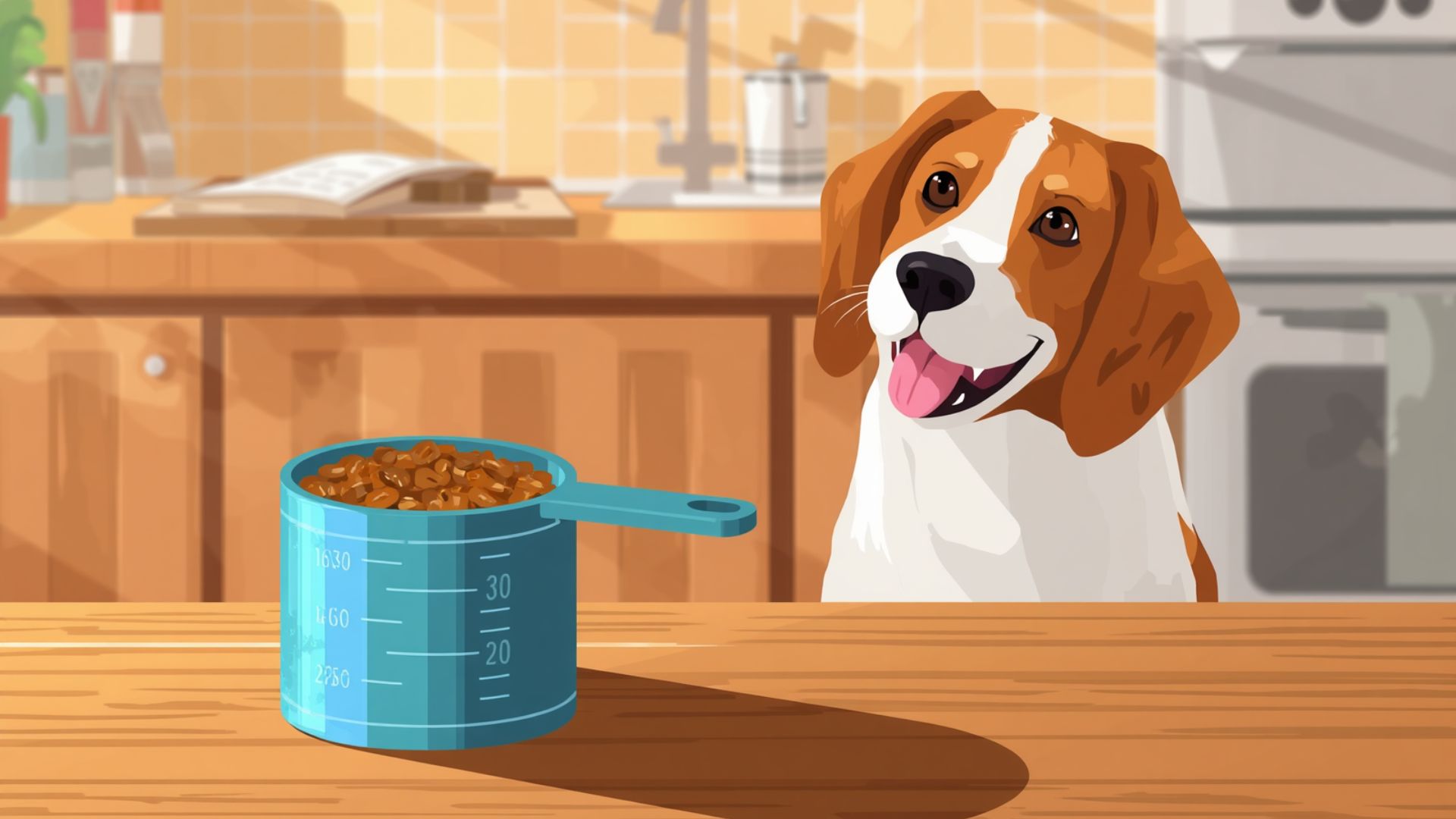
Proper measurement is important in keeping your dog healthy, particularly in weight control and nutritional balance. While it may be tempting to “eyeball” portions, even small inaccuracies can add up over time.
The most accurate way is by using a standard dry measuring cup. Pack the cup but not too hard and then smooth it off. Do not use random household cups, which can be of different sizes.
To be even more precise, a scale can be utilized in a kitchen to weigh dog food. This removes discrepancies due to varying kibble shapes or densities. It is common among pet owners to weigh food and then mark the cup equivalent to make it easier to feed the pet on a daily basis.
It is also advisable to use the same method of measuring regularly. The use of heaping cups and level cups may result in unintentional overfeeding.
Feeding Guidelines and Portion Control Tips
It is useful to know how many cups of dog food go to the pound, but that is only a part of correct feeding. Dogs vary in their nutritional requirements depending on their size, age, activity and health status.
The feeding guide on the dog food packaging should always be used as a starting point. These are guidelines that are founded on average calorie needs and are a good starting point. At that point, you can add and subtract portions depending on the body condition and energy levels of your dog.
Active dogs might need a bit more food, whereas less active or older dogs might need fewer calories to be at a healthy weight. It is important to keep an eye on the weight of your dog so you can be sure that you are feeding the appropriate quantity.
Another good tip is to eat two meals a day rather than one. This aids in improved digestion and ensures that there is a consistent energy level during the day.
Lastly, keep in mind that snacks are counted as part of the daily calories. Treats can easily negate the measured meal portions, even when you are measuring cups of dog food per pound.
Understanding Dog Food Portions
So, how many cups to a pound of dog food? It is approximately 3.5 to 4.5 cups, depending on the brand and type of kibble. Although this range is a useful guide, the best way to be sure is to always look at the packaging of the particular food and use the same method of measurement.
Knowing the fundamentals of measuring dog food and proper portion control will help you keep your pet healthy, well-nourished, and happy on a daily basis.

Leave a Comment