
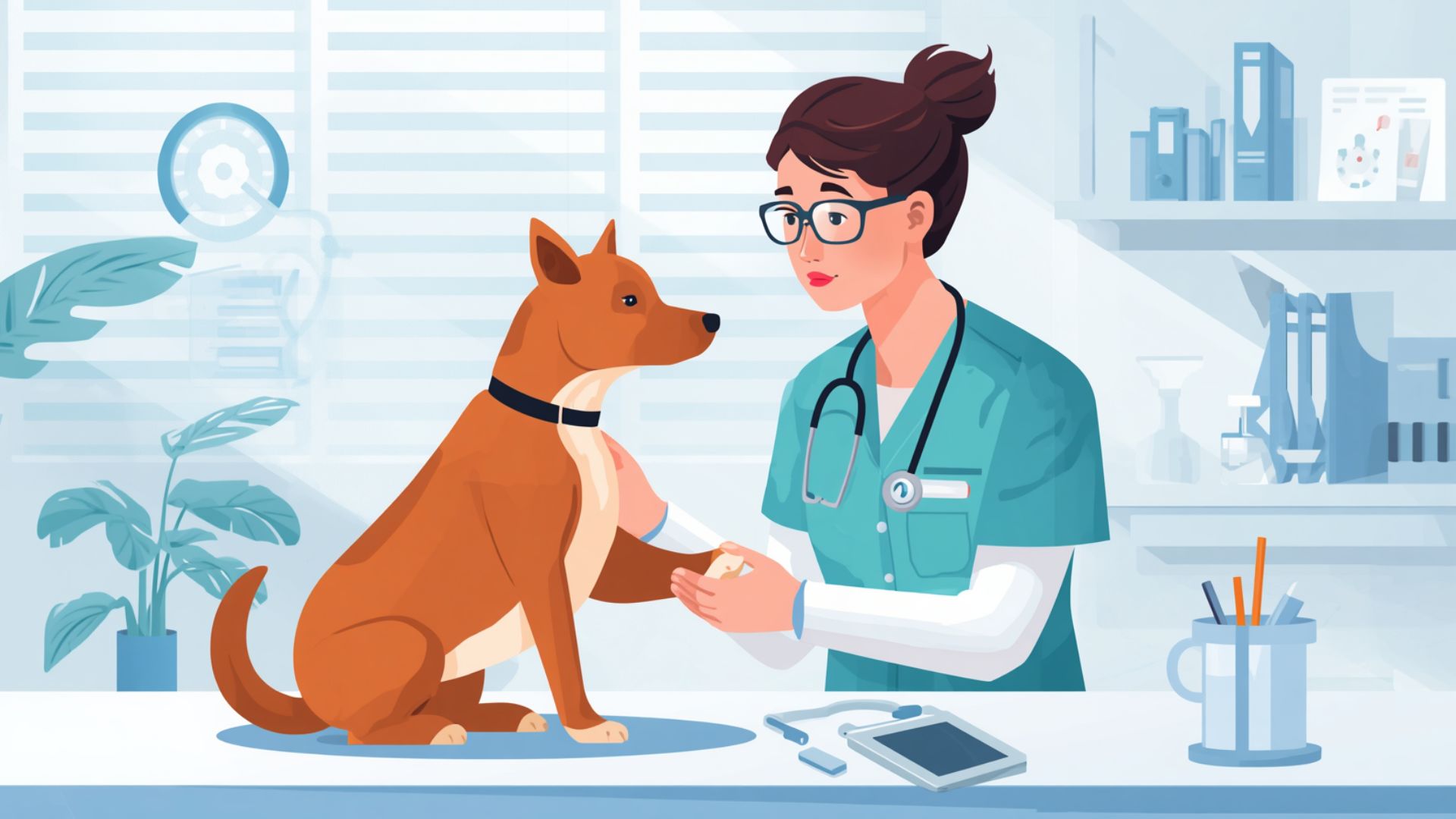
Most pet owners have heard of declawing in cats but some have questioned whether the same can be done to dogs. When your dog claws furniture, people or floors with its nails, you might have wondered, Can dogs be declawed? The simple answer is no, dogs are not usually declawed, and the practice is not safe, humane, or necessary.
To realize why dogs cannot be declawed, it is necessary to learn about the anatomy of a dog, the role of its claws and what options can be used to deal with the problem of nails.
This guide tells all the dog owners about declawing, nail care, and how to keep their pets healthy and happy.
What Does Declawing Mean?
Declawing is a medical operation that involves the removal of a claw and the bone that it is attached to. In cats, declawing involves amputating the last bone of each toe. It is not merely a nail removal process, but a major surgery.
Declawing is often mistaken to be the removal of the nail only. Actually, it permanently changes the anatomy of the animal. Due to the dangers and ethical issues surrounding the operation, declawing has become a hotter topic and is prohibited or limited in most locations.
Why Dogs Need Their Claws
The claws of a dog have a number of functions which are significant to its health and mobility.
Balance and Stability
Dogs have claws to keep balance when walking, running and turning. The claws assist in giving traction on different surfaces to minimize chances of slipping.
Digging and Natural Behaviors
Many dogs instinctively like to dig. Claws enable them to dig holes, bury objects and perform normal activities that help them to be mentally stimulated.
Traction During Exercise
Dogs use their claws to hold the ground whether running in a backyard, hiking on a trail, or playing fetch. This traction enhances performance in sports and prevents injuries.
Protection and Defense
Though the majority of pets in families do not have to protect themselves, claws may give some protection to a dog in case it feels threatened.
Why Veterinarians Do Not Recommend Declawing Dogs
Veterinary professionals tend to object to declawing dogs in a number of ways.
To start with, the process may be very painful since it entails the removal of a section of the toe. The process of recovery can be long and painful.
Second, the elimination of claws may influence the gait of a dog. Gait alterations can cause excessive stress on joints, which can result in orthopedic issues in the long term.
Third, dogs rely on their claws to move around. Removing them can reduce mobility and negatively impact quality of life.
Lastly, safer and more effective options tend to exist in dealing with nail-related issues.
Medical Situations Where Claw Removal May Be Necessary
Although cosmetic declawing is not advisable, there are extreme cases when a veterinarian can take out a claw or a section of a toe.
Severe Injuries
In case a claw is severely injured in an accident and cannot be restored, it might be required to be surgically removed to avoid chronic pain and infection.
Cancerous Growths
Some tumors may grow in or about the nail bed. In such situations, it might be necessary to remove the affected claw or toe to safeguard the health of the dog.
Serious Infections
Some cases of persistent infections that are not responsive to treatment may necessitate surgical intervention.
These surgeries are not done due to convenience but because of medical reasons and are well considered by the veterinary professionals.
Alternatives to Declawing Dogs
Luckily, a number of humane options exist that can be used to treat scratching and nail-related issues.
Regular Nail Trimming
One of the best methods to avoid accidental scratches and damage to floors or furniture is to trim nails regularly. Majority of dogs enjoy nail trimming after every few weeks.
Nail Grinding
A lot of pet owners choose to use a nail grinder, rather than traditional clippers. Nail edges can be smoothed and sharpened by grinding.
Training and Behavior Management
Training dogs to avoid jumping on humans can go a long way in preventing cases of scratching. Regular training and positive reinforcement can yield great results.
Protective Nail Caps
Dog nail caps can be used to cover the nails in the meantime. These products assist in reducing the scratches and the dog retains its natural claws.
How to Keep Your Dog's Nails Healthy
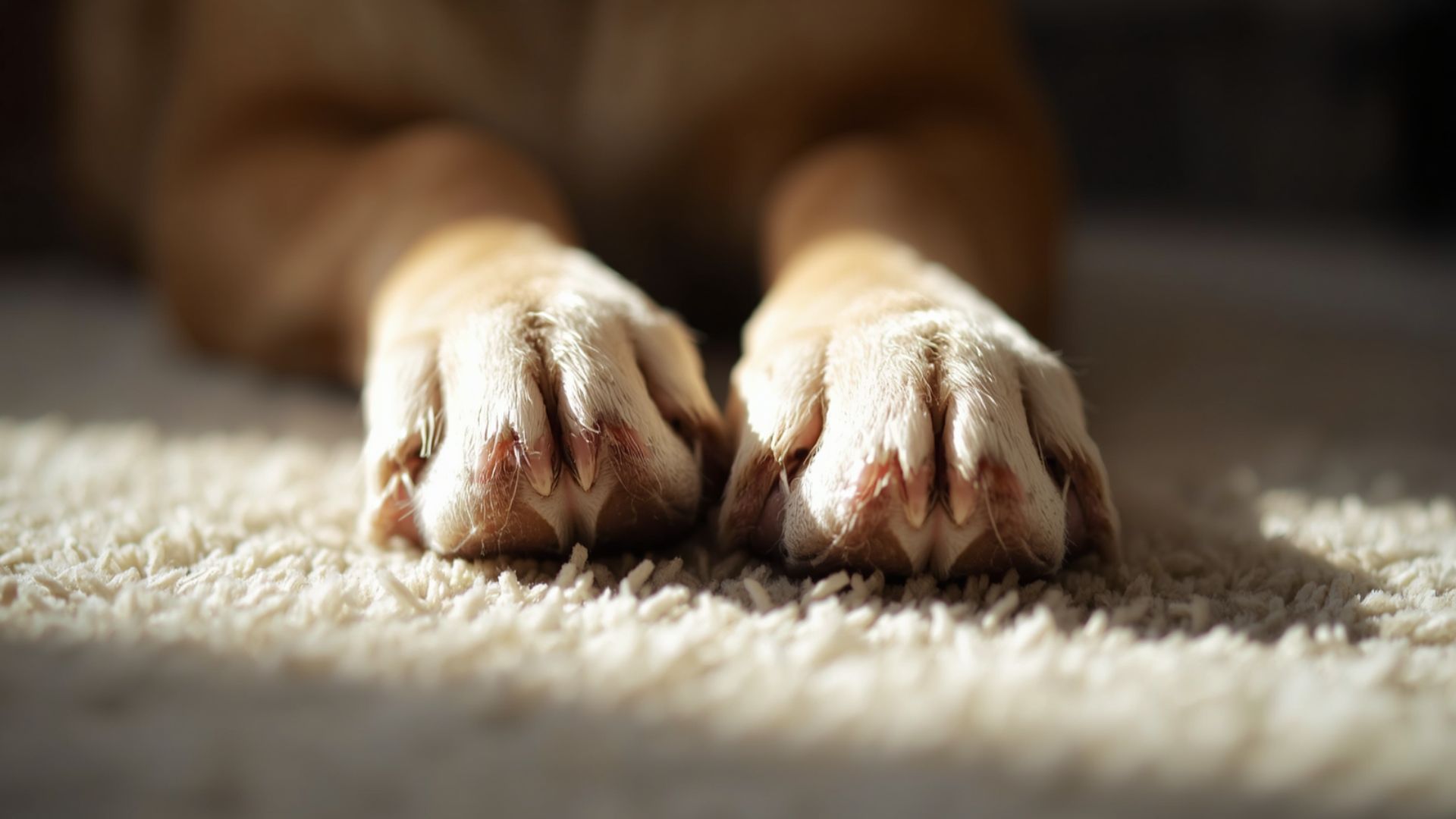
Nail care is a significant aspect of pet health.
Check the nails of your dog to see whether they are cracked, split, or infected. Trim the nails to the required length and make sure that they do not turn inward towards the paw pads.
Nails can also be worn down by exercising regularly on the sidewalks and other hard surfaces. Nevertheless, the majority of dogs still need to be trimmed occasionally.
In case you do not know how to cut the nails of your dog safely, then you can ask a veterinarian or a professional groomer to guide you on how to do it.
Signs Your Dog May Have Nail Problems
Owners of dogs need to observe any symptoms that may be signs of nail or paw problems.
Typical red flags are:
- Difficulty walking or limping.
- Licks the paws too much.
- Swelling around the nail bed.
- Blood on the nail.
- Splintered or fractured nails.
- Sensitivity of the paw.
Minor issues can be avoided and turned into serious health problems with the help of timely veterinary care.
Common Myths About Declawing Dogs
Several misconceptions exist regarding declawing and canine nail care.
A myth is that declawing is like nail trimming. Declawing is in fact more invasive and is surgically amputated.
The other myth is that dogs can work without claws. Although dogs may adjust to certain physical alterations, claw removal may have a considerable impact on balance, mobility, and comfort.
There are also those who think that declawing helps to avoid behavioral problems. But it is far safer and more effective to train, exercise and keep the nails trim.









Leave a Comment