
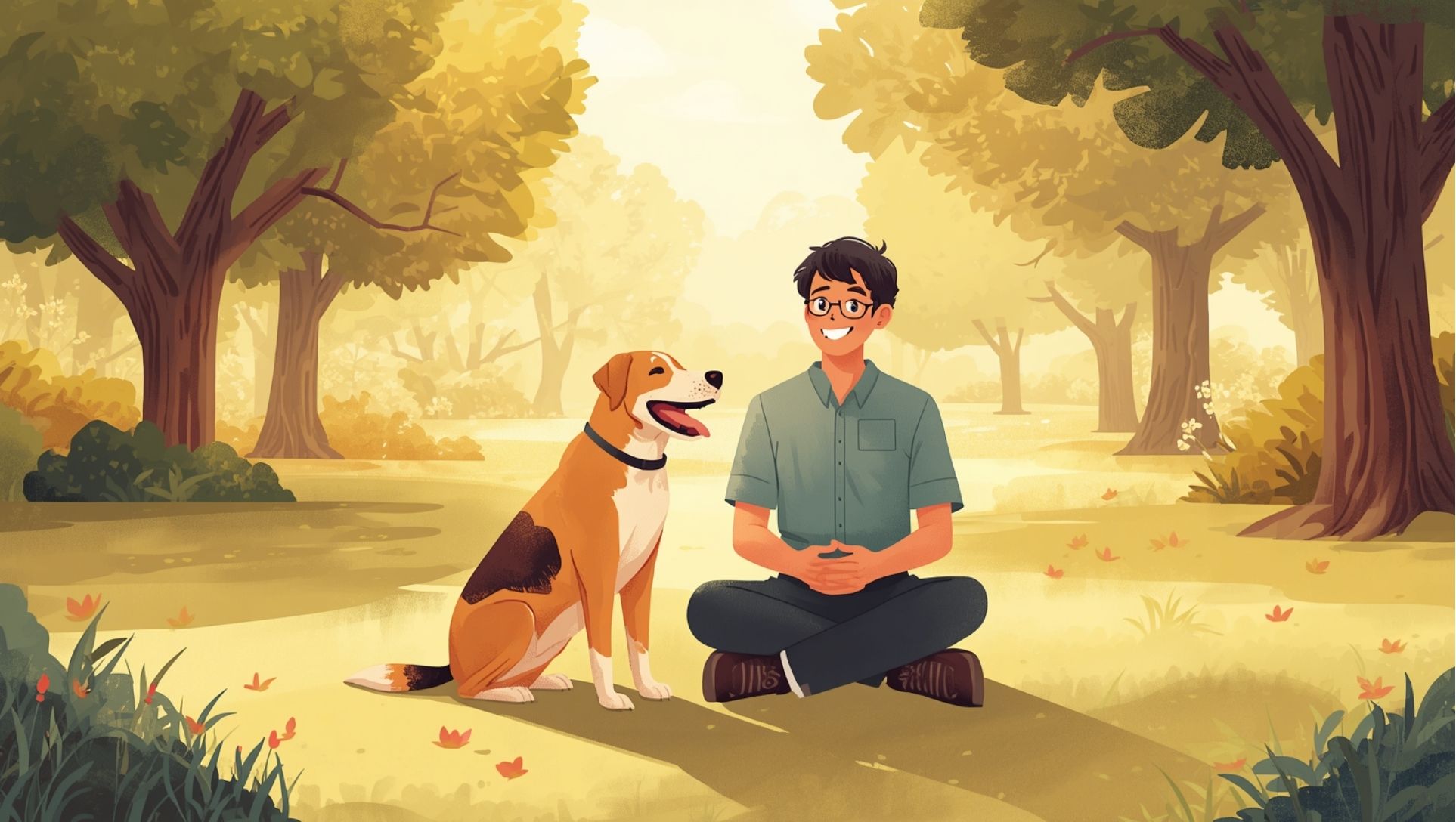
Adopting a puppy is a thrilling process, yet it requires time, practice, and lots of affection to raise a well-mannered dog. The behavior that your puppy acquires in the initial few months may determine the way they will act in their lives. House training and simple commands, socialization and control of undesirable behavior are only a few of the ways in which the right approach can make the puppyhood easier and more enjoyable.
A well-behaved dog is not created through punishment or fear. Rather, puppies are most likely to learn when they know what is expected of them and when they are rewarded when they make good choices. This puppy guide covers the essential steps you need to raise a confident, friendly, and obedient companion.
Start With a Consistent Routine
Routine is important to puppies as they are used to knowing what to expect. Create routines of eating, bathroom, play, training, naps and sleep.
House training can also be made easy with a regular routine. When you wake up, eat, drink, play and before going to bed, take your puppy outside. Young puppies do not have a strong bladder and therefore, regular bathroom breaks are essential.
Make feeding times regular and do not keep changing the daily routine of your puppy. Although life is not always going to be in a perfect routine, a simple routine will make your puppy feel safe and learn the expectations of the home quicker.
Focus on Positive Puppy Training
One of the best methods of teaching a puppy good behavior is through positive reinforcement. Reward your puppy when they do something right instead of just paying attention to the mistakes they make.
Reward desired behaviors with small treats, praise, toys or love. As an illustration, when your puppy sits rather than leaping on a guest, be sure to praise the composed act immediately.
Begin with basic commands like sit, stay, come, down and leave it. Training sessions should be brief as puppies have short attention spans. A number of five-minute sessions during the day may prove to be more effective than a single long session.
Always repeat the same command and reinforce good behavior. When one of the family members tolerates a behavior and another one disapproves of it, your puppy will be confused.
Make Socialization a Priority

To have a confident and well-adjusted dog, early socialization is necessary. Puppies are supposed to get used to various individuals, sounds, surroundings, surfaces, and suitable creatures.
Bring in new experiences gradually and ensure that they are positive. Your puppy will be exposed to cars, vacuum cleaners, doorbells, kids, grooming equipment, and active outdoor situations. Praise serene conduct on such experiences.
Do not subject a frightened puppy to a situation. In case your puppy seems to be nervous, move back and give him time to watch until he feels at ease. This is aimed at instilling confidence and not intimidating them.
Structured training and controlled socialization can also be offered in puppy classes. Before exposing your puppy to social places, follow the recommendation of your veterinarian regarding safe interactions and vaccination.
Teach Good House Manners Early
The little puppy behaviors may turn to be frustrating adult behaviors when they are never corrected. Jumping, excessive barking, chewing furniture, stealing things, and begging to be fed should be addressed early.
When your puppy leaps on people, do not reward the act by giving attention to the dog. Rather, make them sit and praise them when all four paws are on the floor.
To chew, offer suitable toys and store tempting household items away. Puppies are explorers with their mouths and just saying no is insufficient. Provide them with an acceptable alternative.
Train your puppy to be quiet and get attention. Reward your dog when he is lying down or relaxing quietly. This teaches them not to be obnoxious or insistent in order to be heard.
Master House Training and Crate Training
House training is a time-consuming process that needs to be monitored. Observe your puppy and notice when it needs to go outside, e.g., sniffing, circling, whining or leaving the room abruptly.
Whenever possible, take them to the same assigned bathroom area and congratulate them after they are done. Accidents are normal during puppyhood. Wash them and do not punish them, this will instill fear in them without instilling the right behavior.
House training can also be done using crate training and this will give your puppy a comfortable place to sleep. Prepare the crate to be friendly with the right toys and safe bedding. Gradually introduce it and do not use the crate as a punishment.
The crate must be a secure area and not a place where your puppy will be kept during long hours. Puppies should be exercised regularly, interacted with, taken to the bathroom, and stimulated.
Provide Exercise and Mental Stimulation
A well-behaved puppy is not necessarily a tired puppy. Young dogs require a proper combination of physical exercise, rest, training, and mental stimulation.
Play games that promote problem solving, e.g. locating hidden treats or working with interactive toys. Even short training sessions are good mental workouts.
Exercise must be suitable to the age, breed, size, and development of your puppy. Exercise should be avoided, and those exercises that cause undue stress to the growing joints should be avoided.
Remember that puppies need plenty of sleep. In case your puppy is too hyperactive, bites, or uncontrollable, he or she is probably overtired and requires a calm nap.
Manage Puppy Biting and Unwanted Behaviors
Biting of puppies is normal, particularly during play and teething. However, puppies need to learn that human skin is not an appropriate chew toy.
When your puppy bites you during play, simply pause the play and redirect him to an appropriate toy. Instead, praise them when they play with the toy. Consistency will make them know the distinction between acceptable and unacceptable play.
Do not promote rough games where hands or clothing are grabbed in case you want your puppy to learn to play in a gentle manner. All the rules should be applied to everyone in the household.
In the case of constant barking, digging, jumping or any other undesired behavior, determine the cause of the behavior. Puppies can be naughty due to boredom, excitement, anxiety, attention seeking, or lack of proper outlets. It is frequently more effective to address the underlying need than merely correct the behavior.

Leave a Comment