
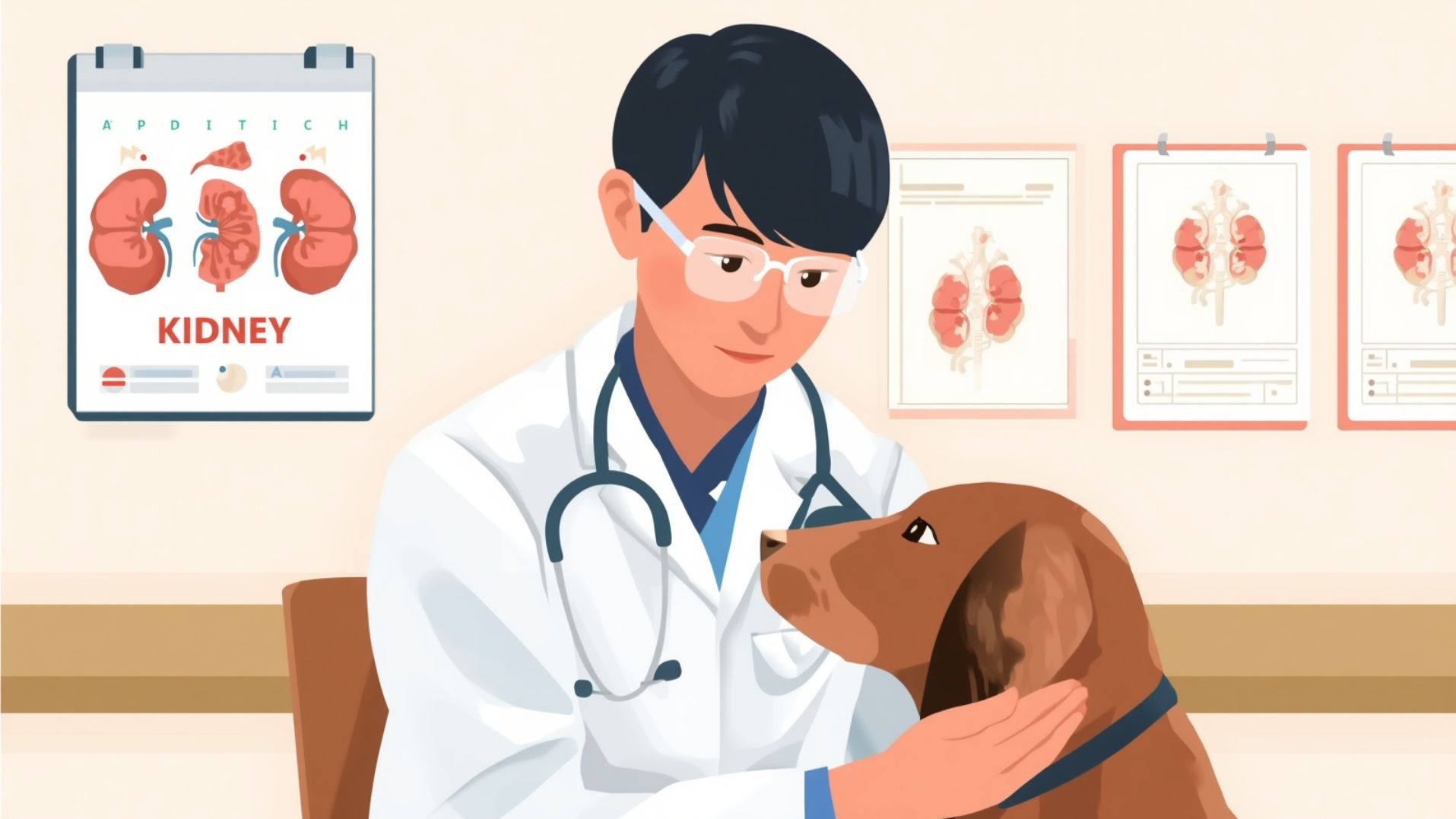
Kidney disease is a health issue that is very prevalent among dogs, particularly as they age. Kidneys are vital in eliminating waste in the blood, maintaining fluid balance, balancing vital minerals, and maintaining good health. As the kidneys start failing, the toxins in the body may accumulate, and this may impact on the quality of life of your dog.
The problem with kidney disease is that the initial symptoms can be mild and be disregarded. Most owners of pets might confuse the alterations in the behavior, eating habits, and bathroom habits of their dogs as part of their aging. Nevertheless, early detection of these red flags can go a long way in controlling the condition and ensuring that your dog remains comfortable.
Understanding Kidney Disease in Dogs
The dog’s kidneys never stop their work to get rid of waste products in the bloodstream and ensure a healthy internal balance. Kidney disease is a condition that arises when the organs are damaged and are unable to do their duties effectively.
Kidney disease in dogs is of two major types. Acute kidney disease occurs abruptly and can be caused by toxins, infections, dehydration, or some drugs. Chronic kidney disease is a progressive disease that occurs in older dogs.
Although kidney disease is sometimes unpreventable, early diagnosis enables veterinarians to develop a treatment strategy that could help to delay the condition and enhance the well-being of your dog.
Increased Thirst and Frequent Urination
A change in the drinking and urination habits is one of the first and most apparent indications of kidney disease in dogs. The normal kidneys are healthy and focus on the urine and the normal water level in the body. As the kidney functions deteriorate, dogs might produce more diluted urine and thus lose more fluids.
This can lead to you finding your dog drinking more water than normal or having to go outside more often. Some dogs may also have accidents inside the house despite being previously well-trained.
These changes might not be very significant initially, but persistent thirst and urination must always be reported to a veterinarian.
Changes in Appetite and Weight Loss
Kidney disease in dogs can result in alterations in their diet. With the accumulation of waste products in the bloodstream, they may lead to nausea, stomach pain, and loss of appetite.
You might find your dog eating less, turning down some of the food, or losing weight without any obvious cause. Some dogs may also develop a decrease in muscle condition, making them appear thinner or weaker.
Anorexia or anorexia nervosa should not be overlooked. Early veterinary care can be used in order to determine whether it is kidney issues or another health issue.
Vomiting, Nausea, and Digestive Problems
Another typical symptom of kidney problems in dogs is digestive problems. In case the kidneys are unable to eliminate toxins efficiently, they may irritate the digestive system.
Kidney disease dogs can have vomiting, diarrhea, nausea, or excessive drooling. They can also lick their lips a lot and this can be an indicator of not feeling good or nauseous.
Even though occasional stomach upset is a normal occurrence in dogs, recurrent digestive issues should be evaluated by a professional to establish the cause.
Low Energy and Behavioral Changes
An energy reduction is a noticeable change that can be an early sign that something is amiss with the health of your dog. Kidney disease in dogs can make them less interested in walks, playtime, or activities that they previously enjoyed.
Other dogs might sleep more frequently, look fatigued, or less alert than normal. There are changes in behavior that may happen as a result of toxin accumulation which influences the physical feelings of your dog.
Owners of pets are usually the best people to understand the normal personalities of their dogs. When the behavior of your dog changes significantly on a daily basis, it is worth noting it and consulting a veterinarian.
Bad Breath and Oral Health Issues
Another potential red flag of kidney disease is an unusual breath odor. Dogs having kidney issues might have a smell of ammonia or chemicals as they have more waste products in the blood.
Other symptoms that you might experience include mouth ulcers, pain during eating, or altered chewing habits. Although bad breath may also be a result of dental disease, a strong or unusual odor with other symptoms may be a sign of a more serious health problem.
Dental checkups and regular veterinary checkups can be used to determine whether the issue is oral health or kidney functioning.
Weakness, Muscle Loss, and Poor Coordination
Dogs can be physically weak as kidney disease advances. The decrease in muscle strength and general fatigue may be caused by the loss of valuable nutrients and alterations in body chemistry.
Other dogs might not be able to climb stairs, stand on their feet or remain active like they used to be. In more severe cases, they can be unsteady or experience coordination difficulties.
Proper management and early diagnosis can assist in alleviating pain and keeping the person mobile as long as possible.
Why Regular Veterinary Checkups Matter
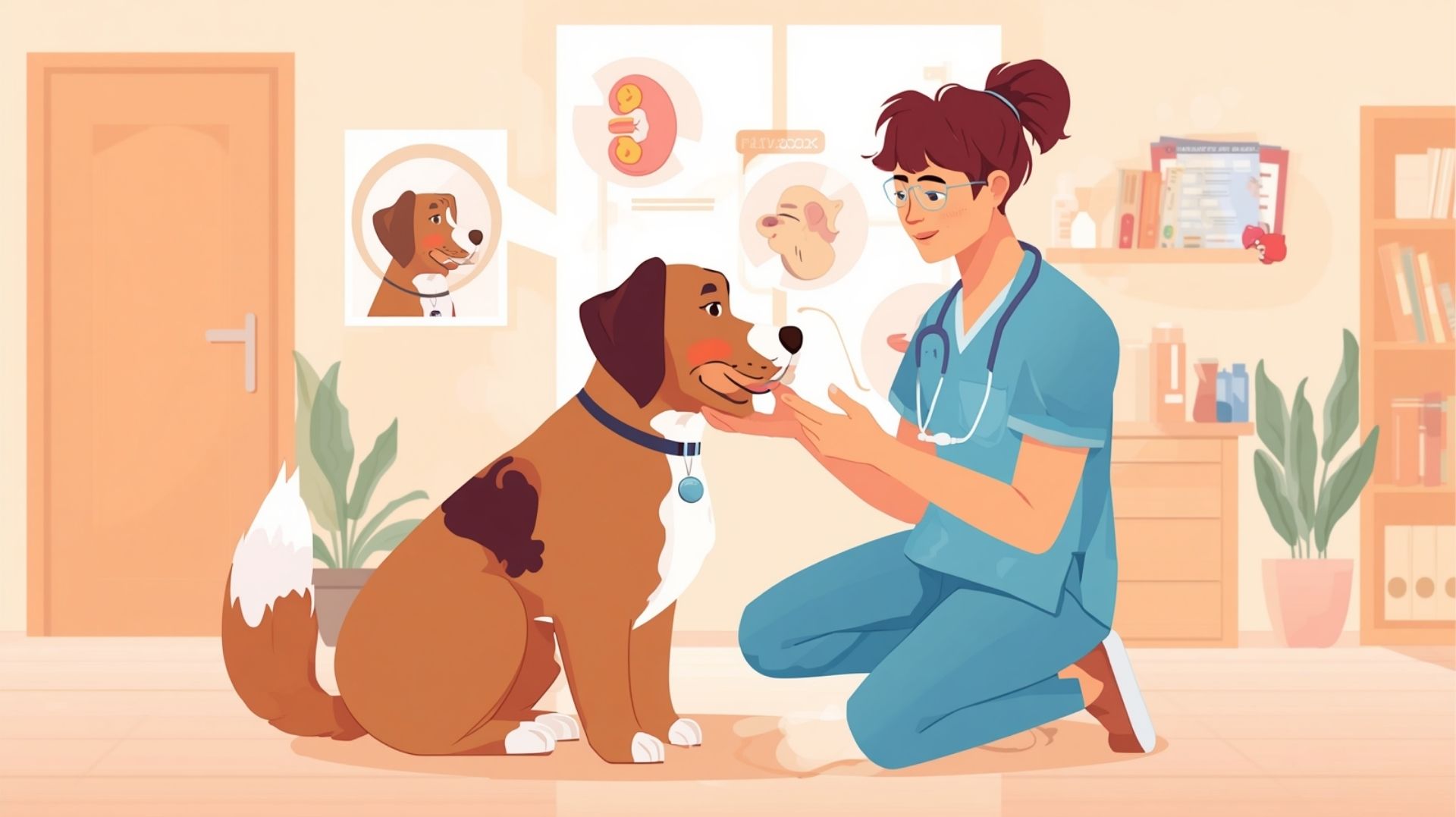
A lot of kidney issues are identified in the process of regular veterinary check-ups before they become severe. Blood tests and urine tests may assist in assessing the functioning of the kidneys and early alterations.
Older dogs and breeds with a higher susceptibility to kidney problems can be subjected to more regular health checkups. Frequent examinations enable the veterinarians to watch the progress and prescribe the proper treatment.
Depending on the condition of your dog, your veterinarian might recommend dietary changes, medications, hydration support, or other treatment.
How You Can Support a Dog with Kidney Disease
In case your dog has kidney disease, day-to-day care is significant in ensuring comfort and health. It is important to follow the recommendations of your veterinarian.
Kidney-friendly diet can assist in decreasing the burden on the kidneys by regulating some of the nutrients. It is also important to give fresh water at all times since dogs with kidney issues are more likely to be dehydrated.
Monitoring the appetite, energy levels, drinking habits, and bathroom routine of your dog can assist you in detecting any changes in a short period and giving valuable data during visits to the veterinary.
When to Contact a Veterinarian
Certain symptoms of kidney disease may be similar to other health issues, and that is why it is always necessary to be evaluated by a professional. Call your veterinarian in case of such persistent changes as excessive thirst, frequent urination, unexplainable weight loss, vomiting, loss of appetite, or unusual fatigue.
Your dog may require immediate veterinary care in case of severe weakness, refusal to eat and drink over a prolonged time, constant vomiting, or behavioral changes.
Kidney disease in dogs may occur silently, however, the early warning signs can be identified to ensure the health and comfort of your pet. Alterations in the drinking habits, appetite, energy levels, weight and behavior cannot be overlooked.
Through early diagnosis and regular veterinary checkups, most dogs with kidney disease can still live a good life. One of the most significant things that you can do as a responsible pet owner is to pay attention to the slightest changes in the daily routine of your dog.

Leave a Comment