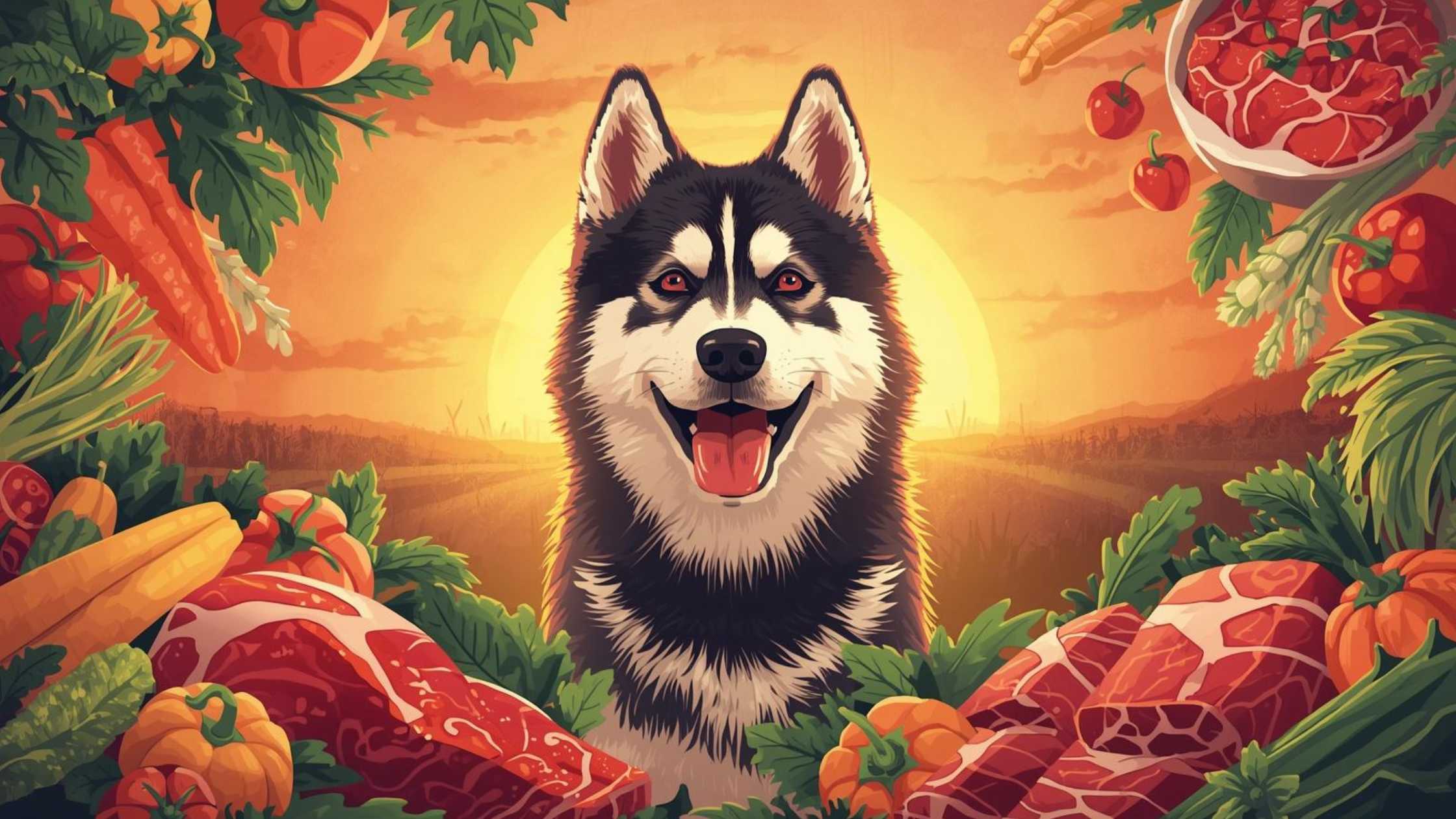
Raw diets for dogs have become increasingly popular in recent years, with many pet owners believing that feeding their dogs raw, unprocessed food is more natural and healthier. Often referred to as the “BARF diet” (Biologically Appropriate Raw Food or Bones and Raw Food), this approach aims to mimic what dog’s ancestors might have eaten in the wild.
But is a raw diet truly the best choice for your dog? Like any feeding approach, it comes with both benefits and risks. In this guide, we’ll break down the truth about raw diets for dogs, including the pros, cons, and what you should consider before making the switch.
What Is a Raw Diet for Dogs?
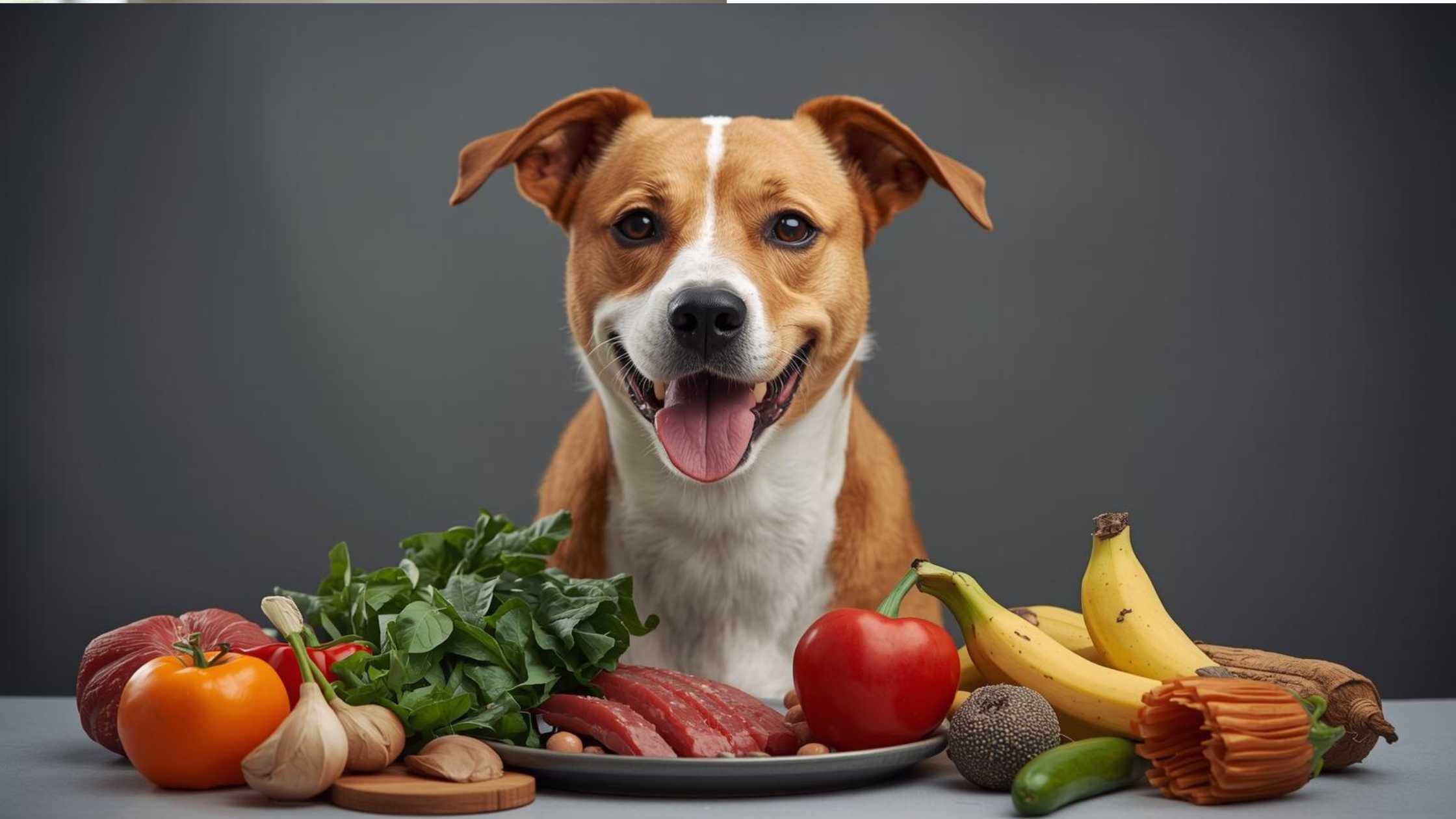
Raw diet usually involves uncooked food comprising of:
- Raw beef, chicken, lamb and so on.
- Raw bones
- Organ meats (liver, kidneys)
- Raw eggs
- Fruits and vegetables
- Dairy (in certain cases, such as yogurt)
The concept of raw feeding is to give dogs a diet that is more similar to what their ancestors ate before the existence of commercial pet food.
Why Dog Owners Choose Raw Diets
The reason why many pet owners resort to the raw diets is that they desire greater control over what the dog is consuming. There are times that commercial dog foods may have fillers, preservatives and low-quality ingredients. Raw diet, conversely, permits the owners to select fresh and whole foods.
The trend is also moving towards natural and holistic treatment of pets and it is one of the reasons why raw feeding is gaining popularity.
Pros of Raw Diets for Dogs
Better Coat and Skin Health
A shiny coat and healthy skin are one of the most frequently reported advantages of raw diets. Raw meat has natural fats and oils that may help to increase coat texture and lessen dryness or itching.
Better Dental Health
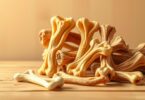
Raw bone chewing may slow down the development of plaque and tartar on the teeth. This cleaning process by nature can result in cleaner breath and better oral health.
Higher Energy Levels
The owners of dogs note that their pets have become more energetic and livelier when feeding them on raw food. This may be attributed to the fact that there are no processed foods and the protein content is of quality.
Smaller, Firmer Stools
Raw diets are normally easier to digest, which implies that the dogs will have fewer wastes. The stool is usually smaller, firmer, and less smelly than stool of kibble fed dogs.
Greater Control Over Ingredients
When you feed your dog on raw, you are certain of what your dog is consuming. This would be particularly useful with dogs who are allergic or sensitive to certain ingredients, since it is easy to avoid certain ingredients.
Cons of Raw Diets for Dogs
Risk of Bacterial Contamination
Salmonella and E. coli are some of the dangerous bacteria that may be found in raw meat. The pathogens do not only impact on the dogs, but also human beings who handle the food carelessly.
This is particularly worrying in a family with children, old age, or one with weak immune systems.
Nutritional Imbalance
It is not as easy as feeding on raw meat to create a balanced raw diet. Dogs need an accurate proportion of nutrients which are calcium, phosphorus, vitamins and minerals.
A raw diet may cause deficiencies or excesses that are harmful to the health of your dog in the long run unless you plan or seek the advice of a veterinarian.
Potential for Choking or Injury
Although raw bones have the advantage of cleaning the teeth, they are dangerous. Unless carefully selected, bones may splinter or choke, break teeth or internal injuries.
Time-Consuming and Expensive
Raw dishes take time, labor and planning. It is also much more costly than commercial dog food, particularly when you are finding good quality food.
Storage and Handling Challenges
Raw food should be kept in a proper manner so that it does not spoil or contaminate. It involves having space in the freezer, safely thawing food and wiping down surfaces after preparation.
Is a Raw Diet Safe for All Dogs?
Not every dog can be a good candidate of a raw diet. Puppies, old dogs and those with some health issues might have certain nutritional requirements that cannot be met by a raw feeding plan.
Also, dogs with weakened immunity could be prone to infections due to raw food.
A veterinarian or a pet nutritionist should always be consulted before any significant change of diet.
Tips for Feeding a Raw Diet Safely
The following are some of the safety tips that you should consider in case you are thinking about a raw diet to your dog:
Choose High-Quality Ingredients
Fresh and quality meat is always to be obtained through clean and reliable suppliers to minimize chances of contamination.
Practice Good Hygiene
Hand washing, utensils, and surfaces that come in contact with raw food should be washed thoroughly. This assists in avoiding bacteria proliferation.
Balance the Diet Properly
Consult a professional to make sure that the meals that your dog has contain the correct amounts of protein, fat, vitamins and minerals.
Avoid Cooked Bones
Cooked bones should never be fed on because they are more prone to splitting and injuring.
Monitor Your Dog's Health
Monitor the weight of your dog, its energy, the condition of its coat, and its health. It is necessary to check the veterinary regularly.
Raw Diet vs. Commercial Dog Food
When comparing raw diets to commercial dog food, it’s important to recognize that both options have their place.
High-quality commercial dog foods are formulated to meet nutritional standards and are convenient for most pet owners. On the other hand, raw diets offer a more natural approach but require careful planning and responsibility.
Ultimately, the “best” diet depends on your dog’s individual needs and your ability to provide a balanced, safe feeding routine.
Key Takeaways
The truth about raw diets for dogs is that they are neither a miracle solution nor inherently dangerous they fall somewhere in between. While they offer potential benefits like improved coat health, better digestion, and ingredient control, they also come with real risks such as bacterial contamination and nutritional imbalance.
Before switching your dog to a raw diet, take the time to research thoroughly and consult with a qualified professional. A well-informed decision will ensure your dog stays healthy, happy, and thriving no matter what diet you choose.




Leave a Comment