
Dogs may grow small, strange growths on their skin or in their mouth that can be concerning to their owners. Canine papilloma virus is a viral infection that causes dog warts and is one of the common causes of these growths. Although these warts may be painful or even frightening, they are not always dangerous and they tend to fade away on their own as the immune system of the dog combats the virus.
Knowledge of the causes, symptoms, treatment choices, and cost of managing canine papilloma virus can assist dog owners to make improved choices regarding the health of their pet.
What Is Canine Papilloma Virus?
Canine papilloma virus (CPV) is a transmittable virus that infects dogs and causes them to develop papillomas or dog warts. These growths are as a result of the virus leading to abnormal growth of cells of the skin or mucous membrane.
The virus predominantly targets younger dogs, puppies and those with a weakened immune system since their bodies may not have built sufficient immunity to combat the infection.
Canine papillomas are different from human warts. Dog warts is a virus that is unique to dogs and does not infect humans or other animals.
What Causes Canine Papilloma Virus in Dogs?
Canine papilloma virus is primarily caused by the exposure to the virus by an infected dog or contaminated surfaces.
Direct Contact with an Infected Dog
Papilloma virus can be transmitted to dogs when they are in close contact with an infected dog. Playing, sharing toys, licking, or socializing in dog parks are activities that may lead to higher risks of transmission.
Contact With Contaminated Objects
The virus has the ability to remain on some surfaces.
Dogs can be infected when they come in contact with contaminated objects like:
- Bowls of food and water.
- Toys
- Grooming tools
- Kennel surfaces
- Shared bedding
Weak Immune System
The virus is normally controlled by a healthy immune system. Nevertheless, warts can be more apparent or prolonged in dogs with compromised immunity.
Immunity may be influenced by factors such as:
- Young age
- Stress
- Illness
- Certain medications
- Poor nutrition
Canine Papilloma Virus Symptoms
Warts are the most apparent symptom of canine papilloma virus. Such growths may occur in various parts of a dog.
Common symptoms include:
Oral Papillomas (Mouth Warts)
The most common type is oral papillomas which normally occur in:
- Lips
- Gums
- Tongue
- Throat
They resemble little cauliflower-like growths and can be present in clusters.
Dogs that have mouth warts can exhibit:
- Bad breath
- Difficulty eating
- Drooling
- Chewing discomfort
- Reduced appetite
Skin Papillomas
Skin warts may occur in any part of the body of a dog including:
- Face
- Legs
- Eyelids
- Paws
They can be in the form of elevated bumps, flat growths or roughness on the skin.
Eye-Related Papillomas
Sometimes, warts can develop around the eyelids or eye area. These can be irritating or uncomfortable and need to be examined by a veterinarian.
Are Dog Warts Harmful?
Canine papilloma virus is not harmful in most instances. Most dogs improve on their own in a few months as the immune system develops antibodies against the virus.
Nevertheless, veterinary care is advised in case:
- Warts continue growing
- The growths bleed or are infected.
- Your dog cannot eat or drink.
- Warts are around the eyes.
- The condition is prolonged.
A veterinarian will be able to determine whether the growths are papillomas or some other skin issue.
How Is Canine Papilloma Virus Diagnosed?
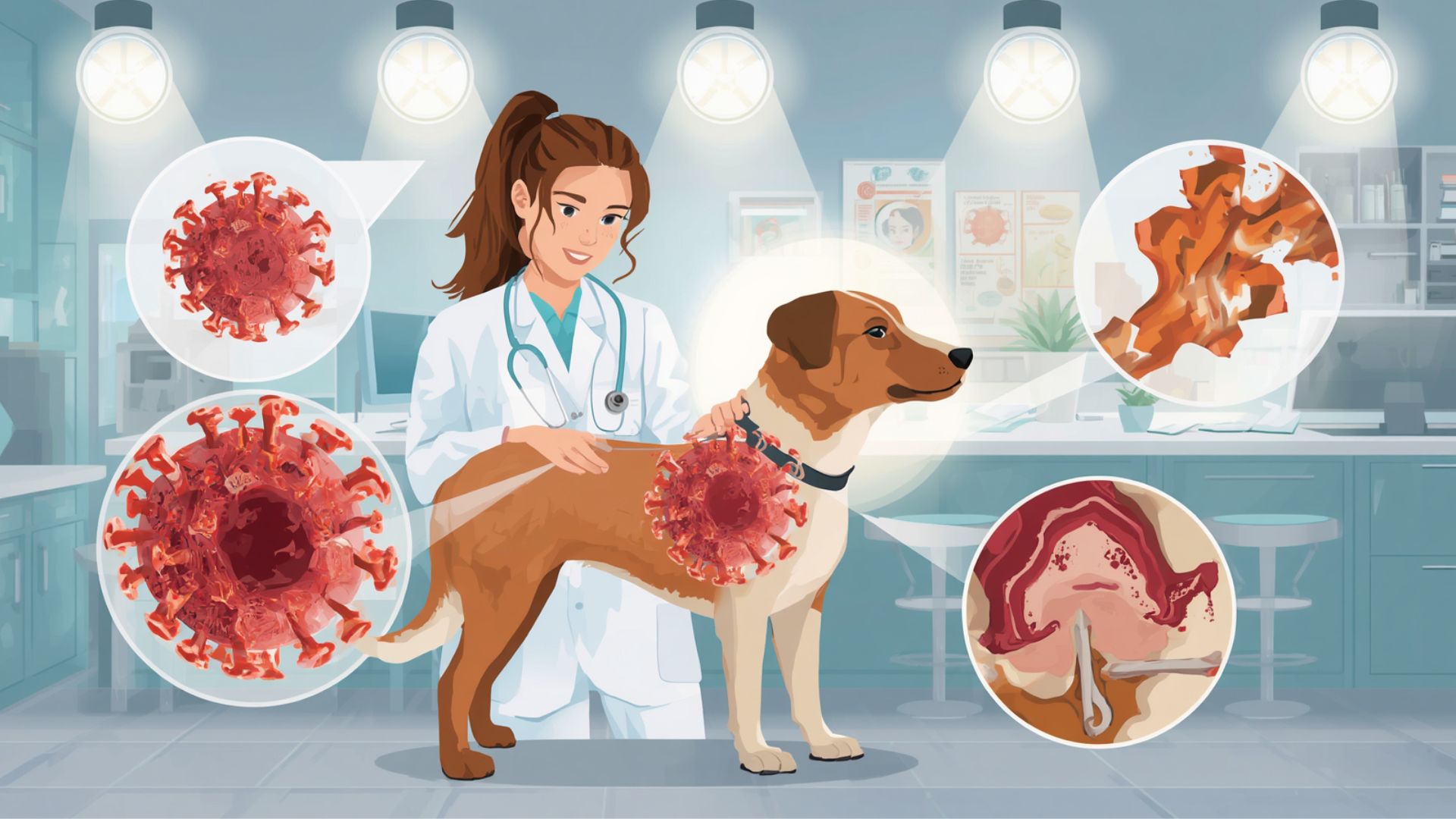
Dog warts are normally diagnosed by a veterinarian by physical examination. The growths are often identified by the look and the location of the growths.
Other tests can be suggested in particular cases, such as:
Biopsy
A biopsy of a small piece of tissue can be done to exclude other skin conditions or cancerous growths.
Laboratory Testing
Testing can be done when the veterinarian requires assurance that the growth is due to papilloma virus.
The correct diagnosis is significant since not all lumps and bumps on a dog are warts.
Treatment Options for Canine Papilloma Virus
The majority of cases of canine papilloma virus do not need aggressive treatment since the warts usually clear. Nevertheless, it might require treatment when growths lead to discomfort or complications.
Natural Recovery and Immune Support
The most used is letting the immune system of the dog to combat the virus on its own.
Recovery usually takes:
- 2-3 weeks to months.
- Prolonged in dogs with low immunity.
Helping your dog to recover can be helped by supporting its overall health.
This includes:
- Giving a balanced diet.
- Reducing stress
- Maintaining good hygiene
- Regular veterinary checkups
Removal of Warts Surgery
In case papillomas disrupt the eating, vision, or day-to-day activities, a veterinarian can suggest their removal.
Removal techniques can be:
- Surgical excision
- Freezing the wart (cryotherapy)
- Laser treatment
When warts fail to improve and cause persistent trouble, surgical removal is usually taken into consideration.
Medication and Immune-Based Treatments
In extreme situations, veterinarians might resort to drugs or therapies that help to boost the immune system.
The treatment choices are based on:
- Number of warts
- Location of growths
- Dog’s overall health
- Duration of infection
Do not apply human wart removal products to dogs unless directed to do so by a veterinarian. A dog can be irritated or harmed by many treatments that are used by humans.
What is the Cost of Canine Papilloma Virus Treatment?
Treatment of canine papilloma virus varies in cost depending on the severity of the disease and the treatment needed.
Veterinary Examination Cost
An initial veterinary check-up can cost approximately:
$50 to $150 (based on location and clinic charges)
Diagnostic Testing Cost
In case of other tests like biopsy, the cost can be between:
$100 to $500 or more
Wart Removal Cost
Removal of warts surgically or with advanced techniques can cost about:
$200 to $1,000+
depending on:
- Number of growths
- Type of procedure
- Anesthesia requirements
- Veterinary clinic charges
A lot of mild cases do not need treatment and they can be treated at a very low cost.
Is Canine Papilloma Virus Preventable?
No sure method exists to eliminate canine papilloma virus, but some measures can be taken to lower the chances.
Do Not Have Any Contact with Infected Dogs
Until they heal, keep your dog off of animals that have visible warts.
Maintain Good Hygiene
Clean regularly:
- Food bowls
- Toys
- Bedding
- Grooming equipment
Support Your Dog’s Immune System
Good immune system may be used to prevent infections and enhance recovery.
Provide:
- High-quality food
- Regular exercise
- Routine veterinary care
- Proper vaccination schedules
What is the Duration of Dog Warts?
The majority of canine papilloma virus infections resolve in 1-5 months as the dog immunizes.
Dogs can heal quicker or slower, with some requiring more time to heal, particularly when they have immune-related problems.
In case the warts persist or fail to improve after couple of months, a veterinarian must assess the situation.

Leave a Comment