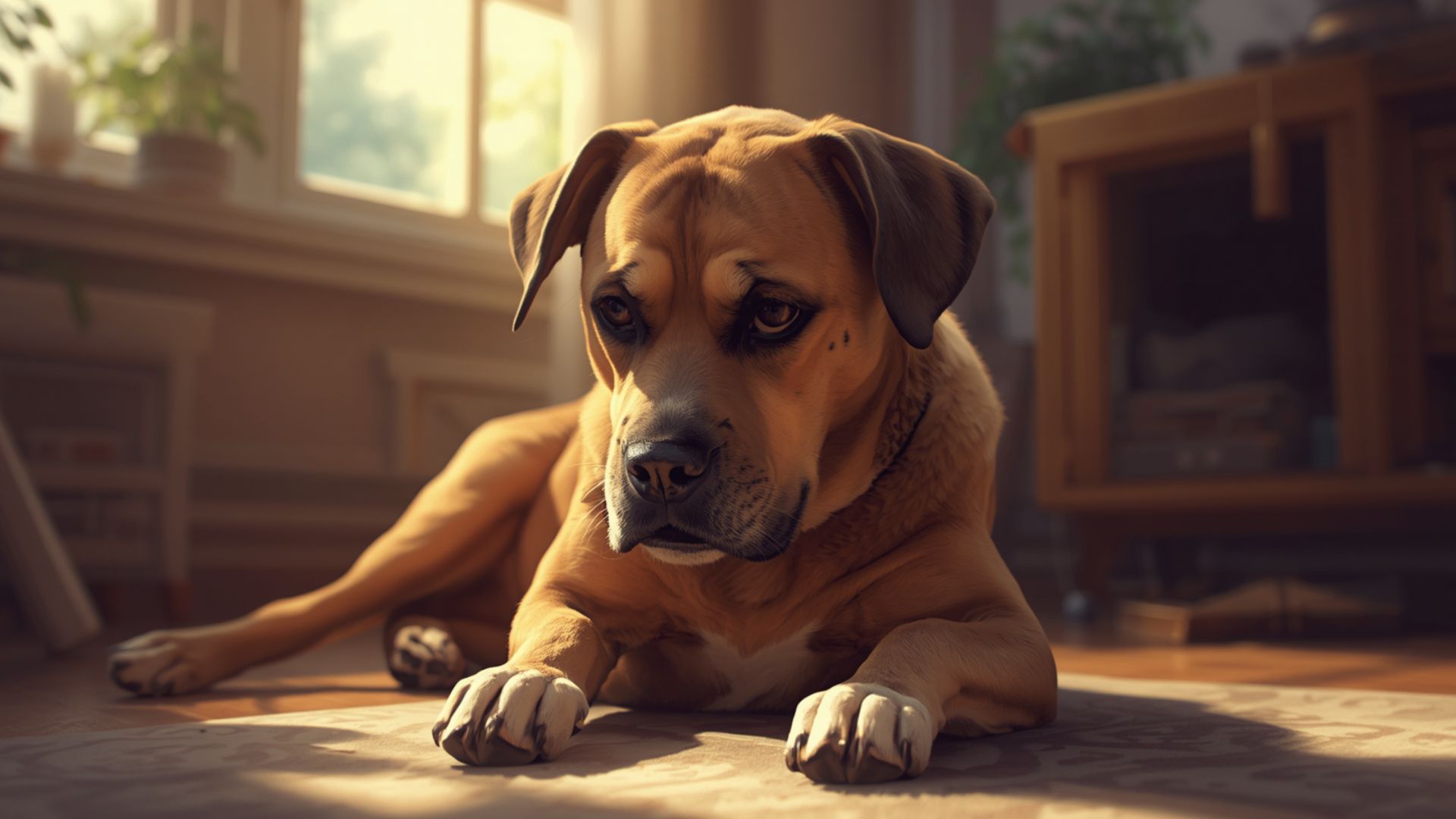
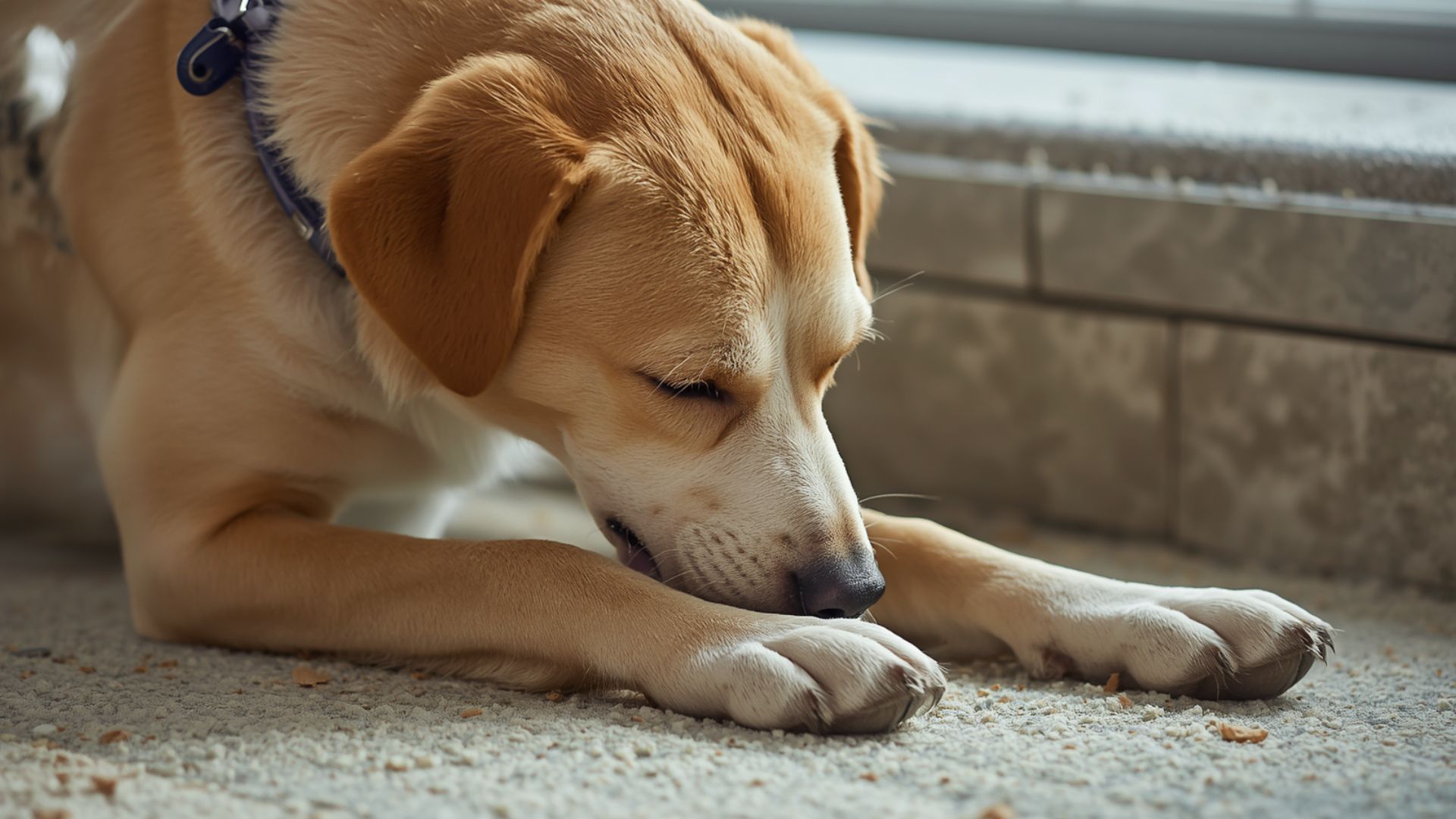
When you have observed that your dog licks his paws all the time, you are likely to be questioning whether it is normal or he has a health issue. Although paw licking is a normal aspect of the grooming process of a dog, when a dog licks its paws excessively, it may be a sign of a problem that cannot be overlooked.
Dogs tend to clean their paws by licking, which is harmless, but regular licking, chewing, and biting may irritate the skin, cause infections, and be painful. The first step to the correct solution and making your pet feel comfortable again is to understand why this behavior occurs.
In this guide, we'll explore the most common causes of excessive paw licking, the symptoms to watch for, and the best remedies to keep your dog's paws healthy.
Allergies Are One of the Most Common Causes
One of the most common causes of excessive licking of paws by dogs is allergies. Dogs just like people can be allergic to some things in their surroundings or food.
The most common triggers of allergy are:
- Grass and pollen
- Mold spores
- Dust mites
- Some dog food proteins
- Household cleaning products.
When a dog is exposed to allergens on its skin, the paws tend to be itchy due to direct contact with the ground. Your dog can lick and lick in the effort to scratch the itch.
The allergies are manifested by the redness, swelling, itchy ears, watery eyes, and scratching. In case it is based on allergies, your veterinarian may prescribe allergy tests, medications, or diet.
Injuries and Foreign Objects
Even a minor injury may easily develop into excessive licking of the paw. Dogs often walk on uneven surfaces, thorns, broken glass or sharp rocks which can damage their paw pads.
The issue is not always apparent on the surface. Between the toes, tiny splinters, grass seeds, or burrs may get trapped, and each time your dog walks, they irritate him.
Inspect the paws of your dog:
- Cuts or scrapes
- Bleeding
- Swelling
- Broken nails
- Objects stuck between the toes.
In case you find a small cut, clean it carefully and watch out in case it becomes infected. In case of more serious injuries or objects that cannot be removed safely, visit a veterinary immediately.
Parasites and Skin Infections
Fleas, mites, and ticks are parasites that can cause your dog to have paws that are very itchy. Dogs usually react by licking or chewing the affected part.
Too much moisture due to constant licking may also provide the ideal habitat to bacterial or yeast infections. After an infection has set in, the itch-lick cycle is further aggravated.
Symptoms may include:
- Inflamed or reddish skin.
- Bad odor.
- Stains of brown saliva on the fur.
- Hair loss.
- Moist or sticky skin between toes.
The infection can be eradicated and the discomfort minimised by prompt treatment using medications prescribed by the veterinarian.
Dry Skin and Seasonal Changes
The paws of your dog can be influenced by weather changes. The paw pads can be dried during winter due to cold weather and de-icing chemicals. During the summer season, hot pavement may burn or crack the skin. Dry cracked paws are uncomfortable and thus dogs lick them regularly.
You can help protect your dog's paws by:
- Avoiding hot sidewalks.
- Exercising in cooler temperatures.
- Using pet-safe paw balm.
- Washing feet after outdoor walks.
- Having nails trimmed.
Seasonal paw irritation can be significantly minimized by simple preventive care.
Anxiety, Stress, and Boredom
Not all excessive licking of the paw has a physical cause. Other dogs pick up the habit due to stress, anxiety, or boredom.
Dogs can lick their paws when they feel:
- Separation anxiety
- Changes in routine
- Loud noises
- Lack of exercise
- Insufficient mental stimulation.
Paw licking in such instances turns into a self-soothing habit that may later develop into a habit.
Regular exercise, interactive toys, training, and quality time with your dog can help decrease stress-related licking.
Pain or Joint Problems
Even when the issue is not in the paw itself, dogs may lick the part that is painful to them.
Dogs can be preoccupied with licking one leg or paw, or with the inflammation of the joints, ligament injuries, muscle strains, or arthritis.
Older dogs are especially prone to joint problems. When your dog limps, struggles to stand, or refuses to move, or licks too much, make an appointment with the veterinarian.
Licking behavior is usually solved by treating the underlying pain.
Home Remedies That May Help
In mild cases with no serious injury or infection, a couple of home care measures can help.
Helpful remedies include:
- Wash paws with lukewarm water after walks.
- Wipe the paws with a towel to avoid accumulation of moisture.
- Apply paw moisturizers that are approved by veterinarians.
- Have the fur between the toes clipped.
- Avoid walking on rough or very hot surfaces.
- Eat a healthy diet that helps maintain healthy skin.
Human creams or medications should not be applied to your dog unless your veterinarian prescribes them because some of the ingredients may be toxic to dogs.
When Should You Visit a Veterinarian?
Although the occasional licking is normal, the excessive licking that persists over a number of days is worth professional intervention.
Call your veterinarian when you observe:
- Constant licking that is not getting better
- Open sores or bleeding
- Swollen paws
- Limping
- Pus or foul odor
- Severe redness
- Inappropriate behavioral changes
- Signs of pain.
Early diagnosis will allow avoiding more severe complications and save your dog sooner.
How to Prevent Excessive Paw Licking
It is better to prevent paw problems than to treat them. Routine health examinations and regular paw care can go a long way in helping to decrease excessive licking.
Healthy habits include:
- Check the paws of your dog after each walk.
- Keep nails trimmed.
- Apply flea and tick prevention all year round.
- Eat good, healthy food.
- Have routine checkups with the veterinary.
- Keep the house clean to minimize allergens.
- Maintain your dog both mentally and physically.
You can avoid discomfort and long-term health problems by taking care of your dog paws and solving minor problems at the initial stage.

Leave a Comment