
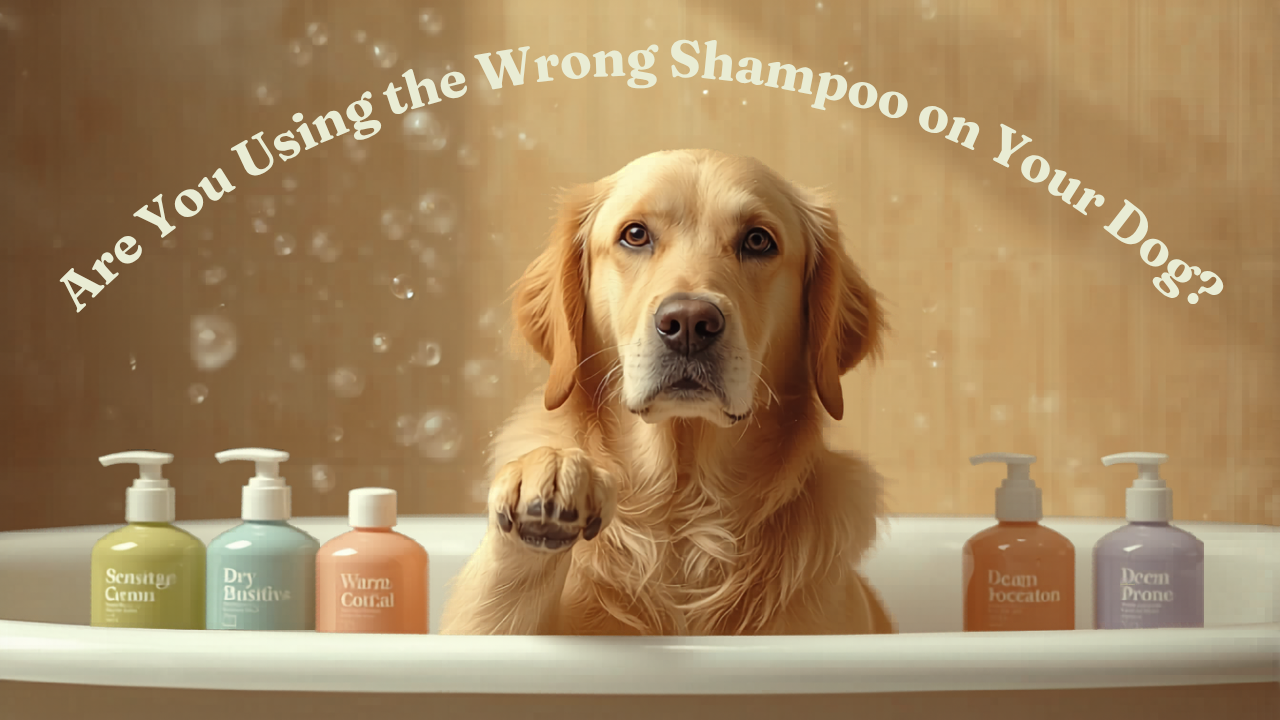
Choosing the right dog shampoo is more than just picking a product from the pet store shelf. Your dog’s skin type, coat condition, and overall health play a crucial role in determining the best shampoo for them. Using the wrong shampoo can lead to dryness, irritation, or even worsen existing skin conditions. This guide will help you understand how to choose the right dog shampoo to keep your furry friend healthy and happy.
Understanding Your Dog’s Skin Type
It is necessary to know what kind of skin your dog has before choosing a shampoo. Dogs also have various skin and coat requirements just like human beings. Being aware of the type of skin your dog has will assist you in selecting a shampoo that calms down, supplies, and defenses the skin of your dog.
Normal Skin
Normal skin dogs possess a normal PH level, lack redness, scaly skin or over-oily skin. A majority of the dogs belong to this category. Their coat is normally kept clean and healthy with a soft, moisturizing shampoo. Find shampoos that are called gentle or everyday use.
Sensitive Skin
Sensitive skin is also susceptible to itching, redness and irritation. Sensitive skin dogs such as dogs with allergies, scratching, or responding to environmental factors should be given a sensitive skin shampoo. Hypoallergenic shampoos are the best as they contain no harsh chemicals, dyes, and fragrances that may cause irritation.
Dry Skin
Dry skin is frequently scaly, rough or scratchy. It may be induced by excessive bathing, cold climate, or health complications. Find moisturizing oatmeal, aloe vera or coconut oil in shampoos. These ingredients will aid in holding up the moisture, calming the skin and decrease itchiness.
Oily Skin
Other dogs are known to produce more oil and hence the coat looks greasy. Shampoos that keep the oily skin of the dogs balanced without drying it out are beneficial to them. Heavy moisturizing shampoos should be avoided because they might aggravate the condition. Find clarifying shampoos which will remove the excess oil and dirt and still keep the skin healthy.
Key Ingredients to Look For
Being aware of what ingredients to seek can make you select the most appropriate dog shampoo to use on your pet.
The following are some of the ingredients that are recommended commonly and the benefits of these ingredients:
Oatmeal: Soothes and moisturizes dry, itchy, or irritated skin.
Aloe Vera: Soothes inflammation and helps sensitive skin to heal.
Coconut Oil: moisturizes your dog and gives it shine.
Chamomile: Minimizes redness and calms irritated skin.
Hypoallergenic Formulas: Contain no harsh chemicals, dyes and fragrances, and are suitable to sensitive skin.
Shampoos containing artificial fragrances, parabens, sulfates and alcohol should be avoided because they may strip the natural oils and cause irritation to the skin of your dog.
Understanding Dog Shampoo Types
Not all dog shampoos are similar. The selection of the correct type will depend on the skin condition of your dog, the type of coat and other special needs that your dog might be having.
Medicated Shampoos
Mediated shampoos are designed to cure a particular skin problem of infection, allergy or parasites. These shampoos are usually filled with antifungal, antibacterial or antipruritic substances. Mediated shampoos should be used with veterinary supervision because excessive use may cause skin irritation.
Oatmeal Shampoos
Oatmeal shampoos are wonderful in calming a dry or itchy or sensitive skin. They are soft and they replace the moisture to the skin. Most dog owners use oatmeal shampoos in dogs whose skin is not very irritated.
Hypoallergenic Shampoos
The hypoallergenic shampoos are created in such a way that they reduce the chances of allergic reactions. They are best on sensitive dogs, allergic dogs, or those with a tendency to scratch and redden.
Deodorizing Shampoos
When your dog has a tendency to stink easily then a deodorizing shampoo can be used. Find shampoos that have natural components such as baking soda or essential oils that do not cause harm to the skin but have a neutralizing odor.
Tips for Choosing the Right Shampoo
It is important to pick the appropriate dog shampoo.
The following are some of the tips to simplify the process:
Consult Your Veterinarian: In case of skin issues, allergies, or chronic conditions in your dog, your veterinarian will be able to suggest the best shampoo.
Check the Label: Find ingredients that correspond to the type of skin that your dog has. Use shampoos that contain harsh chemicals which might be irritating.
Test Before Full Use: To prevent a full bath, put a small portion of shampoo on a patch of skin on your dog to see whether he/she will react.
Take into account Coat Type: Long-haired dogs might require moisturizing shampoos to avoid tangles, whereas short-haired dogs might require lighter, cleansing shampoos.
Do not Over-Bath: Over bathing can remove natural oils in the skin of your dog and cause it to become dry and irritated. Follow a routine, depending on the breed of the dog and the level of activity.
How to Bathe Your Dog Correctly
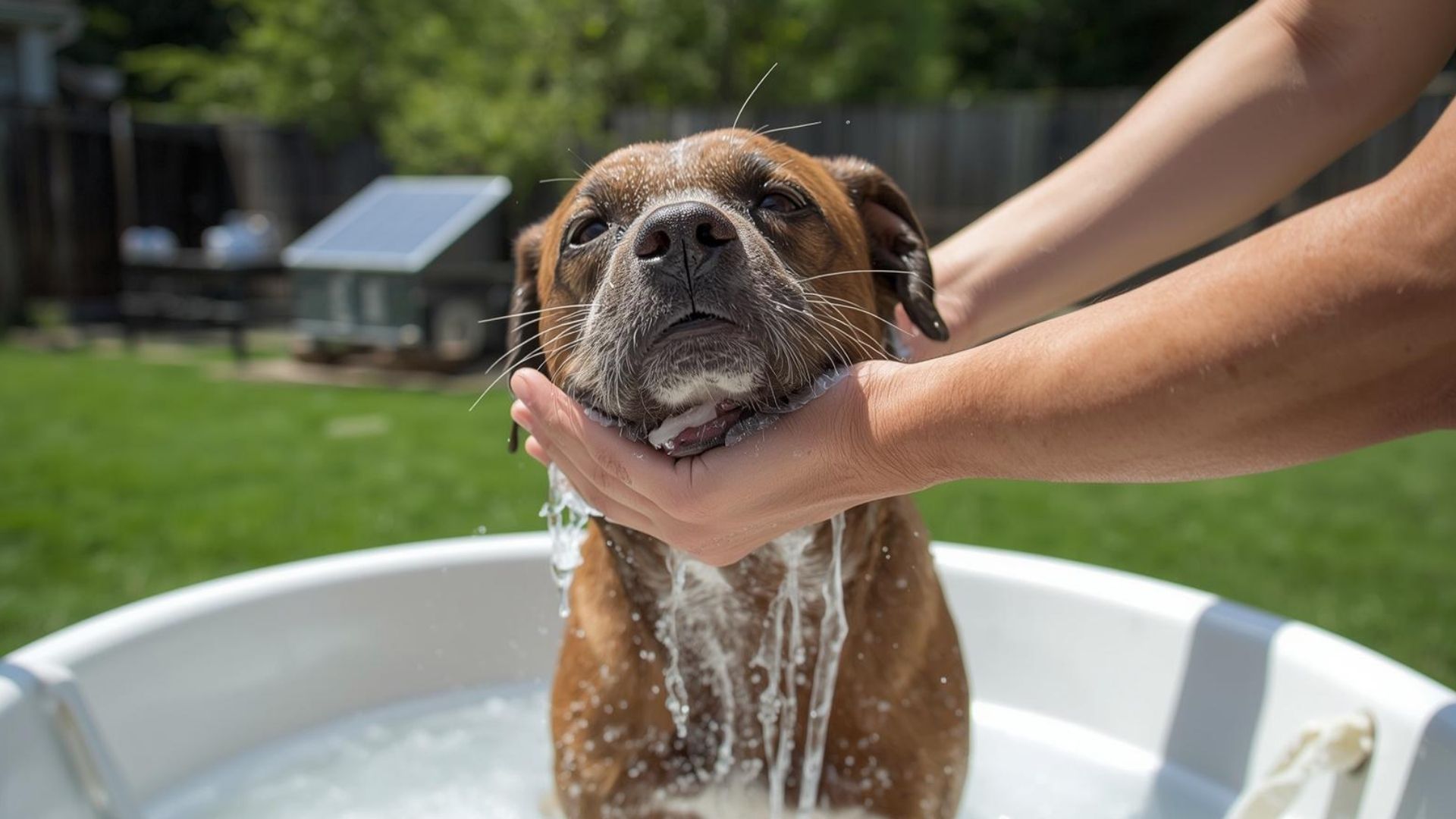
No matter the quality of shampoo you buy, your dog will not look good unless it is bathed. Correct bathing methods will make the shampoo efficient and keep the skin of your dog healthy.
Brush Before Bathing: Take off the tangles and unkempt fur before getting your dog wet. This assists the shampoo to sink in.
Use Lukewarm Water: The hot water may irritate the skin and cold water may be painful. Lukewarm water is ideal.
Rub Shampoo: Rub the shampoo into your dogs hair and skin. Do not rub too hard, particularly on sensitive parts.
Wash Completely: Do not leave any traces of shampoo, which may result in itching and dryness.
Wipe Your Dog: Use a towel to dry your dog. In long-haired breeds, a low and cool blow dryer can be used to avoid matting.
Signs Your Dog’s Shampoo Is Not Working
Although you have chosen a shampoo, it is still necessary to keep an eye on your dog to notice any manifestations of irritation or discomfort.
Watch for:
- Redness or rashes
- Dry or flaky skin
- Dull or greasy coat
- Over scratching or licking.
If these symptoms persist, switch to a different shampoo or consult your veterinarian. Your dog’s skin may require a different formulation or medicated treatment.







Leave a Comment