
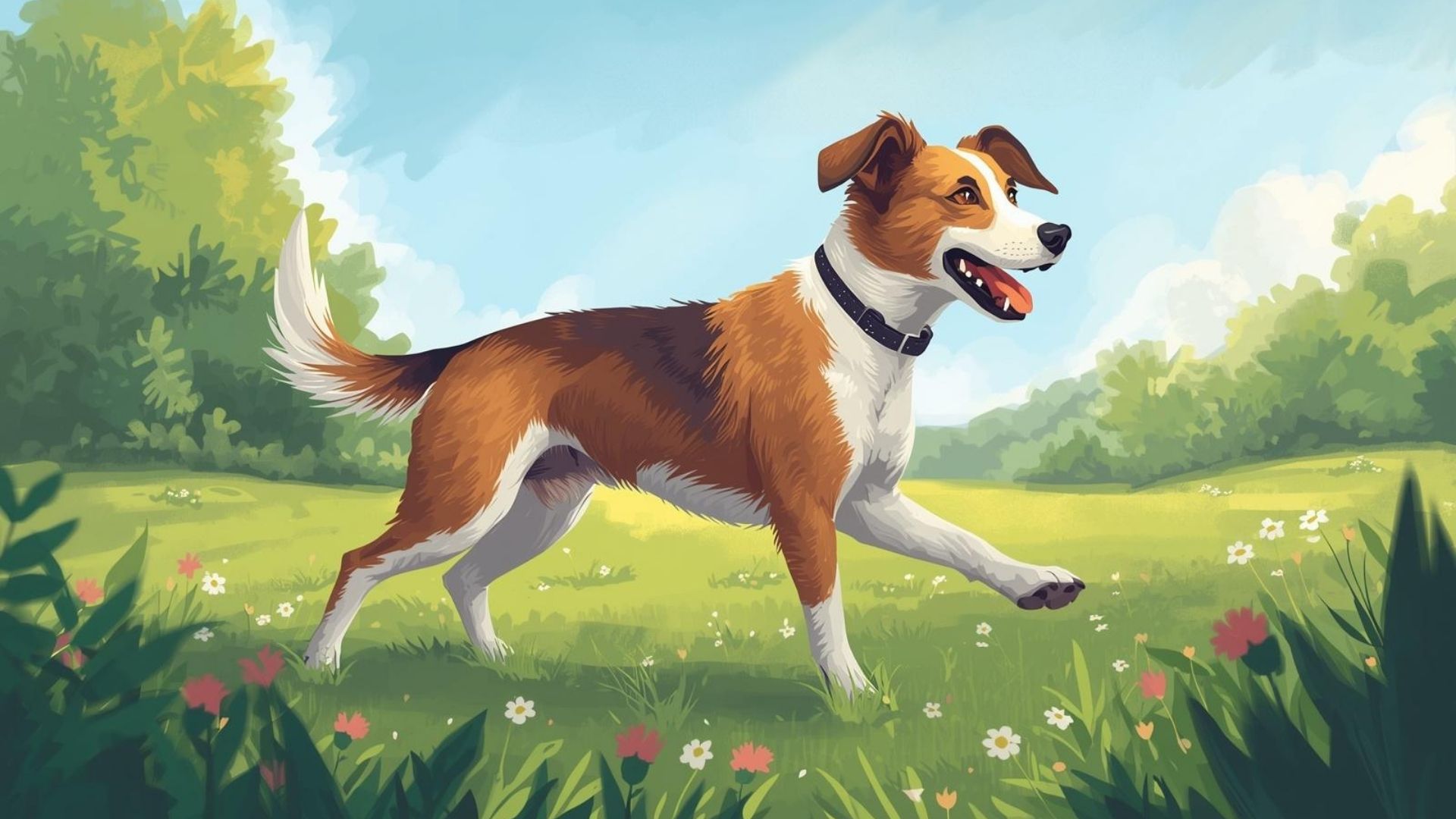
Keeping your dog healthy isn’t just about feeding them well and taking them on walks. Joint health plays a major role in how your dog feels every single day. Healthy joints allow your dog to run, jump and move around easily. But if joints start to cause problems, everyday activities can be painful. This transition can be subtle so, for many dog parents, it's easy to miss.
But you don't always have to use fancy therapies to help your dog's joints. There are many ways you can use natural solutions to relieve pain, increase mobility, and even prevent joint degeneration. It just comes down to cultivating good habits.
Understanding Joint Health in Dogs
Joints in your dog are like shock absorbers that enable movement. With time, these joints can deteriorate because of age, exercise or other reasons. This may cause stiffness, swelling and stiff joints. Although older dogs are more susceptible to joint issues, even young dogs can be affected – particularly if they are overweight or from breeds with a predisposition to joint problems.
Perhaps your dog struggles to rise, hesitates to climb stairs, or isn't as keen on play as before. These subtle symptoms can indicate it's time to pay closer attention to their joints. Recognising these signs early can help with the natural treatment and management of their condition.
The Importance of Maintaining a Healthy Weight
The best way to safeguard your dog's joints is to keep them at a healthy weight. Any excess weight places additional strain on joints, particularly in the hips, knees and elbows. This can accelerate joint degeneration and cause pain.
Feeding for healthy weight doesn't mean less food, it means better food. Serve them well-balanced, correct portioned meals. It's important not to overfeed, even if your dog is asking for more. Keep treats to a minimum and never more than 10% of the diet.
Weighing your dog regularly can help you keep track. A healthy-weight dog will be healthier, happier and more comfortable. Losing weight can help ease joint pain, allowing your dog to move more freely.
Nutrition and Natural Diet for Joint Support
There's a link between diet and joint health in dogs. Proper nutrition can ease inflammation, nourish cartilage, and build muscle around joints. You can support your dog's health by feeding them the right nutrients.
Omega-3s are particularly helpful in decreasing inflammation. Fish and fish oil are great sources. You can also add bone broth, which contains nutrients that help to maintain joint tissues and is easy on the stomach. You can also include small amounts of anti-inflammatory foods such as turmeric but always ask your vet before adding new foods to your dog's diet.
Protein is also important for maintaining muscle mass. This will help support the joints and eliminate stresses on the joints. And fresh green vegetables such as spinach and carrots can provide antioxidants to help reduce cell damage.
Consistency is key here. A diet for healthy joints won't happen overnight, but in time, it can make a difference to your dog's mobility and vitality.
Exercise: The Importance of the Right Kind of Movement
Regular exercise is key to healthy joints, but it's not all equal. Jumping and playing too hard can be stressful on joints, particularly if your pet is in pain. Low-impact, regular exercise is best.
Walking is an excellent way to maintain joint mobility. Soft surfaces such as grass are ideal. Swimming is also a great exercise that allows full body activity without joint stress. Indoor play can also be used to keep your dog moving if swimming is not an option.
The goal is to keep your dog active without allowing them to become too tired. Frequent, moderate exercise is better than occasional vigorous exercise. Observe your dog's posture and attitude during and after exercise. Lethargy or stiffness could indicate that it's time to modify the training.
Creating a Comfortable Living Environment
Where your dog lives is more important than you may realise. Making a few changes at home can improve your dog's quality of life.
The first is their bed. Sleeping on a hard floor can make joints stiff, particularly in aged dogs. A firm, comfortable bed, preferably orthopedic, can increase comfort and decrease joint stiffness. If the dog is comfortable at night, he or she is likely to be more active during the day.
Temperature also matters. Joints can stiffen up when it's cold and wet. Warming up your dog, particularly in cooler weather, may help with flexibility. This could mean using blankets, having their bed in a warm area or even dog clothes if necessary.
You can also make some small changes at home, such as putting rugs on slippery floors. These changes can help prevent accidents and make it simpler for your dog to get around.
Creating a Comfortable Living Environment
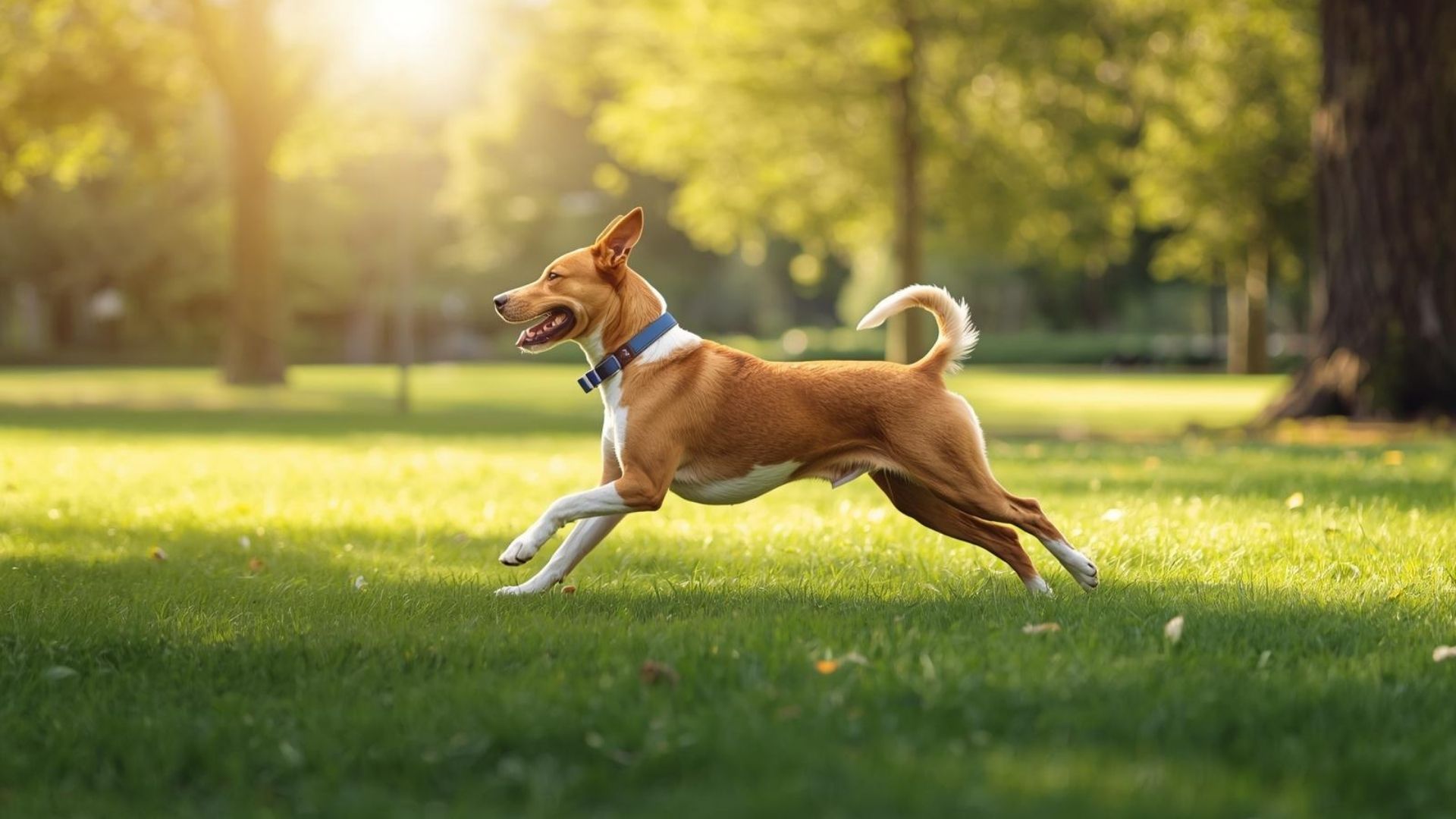
Along with proper diet and exercise, natural dietary supplements can help support joint health. Substances such as glucosamine and chondroitin are often used to preserve cartilage and enhance joint mobility. Fish oil supplements are also common due to their anti-inflammatory effects.
Supplements can be beneficial, but they need to be used correctly. Different products are not equal and dosages need to be correct. Always talk to your vet about any supplements you want to use, to make sure they are safe for your dog.
There are also some gentler therapies. Massage, for instance, can enhance circulation and relax muscles. A few minutes of daily massage on the limbs and joints can help relax and loosen muscles. It's a great way to bond with your dog and can be a relaxing ritual.
Other owners may also consider hydrotherapy or physical therapy to provide some additional structure for dogs with more severe joint problems. These are particularly beneficial when complemented with home care.
Creating a Routine for Better Health
When it comes to naturally strengthening your dog's joints, it's not a quick fix. Small daily actions make a big difference in the long run. Good nutrition, moderate exercise, plenty of rest and a safe environment all contribute to joint health.
It will be necessary to watch your dog and make adjustments. Each dog is unique and may respond differently to different strategies. The idea is to develop a routine tailored to your dog's age, breed and fitness level.
This should also include regular visits to the vet. Even if you are going for the natural route, it's useful to get help to make sure you are doing things right and not overlooking something.









Leave a Comment