
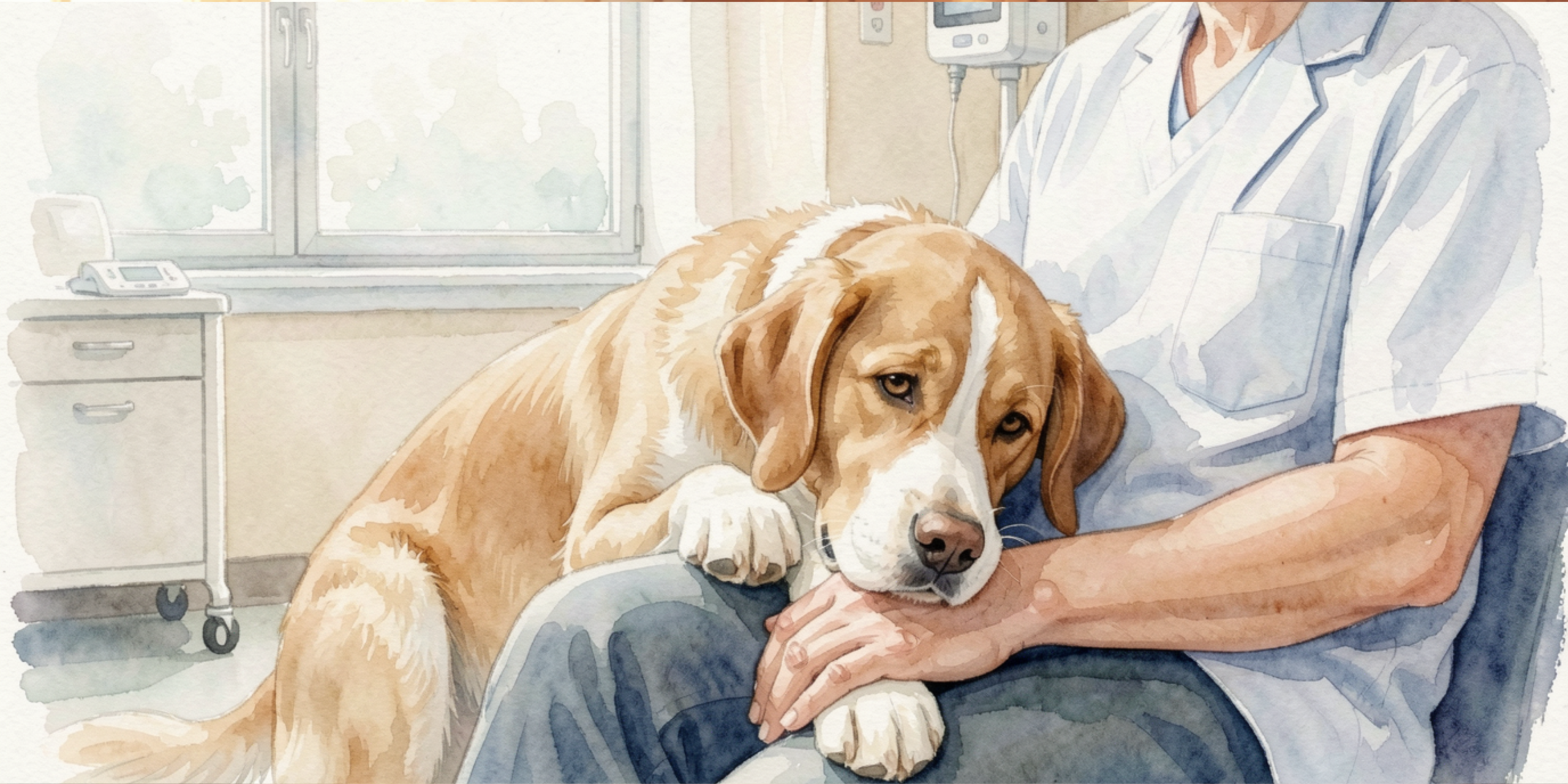
Seeing your dog in pain can be heartbreaking. Whether it’s limping after a long walk, stiffness from aging joints, or discomfort after surgery, many dog owners ask the same question: what can I give my dog for pain?
The answer depends on the cause of the pain, your dog’s age, size, and overall health. Some treatments are safe and effective, while others—especially common human medications—can be dangerous. This guide walks you through safe options, what to avoid, and when it’s time to call the vet.
Understanding Pain in Dogs
Dogs do not necessarily cry or express themselves when they are in pain. Pain may be delicate and very difficult to detect, particularly in stoic or elderly dogs.
Common Signs of Pain in Dogs
- Weakness in standing up or limping.
- Less activity or unwillingness to jump.
- Crying, sniveling, or over-panting.
- Alteration in eating or sleeping patterns.
- Aggression or withdrawal.
- Licking or chewing a specific area.
The cause of pain may be numerous, and it may be arthritis, injuries, dental health issues, infection, surgery, or inner diseases. The source enables the determination of the appropriate treatment.
Can I Give My Dog Human Pain Medication?
This is one of the most important things to understand.
Medications You Should Never Give
Even some of the drugs, that are commonly used to relieve pain in humans, are very dangerous to dogs, even when small amounts are taken.
These include:
- Ibuprofen
- Naproxen
- Aspirin (with the exception that it must be prescribed by a vet)
- Acetaminophen
These medications may lead to stomach ulcers, liver damage, kidney damage and even death. Should your dog accidentally consume one of them then call a veterinarian.
Vet-Approved Pain Medications for Dogs
There are drugs that are specifically used on dogs and they are available to veterinarians. When properly used these are a lot safer and more effective.
Prescription NSAIDs
Dog’s non-steroidal anti-inflammatory drugs are usually used to treat pain and swelling.
They are commonly used to treat:
- Arthritis
- Joint pain
- Injuries
- Post-surgical recovery
The correct medication and dosage will depend on the weight of your dog and its health history, which will be selected by your vet. Frequent blood analyses might be suggested to use on a regular basis.
Other Prescription Pain Relief Options
A vet can also prescribe: depending on the type and severity of pain:
- Medications for nerve pain
- Muscle relaxants
- Short-term opioid medications for severe pain.
Professional supervision of these treatments is mandatory in order to prevent side effects or dependency problems.
Natural and Over-the-Counter Options for Mild Pain
In cases of mild pain or chronic pain such as stiffness in the joints, there are some non-prescription alternatives that can be used. These are supposed to complement, not to substitute the veterinary care.
Joint Supplements
Home owners of dogs use supplements to enhance mobility and joint health.
Common ingredients include:
- Glucosamine
- Chondroitin
- MSM
- Omega-3 fatty acids.
The supplements do not act instantly but with time they can decrease inflammation and enhance movement.
Omega-3 Fatty Acids
Fish oil supplements have the ability to decrease inflammation and maintain the health of the joints, skin and heart. Ensure that it is a pet formulation that is administered in the right dosage.
CBD Products for Dogs
There are positives about dog-specific CBD products in the treatment of pain and anxiety, as reported by some dog owners.
Quality and dosing matter greatly, so it’s important to:
- Choose products made specifically for pets
- Avoid THC
- Consult your vet first
Home Care That Can Help Relieve Pain

Besides drugs and supplements, even little changes at home will go a long way in ensuring the comfort of your dog.
Rest and Activity Management
Too much activity can worsen pain, while too little can lead to stiffness. Gentle, controlled exercise like short walks or swimming can help maintain mobility without strain.
Heat and Cold Therapy
- Cold packs could be used in the event of post-injury swelling.
- Painful joints and muscles may be relaxed with warm compresses.
It is best to use a cloth barrier and to have short sessions.
Comfortable Sleeping Areas
An orthopedic dog bed would take off the pressure of aching joints and enhance sleep in the elderly, particularly in older dogs.
When You Should See a Veterinarian
Although mild soreness may be treated at home, some cases necessitate the need to consult a professional.
Seek Veterinary Care If:
- Suffering is not less than a day or two.
- Your dog all at once is unable to walk or stand.
- Pain is severe or worsening.
- It has swelling, fever or external injury.
- Your dog appears to be strangely listless or unhappy.
Suffering pain is usually a side effect of a more serious problem and it is equally important to take care of the problem rather than alleviate the pain.
Special Considerations for Senior Dogs
Older dogs tend to have chronic pain, particularly due to arthritis or degenerative joint disease.
Long-term pain management often involves a combination of:
- Prescription medication
- Supplements
- Weight management
- Light exercise or physical therapy.
Maintaining healthy weight of senior dogs also means that it does not strain their joints and can be a great step to their quality of life.
Bringing Comfort to Your Dog
So, what can you give your dog for pain? The safest answer is always something approved or recommended by a veterinarian. While supplements, lifestyle changes, and home care can support comfort, human pain medications should never be used without professional guidance.
Your dog depends on you to make the right choices. Paying attention to subtle signs of pain, acting early, and working with a vet can help ensure your dog stays comfortable, active, and happy for years to come.









Leave a Comment