
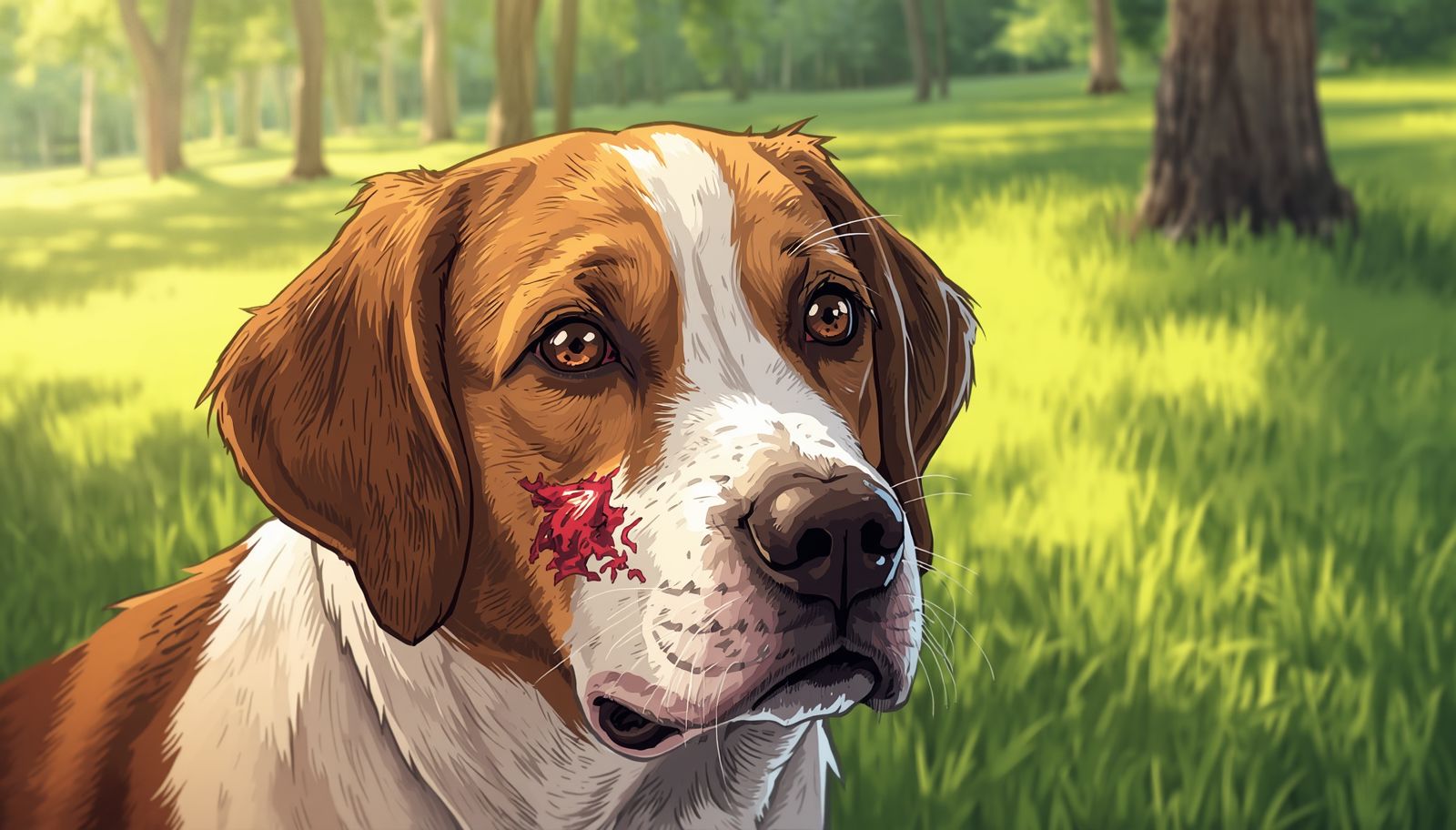
The dogs use their whiskers, or vibrissae, to navigate, sense the environment, and the slightest changes around them. The infection of a whisker may be painful and uncomfortable to your furry friend. It is crucial to know how to take care of an infected whisker to ensure the health and well-being of your dog. This guide will include causes, symptoms, home care hints, and when to visit a veterinarian.
What Are Dog Whiskers and Why Are They Important?
Dog whiskers are thick and specialized hair that is found on their muzzle, above the eyes and in some cases on the chin. Whiskers, unlike ordinary hair, are rooted in sensitive follicles, which are linked to nerves.
This enables dogs to:
- Sense objects around and motion.
- Detect changes in airflow and vibrations
- Protect themselves from injuries
Whiskers are so delicate that any harm or infection may be painful and may influence the capacity of your dog to interact with his or her surroundings safely.
Causes of Whisker Infections in Dogs
Whisker infections may occur because of a number of reasons:
1. Trauma or Injury
Dogs may accidentally scratch, bump, or pull a whisker, causing the follicle to become irritated. Even slight trauma will permit bacteria to penetrate and become infected.
2. Bacterial or Fungal Infection
Whisker follicles, similar to other skin areas, may be infected by bacteria or fungi. The risk can be augmented by poor hygiene, a compromised immune system, or underlying skin conditions.
3. Allergies or Irritation
Food allergies, environmental allergens, or chemical irritants (like shampoo or cleaning products) can inflame the whisker area, making it more prone to infection.
4. Foreign Objects
Plant material, small splinters or dirt may get lodged around the whisker follicle and provide an environment where infection can occur.
Signs of an Infected Whisker
Early detection of infection is important in preventing complications.
Common signs include:
- Swelling and redness in the area of the whisker follicle.
- Discharge or pus
- Foul odor
- Pain or sensitivity when touched
- Over scratching or rubbing of the area
- Whisker falling out or breaking
When you observe such symptoms, early treatment can help to avoid the transmission or further development of the infection.
How to Help Your Dog at Home
Wipe the Place
- Wash hands and then touch the face of your dog.
- Wipe with a soft cloth or cotton ball moistened in warm water or a mild antiseptic solution suggested by a vet.
- Gently dry off any debris or discharge around the whisker follicle.
Apply a Safe Topical Treatment
- Some antiseptic ointments, such as chlorhexidine, are safe in dogs and may be used to prevent bacterial growth.
- Do not use human drugs such as Neosporin without your veterinarian consent since some of them may be poisonous to dogs when consumed.
Prevent Scratching and Further Irritation
- Wear an Elizabethan collar (cone) to ensure that your dog does not scratch, rub or bite the infected part.
- Keep your dog quiet and distracted with toys or petting.
Maintain Hygiene
- Wash your dog face and ensure it is not dirty, has food particles or debris that may aggravate the infection.
- Do not use harsh shampoos or products around the area of the whiskers until the infection is healed.
When to See a Veterinarian
All infections of the whiskers cannot be treated at home.
Seek veterinary care if:
- The infection is spreading or increasing.
- It has severe swelling, bleeding, or pus.
- Your dog is suffering, not eating or lethargic.
- Home care fails to alleviate the situation in a few days.
A veterinarian can prescribe:
- Antibiotics or antifungal treatment of bacteria or fungi.
- Narcotic or anti-inflammatory drug to ease pain.
- Professional cleaning or drainage in case of severe infection.
- Early intervention will avoid permanent complications, scarring or loss of whiskers.
Tips for Preventing Whisker Infections
It is always better to prevent than cure.
The following are some of the steps that you can follow:
Regular Grooming
- Clean your dog and remove debris on its whiskers.
- Have long hair trimmed around the muzzle, but not the whiskers.
Healthy Diet
- Feed on a balanced diet with vitamins and minerals to keep the skin and coat healthy.
- Omega-3 fatty acids may be used to keep the skin barrier healthy and strong.
Avoid Irritants
Minimize contact with chemicals, soaps or environmental irritants that may inflame whisker follicles.
Routine Veterinary Checkups
Routine examinations enable your veterinarian to identify any early signs of skin or whisker problems before they develop into serious problems.
Can Whisker Infections Affect Your Dog’s Behavior?
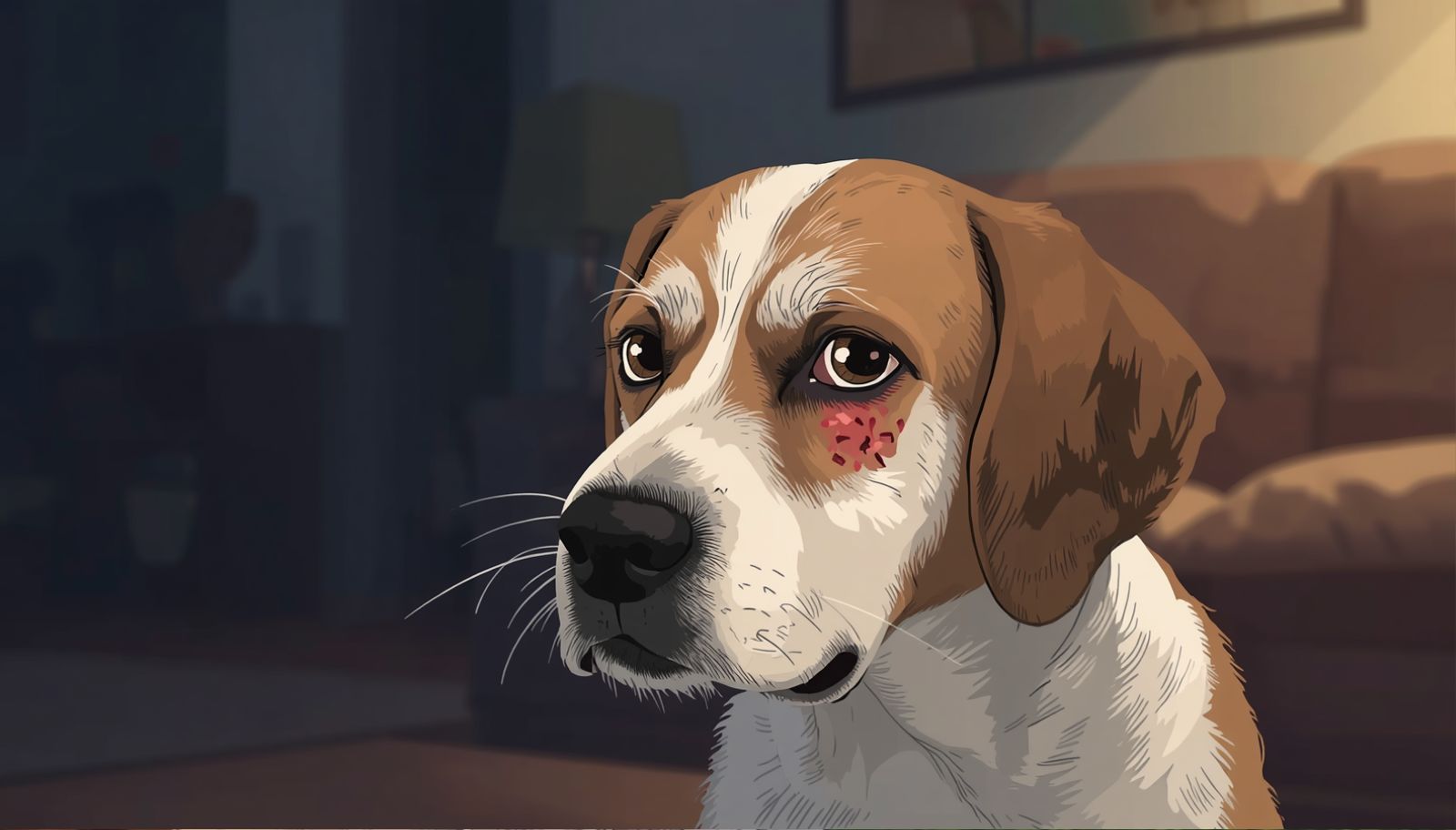
Yes, a contaminated whisker can lead to pain that can influence the mood or behavior of your dog:
- They can be not touched in the muzzle.
- Show irritability or aggression towards approach of the area.
- Be less interested in investigating their surroundings because sensitive.
Through early and cautious treatment of the infection, you can assist your dog to get back to normal behavior and comfort levels.
What might appear to be a minor issue is an infected whisker that can cause pain and discomfort to your dog. By providing early detection, mild domestic care, and expert veterinary support where necessary, you can ensure that your furry friend recovers fast and safely.
Key takeaways:
- Observe redness, swelling, discharge or pain around whiskers.
- Gently clean the area and use safe topical treatments.
- Avoid scratching and irritation.
- Consult the veterinary in case of severe or persistent infection.
- Prevention with grooming, diet and safe environment.
With proper vigilance and proactive measures, you can be sure that the whiskers of your dog are healthy, functional and pain-free.

Leave a Comment