
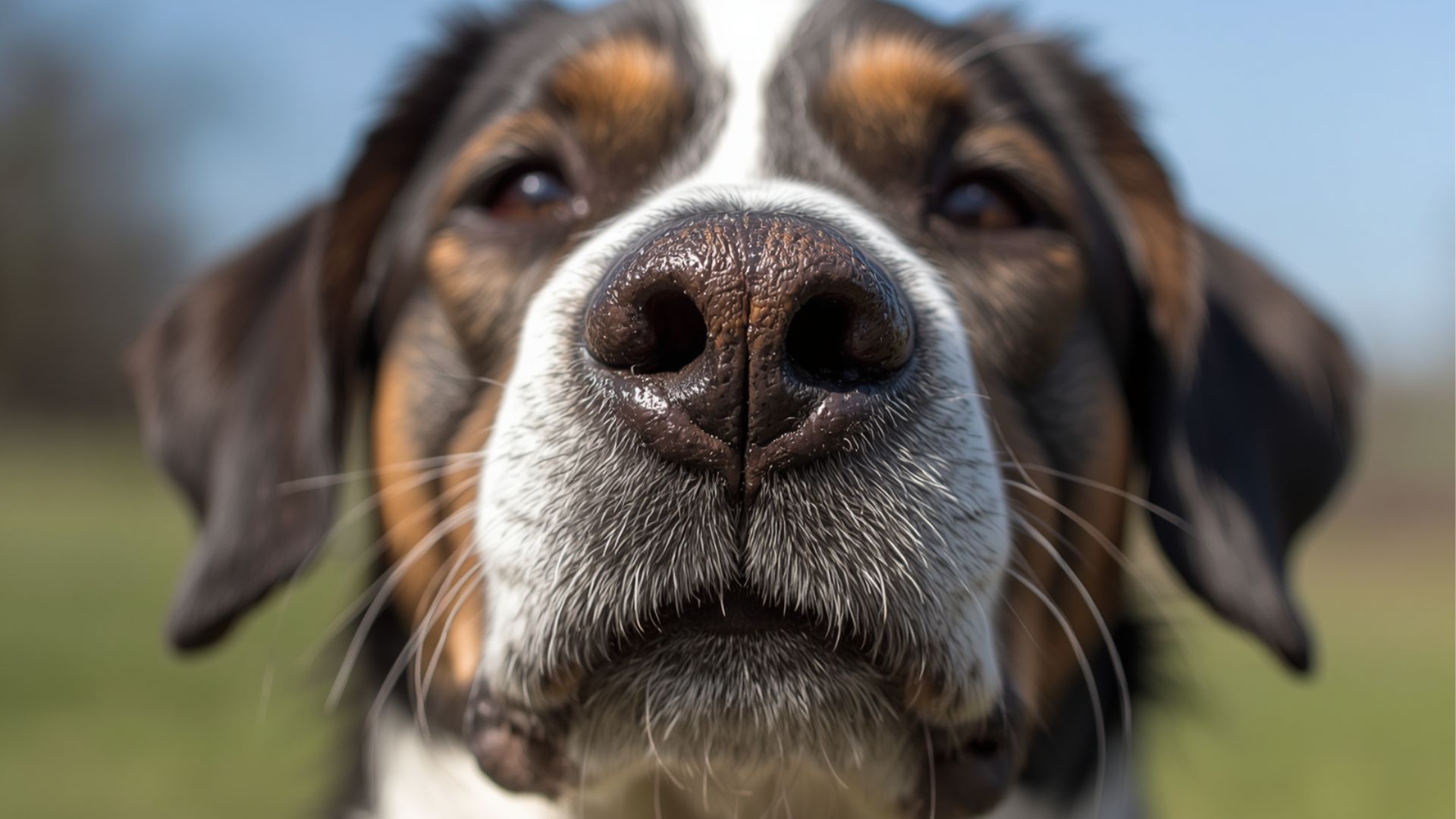
One of the first things that a pet owner notices about a dog is its nose. It is a common belief among many that a cold and wet nose always indicates a healthy dog and a dry nose is an indicator of sickness. However, that's not always true. There are a number of harmless causes of a dry nose, and in most instances, there is nothing to fret about.
The trick is to know when having a dry nose is normal and when it may be a sign of a health problem. This guide describes the typical causes of a dry dog nose, the symptoms to be aware of and when to see your veterinarian.
Quick Answer
Having a dry nose does not necessarily indicate a sick dog. Dogs may have a dry nose when they sleep, in the sun or in a warm indoor atmosphere. But, when the dryness is coupled with cracking, bleeding, discharge, fever, loss of appetite or abnormal behavior, you need veterinary consultation.
Why Does a Dog Have a Wet Nose?
The nose of a healthy dog is usually wet since it aids in enhancing their amazing sense of smell. The presence of moisture helps the scent particles to be trapped and this enables the dogs to smell better.
Dogs also lick their noses frequently and this keeps them moist and assists them to collect scent facts about the environment.
But the quantity of moisture on the nose of a dog is a natural variation of the day. It is quite normal that the nose of your dog may be wet today and dry the next day.
Common Reasons Your Dog's Nose May Be Dry
Your Dog Just Woke Up
One of the most common reasons for a dry nose is sleep.
While sleeping, dogs don't lick their noses as often, allowing the surface to dry temporarily. The nose tends to get wet again in a short period of time after waking up.
This is completely normal and isn't a cause for concern.
Hot or Dry Weather
The moisture in the nose is greatly influenced by environmental conditions.
Your dog may get dry in the nose when he/she spends time:
- Being in the direct sunlight.
- Close to heaters or fireplaces.
- In air-conditioned rooms
- On hot summer days.
- In low-humidity environments
When your dog calms down or gets into a more comfortable place the nose usually goes back to normal.
Mild Dehydration
The consumption of water influences the general hydration including the nose.
Your dog might have a slightly dry nose after a vigorous exercise or outdoor play, and has not had enough water.
Always have fresh and clean drinking water.
Other dehydration symptoms are:
- Dry gums
- Excessive panting
- Sunken eyes
- Reduced energy
- Thick saliva
When these symptoms occur in combination, then contact your veterinarian.
Aging
Older dogs usually have drier noses compared to younger dogs.
The skin of aging dogs is less moist, and occasional dryness is entirely normal.
The dry nose of an older dog is not usually a medical issue, unless other symptoms arise.
When a Dry Nose Could Signal a Health Problem
Even though most of the cases are harmless, chronic dryness with other signs can be signs of illness.
Fever
The dry nose is not sufficient to diagnose a fever.
Rather, be aware of such signs as:
- Lethargy
- Shivering
- Loss of appetite
- Warm ears
- Unusual tiredness
It is only a veterinarian who can determine whether your dog has a fever or not.
Allergies
Dogs can develop allergies to:
- Plastic food bowls
- Cleaning chemicals
- Grass
- Pollen
- Dust mites
- Certain foods
Allergic reactions can result in:
- Redness
- Dry skin
- Itching
- Swelling
- Frequent nose rubbing
Replacement with stainless steel bowls can be beneficial in case of contact allergies.
Autoimmune Diseases
Some autoimmune diseases may involve the nose that will lead to:
- Thick crusts
- Loss of skin pigment
- Painful cracks
- Bleeding
- Persistent sores
These disorders are to be diagnosed and treated by professionals.
Skin Disorders
There are certain skin illnesses which cause excessive dryness around the nose.
These include:
- Hyperkeratosis
- Fungal infections
- Bacterial infections
- Dermatitis
Complications and discomfort can be prevented with the help of veterinary treatment.
Signs That Mean You Should Contact a Veterinarian
It is more worrying when a dry nose is accompanied with other symptoms.
Take your dog to the veterinary in case of:
- Deep cracks
- Bleeding
- Thick crusts
- Yellow or green discharge.
- Swollen nose
- Difficulty breathing
- Loss of appetite
- Vomiting
- Diarrhea
- Persistent lethargy
- Fever
- Unhealing nose sores.
Early diagnosis can result in quicker recovery and improved outcomes.
How to Treat a Dry Dog Nose at Home?
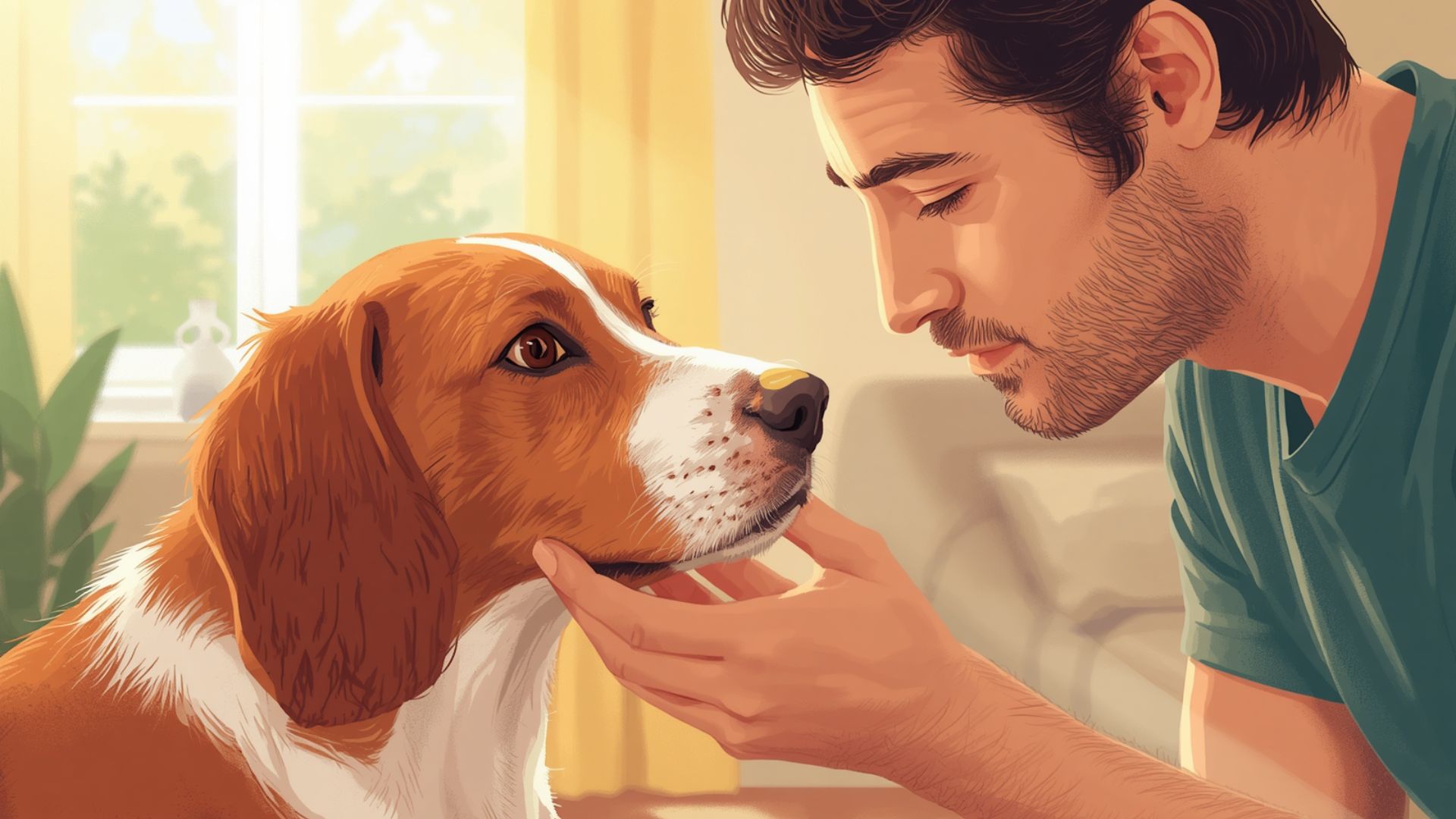
When your dog is otherwise healthy, there are a few safe methods of helping to make the nose comfortable.
Encourage Hydration
- Always have access to fresh water particularly in hot weather or after physical activities.
- Healthy skin and nose moisture is aided by proper hydration.
Reduce Sun Exposure
- Excessive sunshine may dry the nose of your dog.
- Shade outdoor activities and do not spend much time in the hottest times of the day.
Use a Humidifier
- Humidity can be minimized by indoor heating and air conditioning.
- Moistening the air can be beneficial to avoid over-drying, particularly in winter.
Use Nose Balms that are Vet-Approved
- Dog nose balms are specially formulated to calm down dry or cracked noses.
- Select products that are specifically created to be used on dogs since most human skincare products have ingredients that can be toxic when licked.
Never use any medicated product without consulting your veterinarian.
Frequently Asked Questions
Is it normal that the nose of my dog is dry after sleeping?
Yes. Dogs usually wake up with a dry nose since they have not been licking their noses when asleep.
Is it because of weather that the nose is dry?
Absolutely. Your dog may have its nose dried temporarily by heat, cold air, indoor heating and low humidity.
Is a broken nose harmful?
Small cracks can be a result of temporary dryness, whereas deep cracks, bleeding, or painful sores need to be investigated by a veterinarian.
Is it possible to have a dry nose due to dehydration?
Yes. Mild dehydration can cause nasal dryness, particularly following exercise or in hot conditions.
Am I to panic because the nose of my dog is dry?
No. A dry nose in itself is seldom an emergency. Keep an eye on the general health of your dog and see your veterinarian in case of any further symptoms or the dryness continues.

Leave a Comment