
Maintaining a healthy dog is not just about feeding, exercising and visiting the vet. A proper dog deworming schedule is one of the most significant aspects of preventive care. Dogs, particularly puppies, have intestinal worms, which can impact the health of your pet when not treated.
Digestive issues, weakness, loss of weight, and other health problems may be caused by parasites like roundworms, hookworms, tapeworms, and whipworms. Regular deworming will not only help keep your dog safe but also minimize chances of parasites being transmitted to humans.
This guide discusses the need to have dogs dewormed, the frequency of deworming puppies and adult dogs, the symptoms of worms, the treatment, and preventive measures.
What Is Dog Deworming?
Dog deworming refers to the process of eliminating internal parasites in the body of a dog using drugs that are approved by a veterinarian. These drugs are aimed at destroying the worms that inhabit the digestive system and prevent them to cause health issues.
Dogs may be infected by contaminated soil, infected animals, fleas, raw food or even by their mother during pregnancy or nursing.
Since not all parasites can lead to noticeable symptoms at first, frequent deworming is a significant aspect of preventive care.
Why Is Deworming Important for Dogs?
Dogs of any age may have intestinal worms, but puppies are particularly prone to this infection due to the development of the immune system.
Worms may lead to:
- Weak growth and loss of weight
- Digestive problems
- Nutritional deficiencies
- Anaemia
- Weakness and tiredness
- Reduced immunity
In extreme situations, the infestation of worms may be fatal, particularly in young puppies.
Deworming is also beneficial to humans since some parasites of dogs can be transmitted to people, especially children who might be exposed to infected soil or pet feces.
Types of Worms in Dogs
Learning about the various kinds of worms can assist pet owners to identify potential symptoms and give proper treatment.
Roundworms
One of the most common intestinal parasites in dogs is the roundworms. Before birth or during nursing, puppies are prone to infection by their mother.
They may result in symptoms like swollen belly, poor growth, vomiting, diarrhea, and worms in stool.
Hookworms
Hookworms cling to the intestinal wall and suck blood. They may be especially dangerous to puppies as they can lead to anemia and weakness.
Hookworm infection can be characterized by signs such as pale gums, low energy, weight loss, dark or bloody stools.
Tapeworms
Tapeworms are usually associated with flea infestation since dogs may be infected by ingesting infected fleas.
Small, rice-like segments around the stool or anus of the dog are a typical symptom of tapeworms.
Whipworms
Whipworms inhabit the large intestine and can lead to digestive problems. Infections may result in diarrhea, weight loss, and discomfort.
Puppy Deworming Schedule
The deworming schedule of puppies should be more frequent since they are extremely susceptible to parasites.
The typical puppy deworming schedule may consist of:
2 to 3 Weeks of Age
Initial deworming therapy is typically suggested at this point in time since puppies may be carriers of worms that their mother has.
Every 2 Weeks until 12 Weeks
During their early stages of growth, puppies are usually dewormed regularly to check the growth of parasites.
Around 3 to 6 Months
Following the first puppy phase, the rate of deworming can be varied based on the lifestyle of the puppy, risk factors, and the recommendation of the veterinarians.
Since each puppy is unique, your veterinarian will be able to develop the most appropriate schedule depending on the health status and environment.
Adult Dog Deworming Schedule
Even healthy adult dogs should be protected against parasites regularly.
The suggested schedule will be based on the following factors:
- Age
- Lifestyle
- Contact with other animals.
- Travel habits
- Local parasite risks
- Previous infection history
Deworming of many adult dogs is a common preventive measure that is performed every few months. Dogs that spend most of their time outside, hunt, attend dog parks, or have contact with numerous animals might need to be monitored more frequently.
Depending on the needs of your dog, your veterinarian can suggest the appropriate schedule.
Symptoms of Worms in Your Dog
Not all dogs with worms exhibit any symptoms and some might have apparent health alterations.
Common signs include:
- Diarrhea or vomiting
- Loss of weight with normal dieting.
- Bloated stomach
- Rolling on the floor.
- Worms in stool.
- Over licking of the rear area.
- Low energy
- Poor coat condition
In case you observe these symptoms, a stool test and veterinary examination might be required to determine the type of parasite.
How Do Dogs Get Worms?
There are various ways in which dogs can be infected with worms.
Polluted Soil and Faeces
Worm eggs can withstand the environment long periods. Dogs can be infected by sniffing, licking or eating contaminated materials.
Fleas
Tapeworm larvae can be carried by fleas. Dogs can be infected with tapeworm when they ingest infected fleas during grooming.
Infected Animals
Hunting dogs, those that chew on dead animals, and those that play with infected pets are at a greater risk of getting exposed to the parasites.
Mother-to-Puppy Transmission
Puppies may be infected by their mother during pregnancy or by nursing at birth.
How Is Deworming Treatment Given?
Deworming drugs are available in various forms such as:
- Oral tablets
- Chewable medications
- Liquid treatments
- Topical products
The kind of medicine is determined by the parasite that is being treated and the age, weight and health of your dog.
One should take the right dosage as prescribed by a veterinarian. Administering the wrong type of medication or a wrong quantity of the medication will not be effective in getting rid of the worms.
Can You Deworm a Dog at Home?
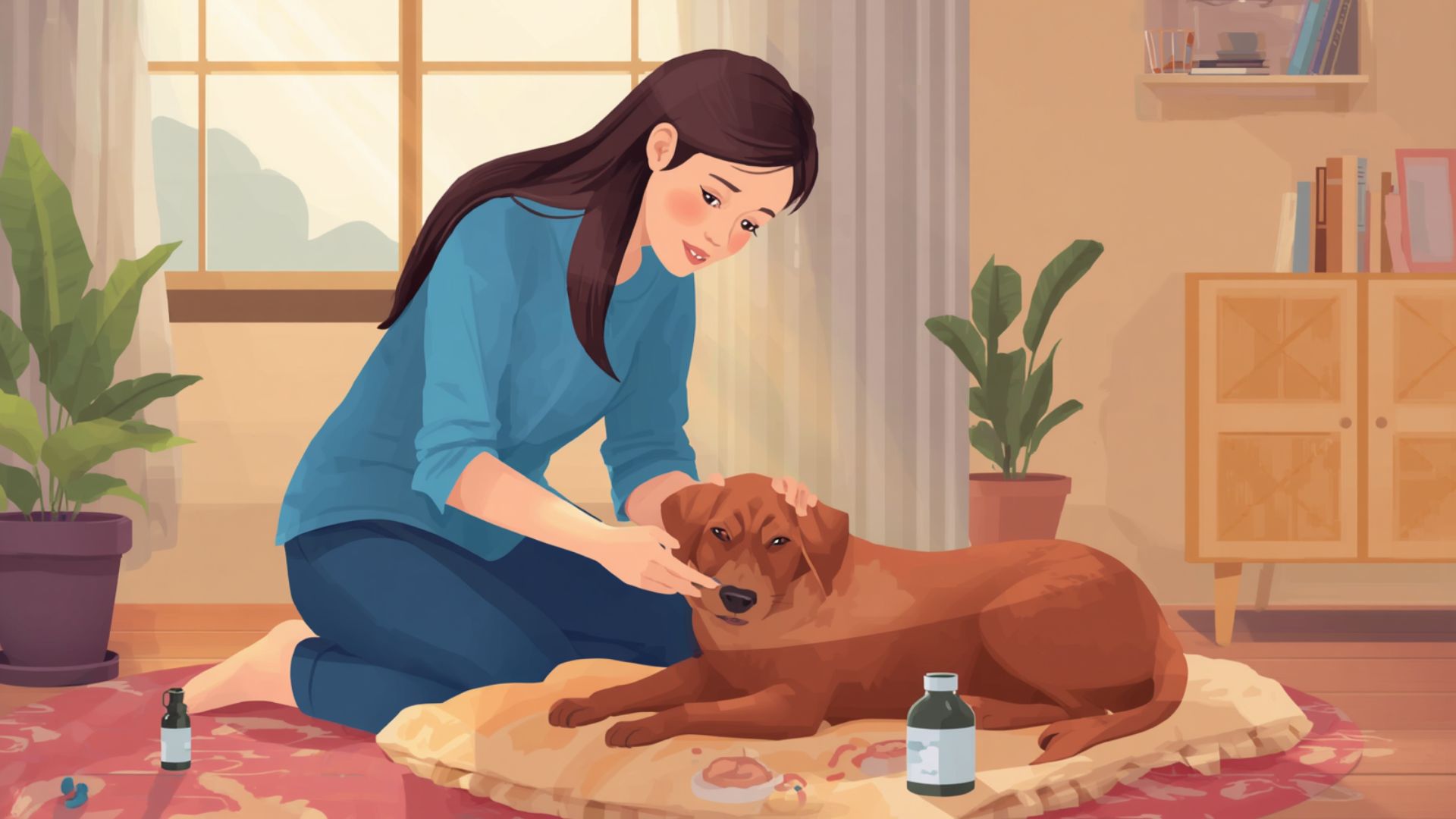
There are numerous deworming products in the market that can be used by pet owners, however, it may be difficult to select the appropriate treatment without understanding the kind of parasite.
The most effective medication can be prescribed by a veterinarian based on the symptoms, lifestyle, and potential exposure risks of your dog.
Periodic stool tests could also be prescribed to identify invisible parasites.
Tips to Prevent Worm Infections in Dogs
Simple preventative measures can be used along with regular deworming to minimize the risk of parasites.
Always keep hygiene by cleaning up after your dog and washing hands after touching pets or their items.
Manage infestations of control fleas since they can carry tapeworms. Do not leave your dog to eat something it does not know, dead animals, or contaminated materials outside.
Regular veterinary examinations and frequent screening of parasites also make it possible to identify issues at an early stage.









Leave a Comment