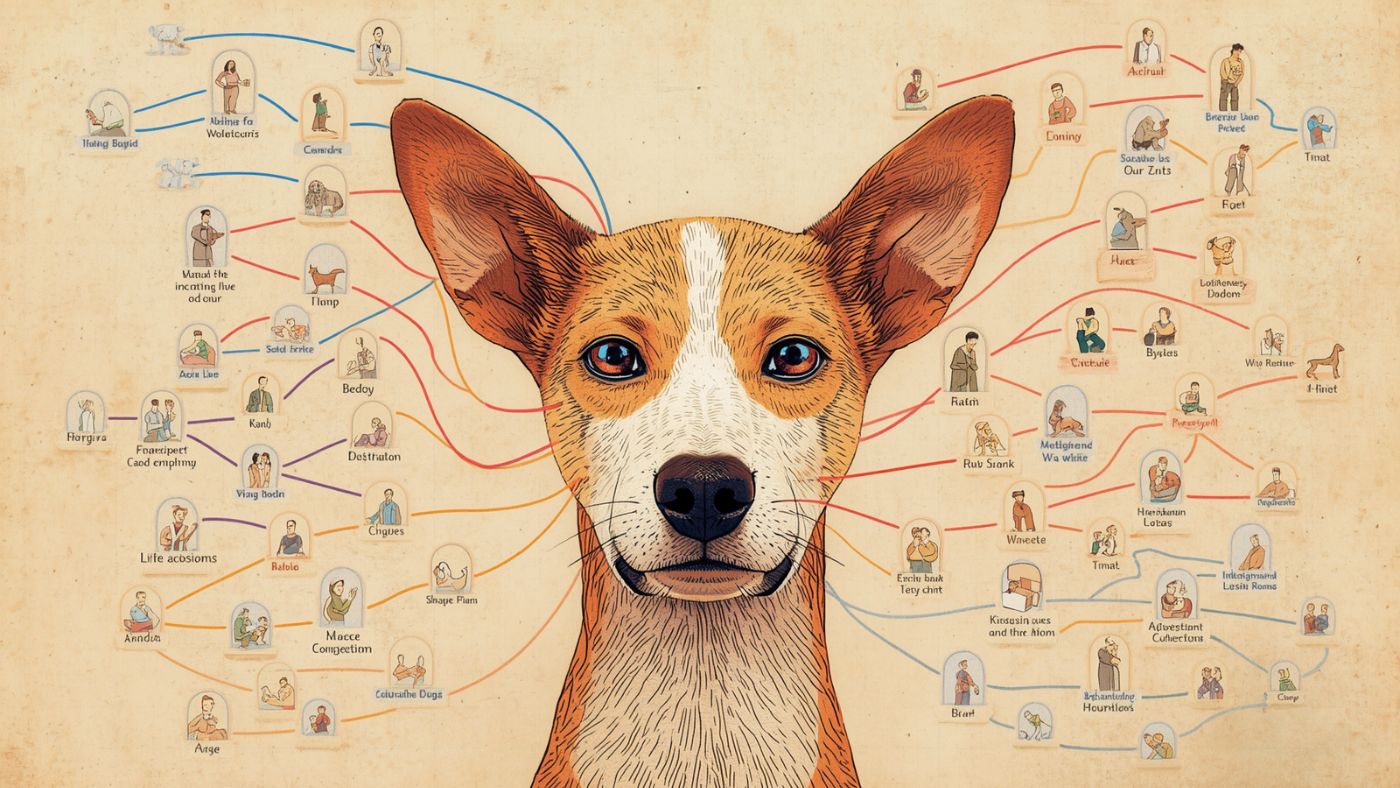
Dogs may not speak our language; they do communicate with us. Each tail wag, eye look and body stance reveals their emotions. Understanding your dog's body language is not only fascinating, it is crucial for building rapport, avoiding conflicts, and strengthening your relationship.
If you want to know what your dog is communicating to you, this article will help you read their (subtle) body signals.
Why Dog Body Language Matters
A lot of the time, dog owners use loud vocalizations or overt expressions to figure out what their pet is trying to say. However, dogs are more likely to use body language to communicate. By the time they snap, they've probably already given a number of lower-intensity warnings.
Knowing the body language allows you to:
- Prevent bites or aggressive reactions
- Identify stress and anxiety
- Improve training and communication
- Build trust and rapport
Once you begin to pick up on these cues, you'll find your dog has been “speaking” to you all this time – you just didn't understand.
The Tail: Wagging and More
Wagging doesn't necessarily mean “happy”. Many factors are important, including how high, fast and rigid the wag is.
A loose, medium wag indicates a friendly, happy dog. A loose and low wag might mean your dog feels social. However, a stiff, upright wag could mean they're alert or even aroused. Many people think that a wag means a dog is happy – but it can mean it's nervous.
Submission and fear are communicated by a tucked tail. If your dog tucks his or her tail between their legs, they may be feeling defensive.
Pay attention to context. A dog greeting a stranger with a rigid, erect tail is different to one greeting you at the door with a floppy tail.
Ears and Eyes: Expression of Feeling
You can tell how your dog's feeling on their face, particularly with their ears and eyes.
Ears
When dogs have erect ears, to the side when relaxed, and forward when alert and interested. If their ears are at rest, they will flop to the sides. Ears pulled back may be a sign of fear, anxiety or submission, but can also indicate excitement (particularly if the tail is wagging).
Eyes
Relaxed eyes mean the dog is relaxed. They may even squint slightly!
Dilated eyes, also referred to as “whale eye” (when you can see the whites), are a sign of stress or discomfort. This might indicate that your dog doesn't feel safe in the situation.
Stare directly, with hard eyes, can be a challenge or show stress, such as when two dogs don't know each other. But avoiding eye contact can prove subservient or scared.
Being able to read these facial expressions can help you defuse potential problems.
Posture Speaks Volumes
Your dog's body posture is a good way to tell how they are feeling.
When a dog is calm, it will have a normal posture. They will be balanced and their movements fluid. You will see this posture when your dog is at ease, at home or on a walk.
If your dog is tense, their body will be stiff. The dog could be feeling alert, confused or about to react. When this happens, it's a good idea to evaluate the situation and move away if necessary.
When a dog is low to the ground, it typically means they're afraid or submissive. This can happen when a dog feels intimidated or afraid.
Conversely, when dogs stand upright with their weight forward, they may be feeling dominant or confident. As always, it depends on the context – this may occur in play or in more serious encounters.
Play has a distinct posture as well: the “play bow” which involves putting the front legs down and the back end up. This body posture translates to, “Let's play together!”
Signs of Stress and Anxiety
There are many signs a dog is stressed, even before it becomes apparent. If you pick up on these signs, you can address them and calm your dog down.
Signs of stress include:
- Licking or flicking their tongue
- Yawning when not tired
- Turning their head away
- Suddenly sniffing or scratching
- Panting without exerting themselves
These are sometimes referred to as “calming signals”. They are used to calm themselves or other dogs.
When a dog displays several stress signals, it's a sign they are feeling stressed. For instance, a dog looking away, licking its lips and moving back is seeking distance.
Not respecting these can result in more serious signals, like growling or biting. Acknowledging them fosters a bond of trust and mutual understanding.
Understanding Friendly vs. Aggressive Signals
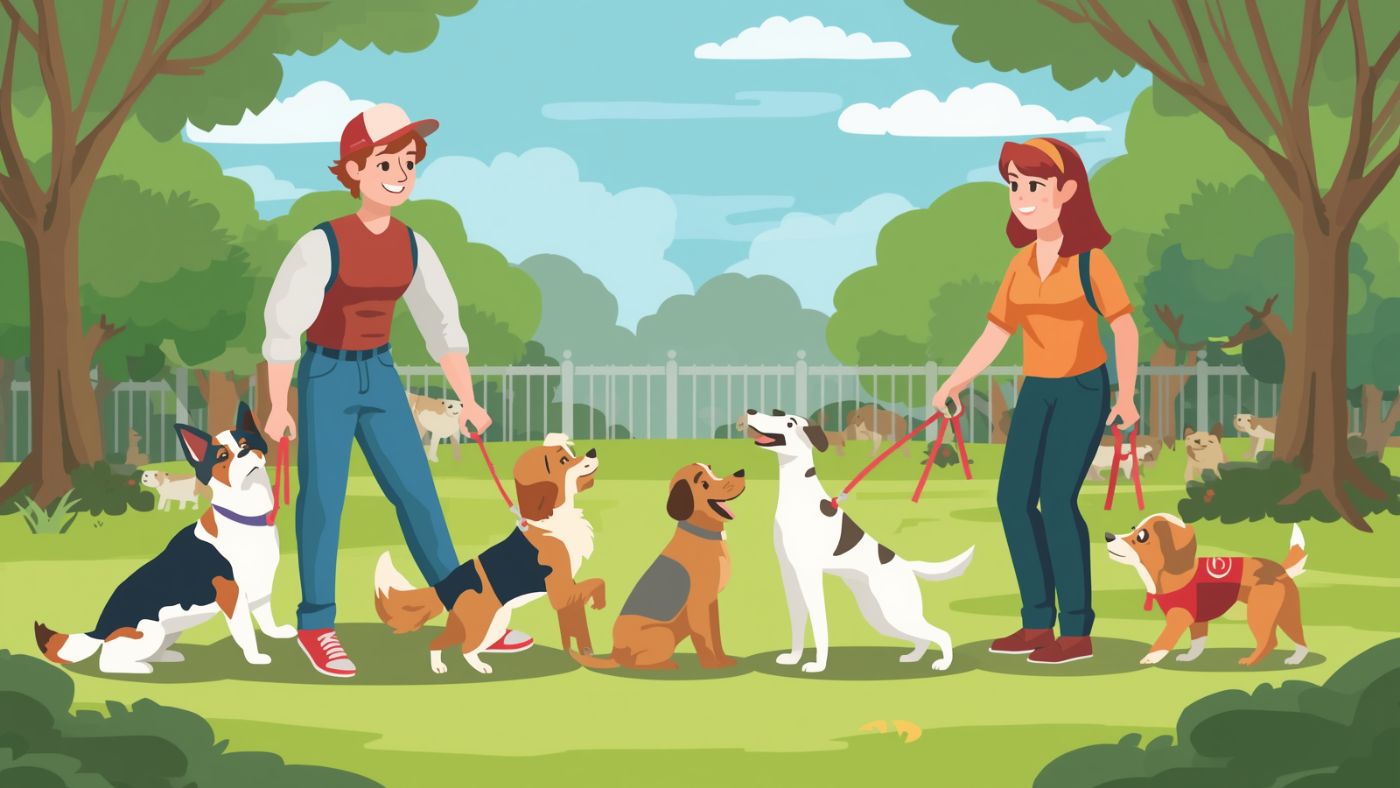
It's crucial to be able to tell when a dog is being friendly and when it's on-edge and defensive.
A friendly dog has:
- A loose, wiggly body
- A relaxed face
- A mid- to high-held tail
- Playful movements
An aggressive or frightened dog may:
- A stiff, tense body
- Pricked ears and raised hair (hackles)
- A fixed stare
- Growling or baring teeth
All aggressive behaviours do not equal a desire to bite. These behaviours are often warning signs to move away. The dog is telling you, “I'm not happy, leave me alone”.
Scolding and punishing a dog for growling is counterproductive. It will cause them to skip the warning next time and bite out of the blue.
Improving Your Relationship Through Awareness
Learning your dog's body language is not about remembering all of the signals, it's about being observant. Each dog is different and their individual personality affects their behaviour.
Observe your dog in a variety of situations:
- What do they do when they're happy?
- What do they do when they’re confused?
- How do they respond to unfamiliar situations or people?
The more you watch, the more you'll learn. You'll pick up on subtle shifts in their behaviour.
As a result, you can respond in a way that will reassure your dog. Whether you decide to leave them alone or pet them, or play with them, your reaction is more appropriate to their needs.
Dogs are always talking to us – it's just not verbal. Understanding their body language can help you build a stronger connection.
Observe the subtleties: tail position, ear movements, muscle tension. These cues can tell you how your dog is feeling and what he may do next.
When you can interpret your dog's body language, you're not only a good owner – you become a friend. After all, trust is priceless to your dog.








Leave a Comment