

It is heartbreaking and puzzling to find a dog wandering alone. You might be asking yourself whether the dog is really lost, abandoned or just roaming around the neighborhood. Although you might want to bring the dog home the first thing to do is to be cautious so that you are safe and the dog is not in danger.
Remaining calm, identifying, and calling the appropriate organizations can make a huge impact in reuniting a lost pet with its owner.
This is the guide on what to do in case you have discovered a lost or stray dog in the course of responsible and humane practices.
How to Tell if a Dog Is Lost or Stray
Not all dogs roaming alone are homeless. Other dogs run out of their yard, out of their collars or lose their owners in walks.
A dog can be lost when it:
- Looks neat and tidy.
- Is wearing a collar or harness
- Appears to be outgoing and sociable.
- Appears disoriented or nervous.
- Stays close to roads or homes
A dog that is stray may:
- Wear soiled or shaggy hair.
- Be underweight
- Avoid people
- Show signs of living outdoors for a long time
- Have no collar or identification
Although a dog may seem to be wandering, it is not advisable to think that it has no owner.
Stay Calm and Keep Yourself Safe
Consider safety before going up to an unknown dog.
Even friendly dogs may get scared when they are lost. An animal that is scared might bark, growl or bite when it feels threatened.
When approaching the dog:
- Talk in a low and soothing voice.
- Avoid sudden movements.
- Do not run after the dog.
- Kneel instead of standing over it.
- Have the dog come to you, where possible.
- Do not look directly at the dog, as it can be perceived as an aggression.
When the dog seems aggressive or hurt, maintain a distance and call the local animal control or a rescue group to help.
Secure the Dog Safely
In case the dog does not run off, make an attempt to ensure it does not run into the traffic or get lost once more.
If available, use:
- A spare leash
- A slip lead
- A rope or long piece of fabric in an emergency
Do not tie a leash too tight around the neck of the dog or drag the animal.
In case you are not able to safely secure the dog, keep watching and calling in the animal services in the area.
Check for Identification
The quickest way to reunite a dog with its owner is through identification.
Look for:
- Name tags
- Phone numbers
- Address tags
- License tags
- Rabies vaccination tags
In case the collar has contact details, call the owner.
Numerous owners are frantically scanning the area and can frequently be on the scene within minutes.
Have the Dog Scanned for a Microchip
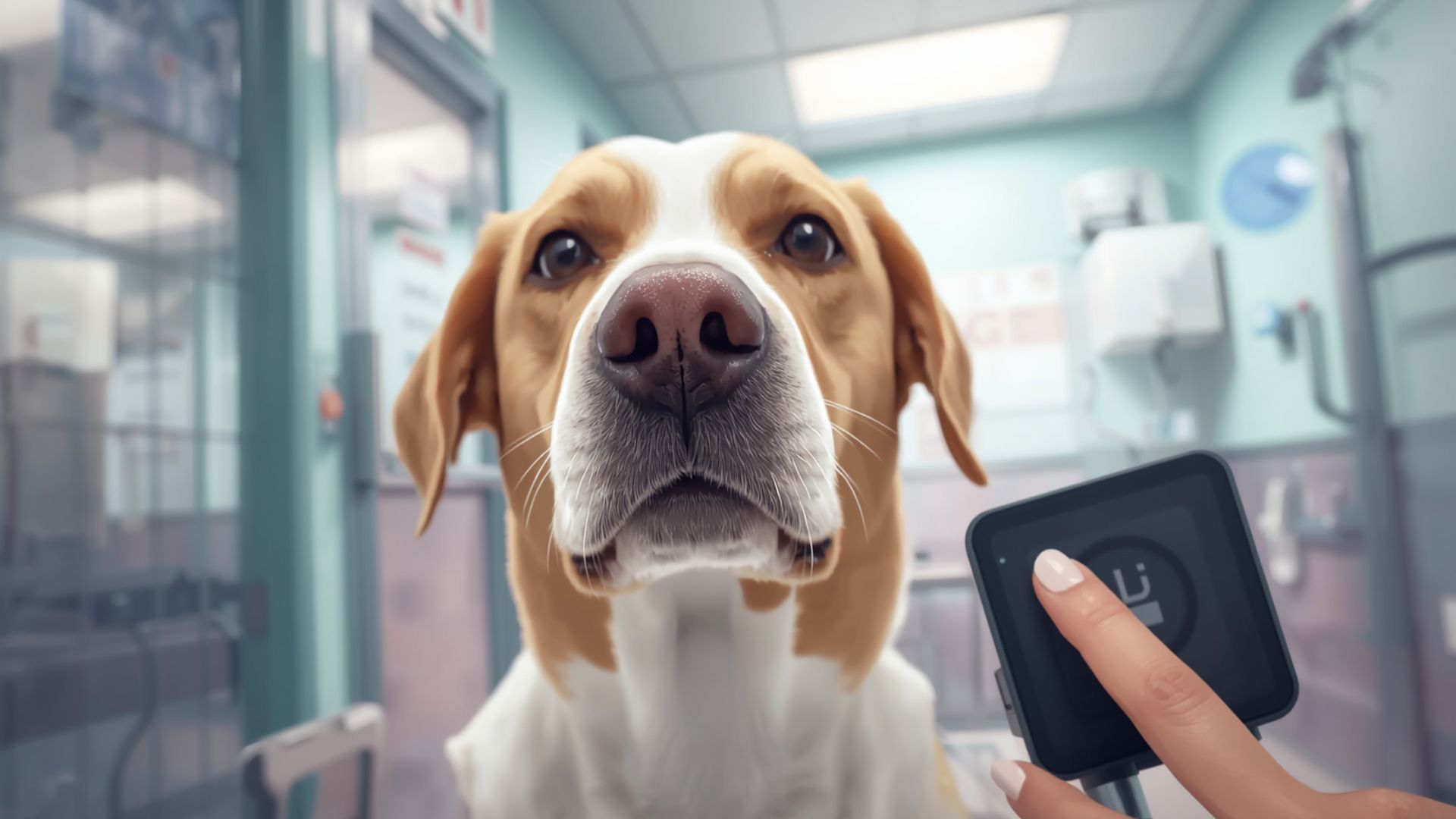
In case of no visible identification, the second step is to examine the presence of a microchip.
A dog can be scanned at no cost in most animal shelters, animal rescue organizations and veterinary clinics.
A microchip has a distinctive identification number that would assist in tracking down the registered owner.
Remember the microchip database can only be accessed by authorized personnel who will be able to get the contact information of the owner.
Provide Temporary Care
In case the dog seems to be healthy and you can safely keep it a little bit, give it some basic care and find the owner.
Offer:
- Fresh drinking water
- A peaceful, safe sleeping place.
- Shade if outdoors
- Little dog food portions in case the dog appears hungry.
Avoid giving:
- Chocolate
- Grapes
- Raisins
- Onions
- Garlic
- Cooked bones
- Human foods that can upset stomach
In case the dog seems to be seriously injured or sick, call a veterinarian.
Report Found Dog
The notification of local authorities and organizations is one of the most significant steps.
Contact:
- Animal control services
- Local animal shelters
- Veterinary clinics
- Humane societies
- Nearby rescue groups
Provide:
- Location of the dog.
- Date and time
- Breed (if known)
- Approximate size
- Coat color
- Collar description
- Any unique markings
These organizations are the first to be checked by many owners when they want to find their lost pets.
Share the Good News in Your Community
With the help of modern technology, reuniting with lost pets has never been easier.
Provide transparent information on:
- Local community social media groups.
- Neighborhood forums
- Lost pet websites
- Community bulletin boards
Include:
- Clear photos
- General location where you found it
- Date found
- Basic description
Do not disclose all the identifying information. Anyone who claims to own one must explain distinctive markings or give pictures to prove that the dog is theirs.
Watch for Signs of Illness or Injury
While caring for the dog, monitor its condition.
Visit the veterinarian in case of:
- Heavy bleeding
- Difficulty breathing
- Broken bones
- Severe limping
- Vomiting
- Diarrhea
- Extreme weakness
- Signs of dehydration
- Difficulty standing
Quick treatment will significantly enhance the recovery of the dog.
Should You Bathe the Dog?
Unless the dog is covered in harmful substances or chemicals, avoid bathing it immediately.
Bathing may:
- Wash away, scents the owner might know.
- Eradicate traces of recent habitation.
- Cause unnecessary stress
Before making significant alterations to the appearance of the dog, first find the owner.
Can You Keep the Dog?
In most places, there are legal channels of reporting found animals prior to the transfer of ownership.
Adhere to local laws on:
- Mandatory holding periods
- Shelter reporting requirements
- Ownership claims
In case the owner is not found within the stipulated time frame, adoption can be considered with the help of the relevant authorities.
Frequently Asked Questions
What in case the dog is not collared?
A collar isn't the only form of identification. Many pets have microchips that can be scanned by a veterinarian or animal shelter.
Is it possible to leave the dog overnight?
As long as it is safe and legal in your area, you can offer temporary shelter and report the discovered dog and look for the owner.
What should happen in case no one takes the dog?
In the event that no owner is located within the legally mandated holding period, the dog can be put up to be adopted by a shelter or rescue organization.
Should I give a starving stray dog to eat?
Yes, if you can do so safely. Give fresh water and a little dog food. Do not feed human food or offer huge meals, particularly when the dog is seen to be malnourished.









Leave a Comment