

Shih Tzus are characterized by their cute look, small size, playful and loving nature. A lot of new owners are asking themselves when the Shih Tzu puppies cease growing and when they will be fully grown to their adult size.
Learning the stages of growth of your Shih Tzu can enable you to give the appropriate nutrition, exercise, grooming and health care at each stage of its development. Despite being a small breed, Shih Tzus do not pass through growth without significant physical and behavioral changes that all their owners must be aware of.
Quick Answer: When Do Shih Tzu Puppies Stop Growing?
The majority of Shih Tzu puppies cease to grow at the age of 10-12 months. Most Shih Tzus are their full adult size and most of their final weight by the time they are a year old.
Nevertheless, other Shih Tzus might still grow muscle, acquire some weight and mature mentally until they are approximately 18 months of age.
The growth may be different based on the genetics, diet, health and activity levels.
Shih Tzu Growth Timeline: Puppy to Adult
The knowledge of the various growth periods can assist you in monitoring the growth of your puppy and what changes are normal.
Birth to 8 Weeks: Early Development Stage
Shih Tzu puppies grow very fast during the initial few weeks of their life and they are totally reliant on their mother to provide nourishment and protection.
Significant changes at this phase are:
- Opening their ears and eyes.
- Learning to walk
- Developing social skills
- Start to investigate the world around them.
Shih Tzu puppies are normally prepared to move into their new families at the age of about 8 weeks.
2 to 4 Months: Rapid Growth Period
It is a period of rapid growth of a Shih Tzu puppy. During this time, puppies develop quickly both physically and mentally.
Owners may notice:
- Increased energy levels
- Teething behavior
- Learning basic commands
- Developing personality traits
It is important to feed a puppy properly at this stage since their bodies need balanced nutrients to aid healthy growth of bones and muscles.
4 to 8 Months: Adolescent Growth Stage
Four to eight months Shih Tzu puppies are still growing but at a slower pace than during the first few months.
At this phase they can:
- Become more independent
- Test boundaries
- Form adult coats.
- Improve coordination
It is also an opportune moment to concentrate on training, socialization, and development of healthy habits.
8 to 12 Months: Nearing Adult Size
The majority of Shih Tzus are almost at their final size at this age.
Their development tends to slow down, and the owners can observe:
- Less dramatic changes in weight.
- A more specific body shape.
- Increased confidence
- Adult-like behavior
Majority of Shih Tzus are fully grown in terms of height and weight at the age of 12 months.
12 to 18 Months: Final Maturity Stage
Even though physical development is largely achieved after a year, there are Shih Tzus that keep on growing.
During this stage:
- Muscles are developed.
- Personality is stabilized.
- The energy levels can be more predictable.
- Adult behaviors are formed.
This is the time of year when one should pay great attention to a healthy lifestyle and proper nutrition and exercise.
How Big Do Shih Tzus Get?
Shih Tzus are regarded as a small toy breed among adults.
A full-grown Shih Tzu is on average:
Height: 8-11 inches at the shoulder.
Weight: 9 to 16 pounds
But size may differ according to genetics. There is also some Shih Tzus that are a bit smaller or bigger, but still healthy.
The size of the parents is usually the most accurate measure of the size of a puppy that can be.
Factors That Affect Shih Tzu Growth
All Shih Tzu puppies develop at varying rates. Their ultimate size and development depend on a number of factors.
Genetics
The largest factor that determines the size of your Shih Tzu as an adult is genetics.
A puppy with smaller parents will be smaller, whereas puppies with larger Shih Tzus will be on the larger end of the normal size range of the breed.
Nutrition
A balanced diet is essential for healthy growth.
The food that Shih Tzu puppies require is one that supplies:
- High-quality protein
- Essential minerals and vitamins.
- Healthy fats
- Proper calorie levels
Excessive weight gain may occur due to overfeeding and healthy development may be affected by underfeeding.
Exercise and Activity
Shih Tzus are small dogs; however, they require regular activity.
Exercise that is age appropriate can aid:
- Healthy muscles
- Strong bones
- Proper weight management
- Mental stimulation
During puppyhood, avoid over jumping or vigorous exercise due to the fact that small breeds are likely to have joint and bone issues.
Health Conditions
Growth and development can be impacted by some health problems.
The most common issues with small breeds are:
- Dental problems
- Joint issues
- Digestive sensitivities
- Weight-related concerns
Taking your puppy to the veterinary regularly will help in making sure that it is developing well.
Signs Your Shih Tzu Has Finished Growing
To determine when your Shih Tzu has grown to adult size, you can generally tell when:
Stable Weight
When the weight of your puppy has not changed in a few months, then your puppy is probably near its final size.
Reduced Physical Changes
The growth is less pronounced and their body proportions seem more balanced.
Adult Coat Development
The adult coat of Shih Tzus is developed gradually, and may be fuller and thicker in adulthood.
Behavioral Maturity
Shih Tzus are generally more predictable and calmer than when they are puppies.
How to Support Healthy Growth in Your Shih Tzu Puppy
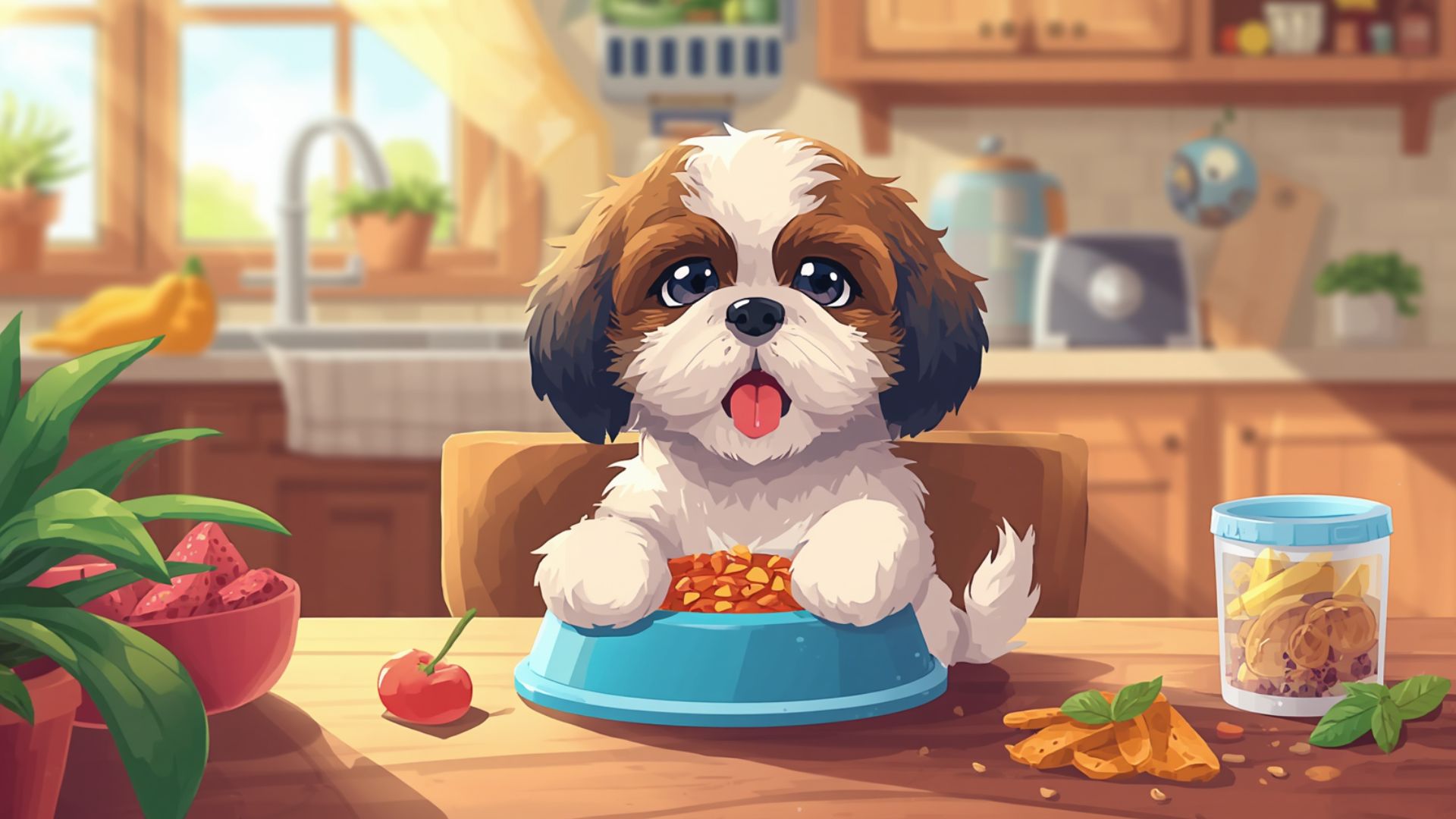
To ensure that your Shih Tzu grows well, it is important to take good care of it.
Provide a Balanced Puppy Diet
Select good puppy food that is small breeds. Limit too much of the treats and human foods that can lead to unhealthy weight gain.
Schedule Regular Vet Visits
Veterinary checkups assist in monitoring:
- Weight
- Growth patterns
- Vaccinations
- Overall health
Maintain Proper Grooming
Shih Tzus are long and thick-haired and need to be groomed frequently. Good coat care helps to keep the skin comfortable and avoid skin issues.
Focus on Training and Socialization
Physical growth is not as significant as mental development. Early socialization and positive training can be used to produce a confident adult dog.






Leave a Comment