
The urination patterns of a dog are a significant indicator of the health of the dog. When a dog suddenly stops urinating or has difficulty urinating, the reason may be mild stress or a severe medical condition. The question many pet owners might ask themselves is, why is my dog not peeing or how long can a dog go without peeing?
Although there might be occasional changes in bathroom habits, a dog that cannot pee normally should not be overlooked. Urination aids in eliminating waste materials in the body and the right balance of fluids. In case the urine is not able to exit the body, it can cause pain, bladder issues, and even threatening complications.
This guide includes the typical reasons why a dog does not pee, potential risks, available treatment, and the need to see a veterinarian.
How Long Can a Dog Go Without Peeing?
A dog retention of urine depends on age, size, health status, level of activity, and consumption of water.
The average healthy adult dog normally requires to urinate every 6-8 hours, though some may have longer urination intervals. Puppies tend to urinate more frequently since their bladder control is not yet fully developed, whereas old dogs may have alterations in their urination due to age-related health problems.
When a dog has not urinated in 12 hours or more, it can be a cause of concern. A dog that keeps on attempting to pee but fails to pass urine might be having a medical emergency.
Common Causes of a Dog Not Peeing
A dog may cease to urinate or have problems passing urine due to several conditions. It is crucial to determine the cause since the treatment is based on the underlying problem.
Urinary Tract Infection (UTI)
A urinary tract infection is one of the most common reasons for changes in a dog’s urination. The bacteria may lead to inflammation and irritation of the urine system and the dog may find it difficult to pee.
UTI symptoms may include frequent urination, passing small urine volumes, licking of the urinary tract, urine with a strong smell or pain during urination.
Urinary Blockage
A urinary blockage occurs when the urine is unable to leave the bladder due to something. This can be caused by bladder stones, crystals, inflammation or other obstructions.
Blocked urinary system is a severe disease as urine keeps on accumulating in the bladder as the body accumulates waste products.
In case your dog cannot urinate, you need to go to the veterinary immediately.
Bladder Stones
Bladder stones are mineral deposits that grow within the bladder. They may inflame the bladder lining and cause pain or difficulty in urinating.
Bladder stones in dogs can cause them to urinate more often, strain during urination, exhibit discomfort, or have blood in their urine.
Therapy varies with the size and the type of stones. Certain ones can be treated by special diets or medication, and some can be removed by surgery.
Dehydration
A thirsty dog can also produce less urine due to the attempt of the body to save the fluids. Dehydration may occur as a result of hot weather, sickness, decreased water consumption, or excessive physical activity.
Dehydration symptoms include fatigue, dry gums, lack of appetite, and less urination.
Pain, Trauma, or Movement Disabilities
Other dogs do not urinate due to the discomfort of movement or positioning. Arthritic dogs or those that have suffered injuries might not be able to walk or squat.
The underlying pain or mobility problem can be treated and this may be useful in improving their regular bathroom routine.
Stress and Anxiety
The urination habits of a dog can also be influenced by emotional stress. Some dogs might withhold urine due to changes like relocation to a new house, traveling, noises, or new environment.
Issues that are caused by stress are normally temporary, however when your dog keeps on refusing to pee, a visit to the veterinary is advisable.
Signs Your Dog Is Having Trouble Peeing
A dog with urinary issues can have various warning signs.
The following symptoms are to be observed:
- Attempting to urinate with no success.
- Difficulty in urinating or crying.
- Over licking around the urinary tract.
- Blood in urine
- Loss of appetite
- Vomiting or weakness
- Fidgeting or fussiness.
A dog that is attempting to urinate but fails to do so should be considered an emergency.
What To Do If Your Dog Is Not Peeing
When your dog does not need to go to the restroom yet appears perfectly fine, make sure to check the simple things first. Ensure that there are fresh water and a comfortable area where your dog can urinate.
Do not administer human drugs or make home treatments without veterinary consultation.
Call a veterinarian if your dog:
- Is unable to urinate despite frequent efforts.
- Experiences pain.
- Not urinated in a long time.
- Feels weak, fatigued or begins to vomit.
Complications can be avoided by early diagnosis and recovery can be enhanced.
How Veterinarians Diagnose Urination Problems
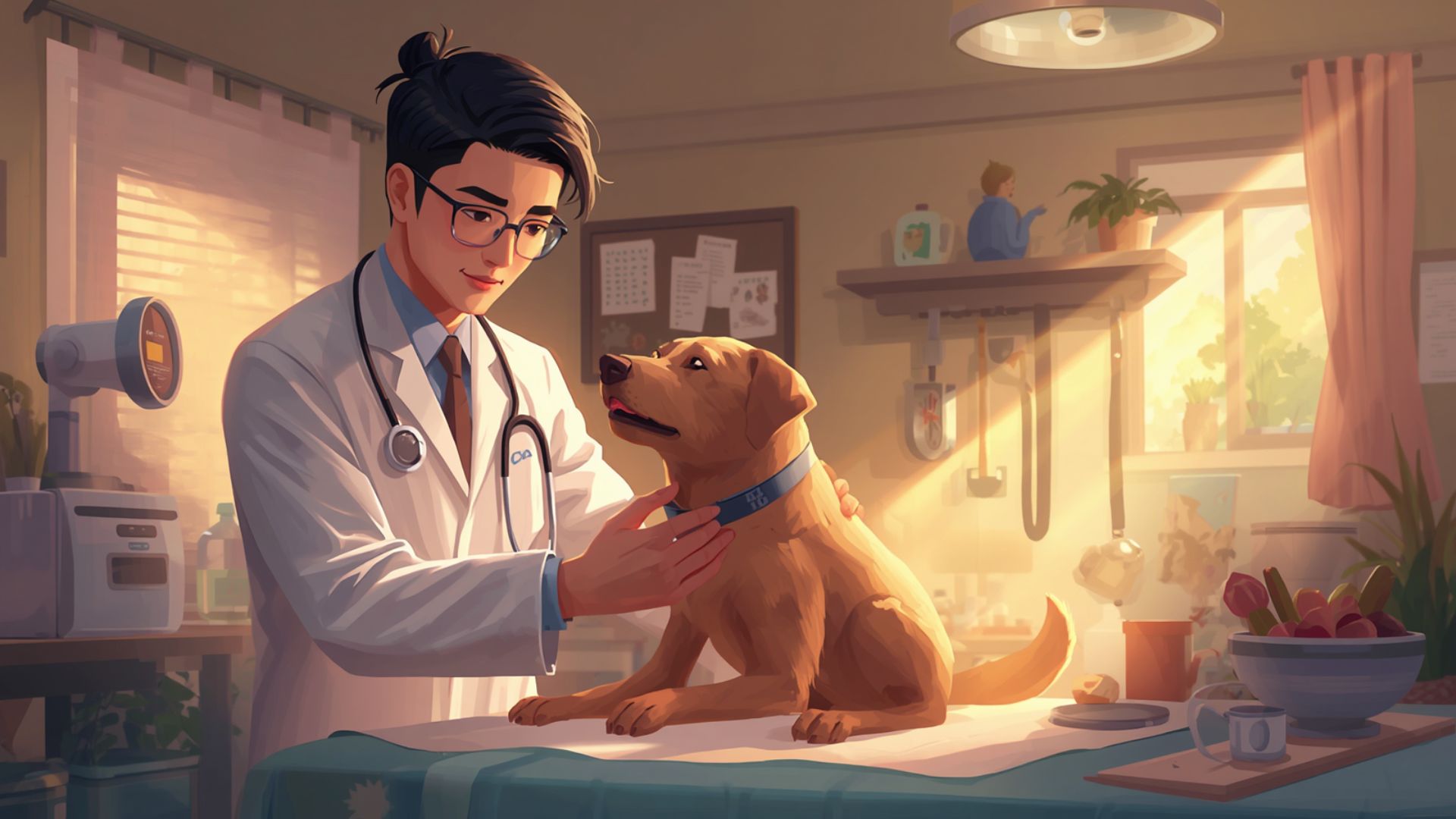
A veterinarian will typically start with a physical examination and inquire about the symptoms of your dog, his or her diet, water consumption, and any changes in behavior.
Diagnostic tests can involve:
Urine Testing
A urinalysis is able to detect infections, blood, crystals and other abnormalities.
Blood Tests
Blood tests are used to assess the performance of kidneys and detect potential infections or other health issues.
Imaging Tests
X-rays or ultrasound can be used to detect bladder stones, blockages or other internal issues. Dogs that are unable to pee can be treated in the following ways.
Treatment Options for Dogs That Cannot Pee
In the case of infections, the veterinarian can prescribe medication and supportive care. Depending on the severity, bladder stones can be treated by dietary modifications, medications, or surgery.
Emergency treatment can also be needed in instances of urinary blockage to resume urine flow and avoid damage to the kidneys.
Depending on the diagnosis, pain relief, fluid therapy and lifestyle adjustments may be advised.
How To Prevent Urinary Problems in Dogs
Though prevention of all urinary problems is not possible, healthy lifestyle can decrease the risk.
Give clean drinking water, take frequent bathroom breaks and do not keep your dog urinate long.
Urinary health is also supported by a healthy diet, exercise, weight control, and frequent visits to the veterinary.
Above all, observe the changes in normal bathroom habits of your dog. A diagnosis can simplify and enhance treatment.





Leave a Comment